What is Thiamine?
Thiamine, also known as vitamin B1, is a water-soluble vitamin with the CAS number 59-43-8. It is an essential micronutrient required for proper metabolic function, energy production, and nerve function in humans. Thiamine serves as a coenzyme in carbohydrate metabolism and is critical for converting glucose into energy. The compound is naturally present in foods such as pork, fortified grains, legumes, seeds, and nuts. As a food additive, thiamine is synthetically produced and added to various food products to enhance nutritional profiles and support public health.
Common Uses
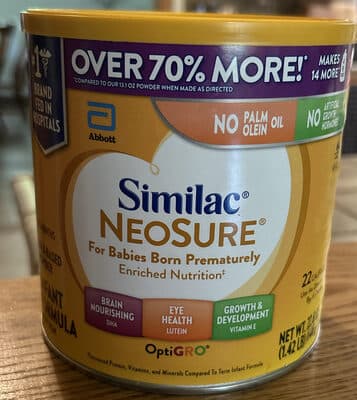
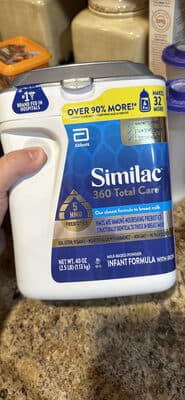
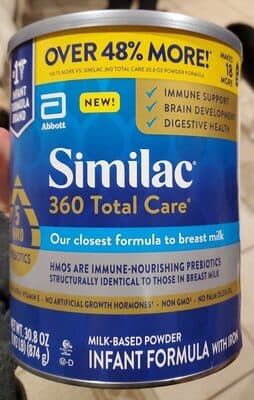
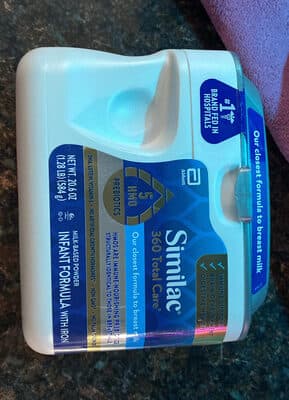
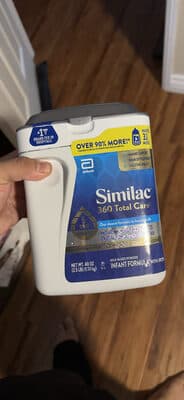
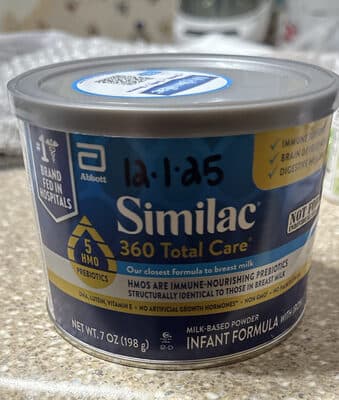
Thiamine is primarily used in food fortification programs, particularly in cereal grains, flour, bread, and rice products. It is also added to breakfast cereals, infant formulas, nutritional supplements, and fortified beverages. As a flavor enhancer and flavoring adjuvant, thiamine contributes to the overall sensory profile of foods. The additive plays a crucial role in food fortification initiatives designed to prevent thiamine deficiency diseases such as beriberi, which remain public health concerns in certain regions worldwide. Many countries mandate thiamine fortification in refined grain products to replace nutrients lost during processing.
Safety Assessment
Thiamine has an extensive safety profile supported by decades of use and scientific research. The FDA has designated thiamine as Generally Recognized as Safe (GRAS), indicating that it is safe for use in food at intended levels. According to FDA records, there have been zero adverse events reported in association with thiamine food additives, and zero product recalls linked to this ingredient. The European Food Safety Authority (EFSA) has also established that thiamine is safe for human consumption at the levels used in food fortification.
Thiamine toxicity is extremely rare because excess amounts are water-soluble and excreted through urine. The compound does not accumulate in body tissues to harmful levels. Scientific studies have consistently demonstrated that thiamine supplementation at recommended dietary allowances (RDA) and even at significantly higher levels presents no safety concerns for the general population. No genotoxic, carcinogenic, or reproductive toxicity has been identified in the scientific literature.
Regulatory Status
Thiamine is approved for use as a food additive across multiple regulatory jurisdictions. In the United States, the FDA classifies thiamine as GRAS, permitting its use in various food categories without specific quantitative limitations, provided it meets the functional purpose of nutrient supplementation. The European Union permits thiamine as a food additive under specific regulations governing vitamin fortification. Other major regulatory bodies, including Health Canada and the Australian and New Zealand Food Standards Authority, similarly approve thiamine for food fortification purposes. International Codex Alimentarius standards recognize thiamine as an acceptable fortification agent in staple foods.
Key Studies
Nutritional epidemiology studies have demonstrated the effectiveness of thiamine fortification in preventing deficiency-related diseases. Research published in nutrition journals has confirmed that fortified foods successfully increase population thiamine intake and reduce deficiency prevalence in developing nations. Bioavailability studies show that synthetic thiamine in fortified foods is effectively absorbed and utilized by the human body, comparable to naturally occurring thiamine. Long-term safety studies have found no adverse health effects from consumption of thiamine-fortified foods at population levels. The World Health Organization supports thiamine fortification as a cost-effective public health intervention for populations at risk of deficiency.