What is Sucrose Acetate Isobutyrate?
Sucrose Acetate Isobutyrate (SAIB) is a chemical derivative of sucrose (table sugar) that has been acetylated and isobutyrylated—meaning acetic acid and isobutyric acid groups have been chemically attached to the sugar molecule. This modification changes the compound's properties from standard sucrose, making it useful in food manufacturing for specific technical functions rather than as a sweetener.
The compound exists as a clear to light yellow liquid and is classified as a sugar ester. Its CAS number is 126-13-6, which serves as its unique chemical identifier in scientific databases and regulatory systems.
Common Uses
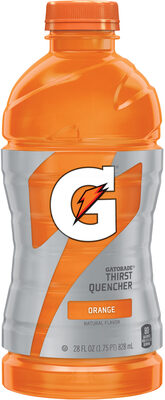
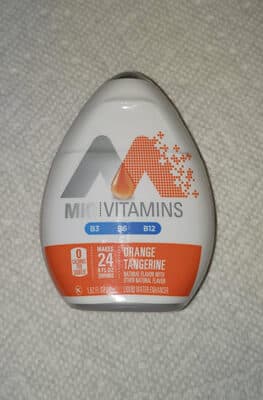
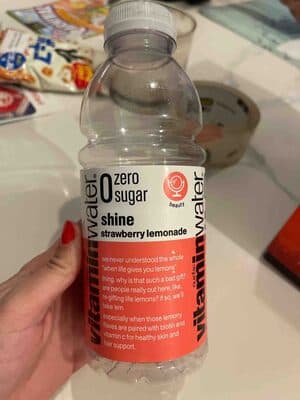
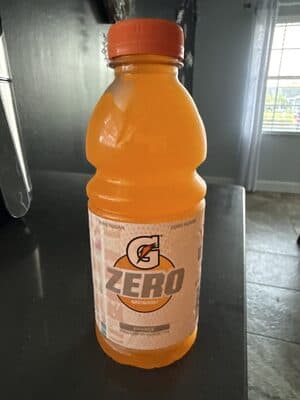
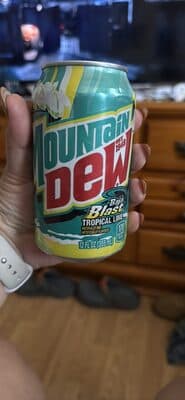
SAIB is primarily used in the food and beverage industry as a flavor enhancer and flavoring agent adjuvant. Its most notable application is in citrus-flavored beverages, where it helps solubilize flavor oils and essential oils that would otherwise separate from the aqueous base of drinks. This emulsifying property makes it valuable in creating stable, homogeneous products.
Beyond beverages, SAIB functions as a processing aid in various food manufacturing processes and as a surface-finishing agent. These applications leverage its ability to improve texture, appearance, and stability of finished products. The compound helps ensure that flavor components remain uniformly distributed throughout food products, improving consistency between batches.
Safety Assessment
According to FDA records, there have been zero reported adverse events associated with SAIB consumption, and no product recalls have been issued due to this ingredient. This absence of documented safety issues provides some reassurance regarding its use in food products.
However, it is important to note that SAIB does not currently hold FDA GRAS (Generally Recognized as Safe) status. GRAS status is a regulatory designation indicating that an additive has been determined safe for its intended use based on scientific evidence and expert consensus. The lack of GRAS status suggests that while the ingredient may be permitted in certain food applications, it has not undergone the formal GRAS determination process with the FDA.
The European Food Safety Authority (EFSA) has evaluated sugar esters, including compounds similar to SAIB, in various contexts. Regulatory approaches between jurisdictions may differ, and approval status can vary by country and specific application.
Regulatory Status
The regulatory status of SAIB varies by jurisdiction and application. In the United States, while not GRAS-designated, it may be used in certain food categories under FDA regulations for specific purposes. Food manufacturers using SAIB must comply with FDA labeling requirements and permitted use levels for their intended applications.
The compound is subject to the same safety and labeling standards as other food additives, requiring manufacturers to maintain documentation of its safety and proper usage. Any use in food products must align with FDA regulations regarding food additives and their permissible functions.
Key Studies
Limited peer-reviewed literature specifically addresses SAIB toxicity and safety in humans. Most safety assessment data comes from manufacturer submissions and regulatory agency evaluations rather than independent published studies. The absence of reported adverse events and recalls suggests acceptable safety margins at typical use levels, though comprehensive human safety studies specific to this compound appear limited in public databases.
Research on sugar esters more broadly has examined potential metabolic effects and digestibility. SAIB, being a modified sugar compound, may be metabolized differently than standard sucrose, though specific data on human absorption and metabolism remain proprietary or limited in public scientific literature.