What is Sodium Propionate?
Sodium propionate is the sodium salt of propionic acid, a naturally occurring short-chain fatty acid. It appears as a white crystalline powder and is readily soluble in water. The compound has been used in food preservation for decades and is recognized as a food additive in numerous countries worldwide.
Common Uses
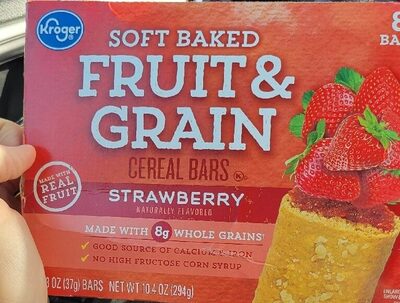
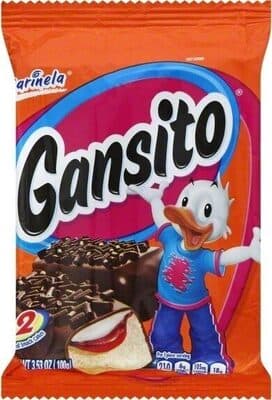
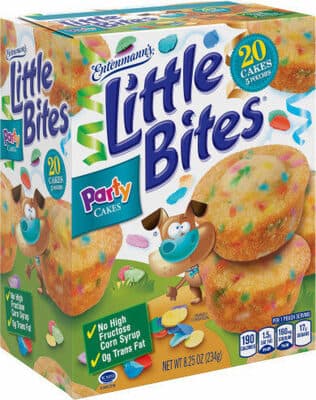
Sodium propionate is primarily used as a preservative in baked goods, including bread, cakes, and pastries, where it effectively inhibits mold growth. It is also found in dairy products such as cheese and processed cheese, where it prevents bacterial and fungal spoilage. The additive is used in meat products, condiments, and various processed foods. Typical usage levels range from 0.1% to 0.3% by weight, depending on the food application and desired shelf-life extension.
Safety Assessment
Sodium propionate has an extensive history of safe use in food. The FDA has designated it as Generally Recognized as Safe (GRAS), indicating that qualified experts have concluded it is safe for its intended use. According to FDA records, there have been zero reported adverse events and zero product recalls associated with sodium propionate, reflecting its long safety record.
The compound is metabolized similarly to propionic acid naturally present in some foods. Once ingested, sodium propionate is rapidly absorbed and metabolized by the liver and other tissues, with propionic acid being incorporated into normal metabolic pathways. Toxicological studies have shown no significant concerns at levels used in food.
The European Food Safety Authority (EFSA) has also evaluated sodium propionate and established acceptable daily intake (ADI) levels. The compound is permitted in European Union food regulations with specified maximum levels depending on food category.
Regulatory Status
Sodium propionate is approved by the FDA as a food additive and is listed in 21 CFR 184.1803 as GRAS. It is also permitted in food regulations across Canada, the European Union, Australia, and numerous other countries. Regulatory agencies worldwide recognize its safety and efficacy as a food preservative when used at appropriate levels.
The additive is subject to standard labeling requirements and must be declared on product ingredient lists. Maximum permitted levels vary by food category and jurisdiction to ensure consumer safety while maintaining preservation efficacy.
Key Studies
Multiple safety studies have evaluated sodium propionate's toxicological profile. Chronic feeding studies in laboratory animals at levels substantially higher than typical food exposure have shown no adverse health effects. Absorption, distribution, and metabolism studies demonstrate that sodium propionate is efficiently processed by normal body metabolic pathways without accumulation.
Short-term and long-term toxicity studies support the GRAS determination. The compound has not demonstrated genotoxic, carcinogenic, or reproductive toxicity in standard safety testing protocols. Microbiological efficacy studies confirm its antimicrobial effectiveness against common spoilage organisms, including various mold species and bacteria that compromise food quality.