What is Sodium Diacetate?
Sodium diacetate (CAS Number: 126-96-5) is a white crystalline powder that is a compound of sodium acetate and acetic acid. It is produced through the neutralization of acetic acid with sodium hydroxide or sodium carbonate. The additive is soluble in water and has a characteristic salty-acidic taste. Chemically, it exists as a mixture of sodium acetate monohydrate and free acetic acid in a specific ratio.
Common Uses
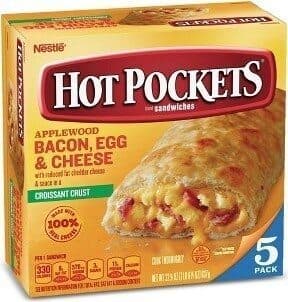
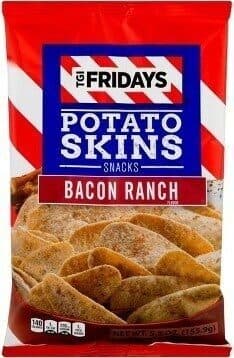
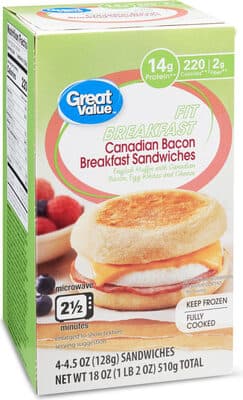
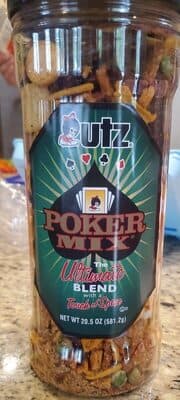
Sodium diacetate is primarily used as a flavoring agent and flavor adjuvant in food manufacturing. Its applications include:
- Seasoning blends and spice mixtures
- Processed meat products
- Snack foods and savory products
- Condiments and sauces
- Baked goods and bread products
The additive provides a tangy, salty flavor profile that enhances the overall taste of foods without requiring additional salt. It also functions as a mild antimicrobial agent due to its acetic acid component, which can help preserve certain food products.
Safety Assessment
Sodium diacetate has been used in food applications for several decades with a strong safety record. The FDA has not established a Generally Recognized as Safe (GRAS) status for this additive, though this does not indicate a safety concern. Rather, it reflects the specific regulatory pathway and classification system used in the United States.
According to FDA records, there have been zero documented adverse events associated with sodium diacetate consumption, and zero product recalls attributed to this additive. The safety profile is supported by the fact that both components—sodium acetate and acetic acid—are well-established food ingredients with long histories of use.
The European Food Safety Authority (EFSA) has evaluated acetic acid and its salts, which are closely related to sodium diacetate. These evaluations have not identified significant safety concerns when used at typical food additive levels. Sodium acetate itself is approved as a food additive in the European Union (E262) for various food categories.
Typical dietary exposure to sodium diacetate is low, as it is used in relatively small quantities in processed foods. The additive is metabolized similarly to vinegar and other acetate-containing compounds, which are natural constituents of many foods.
Regulatory Status
In the United States, sodium diacetate is permitted for use in food under FDA regulations, though it does not carry GRAS status. It is subject to FDA oversight and must comply with food additive regulations regarding purity, labeling, and intended use levels.
In the European Union, sodium diacetate may be used under the regulatory framework for food additives, and acetic acid and its sodium salt are listed as approved additives (E260 and E262, respectively) in specified food categories and at defined maximum levels.
Canada's food additive regulations also permit the use of sodium diacetate in certain food applications under the Food and Drug Regulations.
Key Studies
While comprehensive toxicological studies specifically focused on sodium diacetate are limited in public literature, the extensive safety data on acetic acid and sodium acetate—the two components of sodium diacetate—support its safe use. Both components have been studied for decades and are recognized as safe by major regulatory bodies when used at food additive levels.
The low incidence of adverse events and absence of recalls in FDA databases, combined with regulatory approval in multiple jurisdictions, indicates that sodium diacetate has a well-established safety profile in food applications. Ongoing monitoring through adverse event reporting systems continues to track any emerging safety concerns.