What is Sodium Carbonate?
Sodium carbonate (Na₂CO₃), with CAS number 497-19-8, is an inorganic alkaline salt produced through the Solvay process or mined from natural deposits. It appears as a white crystalline powder and has been used in food production and other industries for centuries. The compound is highly soluble in water and creates an alkaline solution, which explains many of its functional properties in food manufacturing.
Common Uses
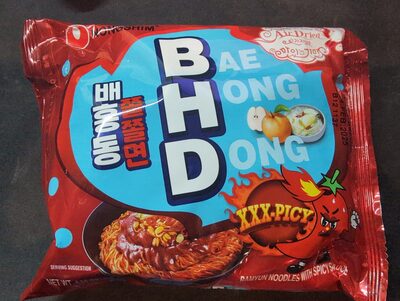
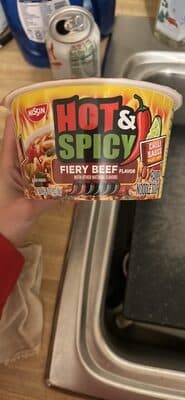
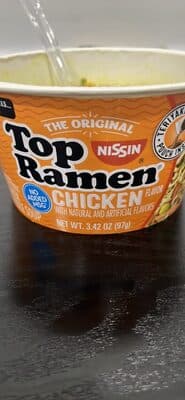
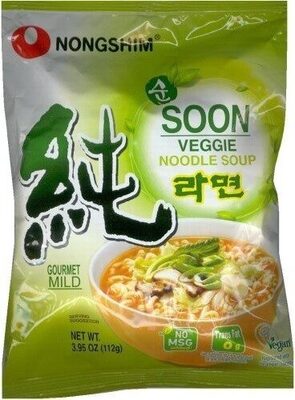
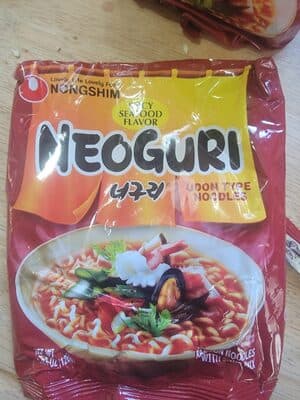
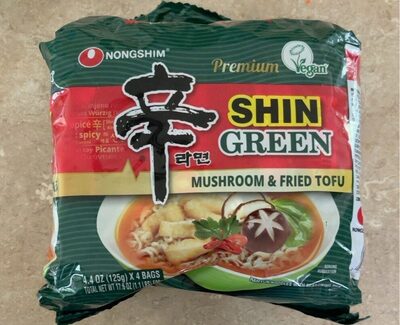
In the food industry, sodium carbonate serves multiple functional roles. As a pH control agent, it neutralizes acidic conditions and maintains desired pH levels in processed foods. It is commonly used in the production of noodles and pasta, where it firms the dough and improves texture and color. In meat processing, sodium carbonate functions as a curing and pickling agent, contributing to preservation and flavor development. It also acts as an antioxidant, helping prevent oxidative degradation in certain food products. Additionally, it serves as a processing aid in various food manufacturing operations, facilitating production efficiency and product consistency.
Safety Assessment
The U.S. Food and Drug Administration (FDA) has designated sodium carbonate as Generally Recognized As Safe (GRAS) for use in food. This classification indicates that qualified experts have concluded the substance is safe for its intended use based on scientific evidence and common use history. The FDA's adverse event database contains zero reported adverse events associated with sodium carbonate consumption through food, and no food recalls have been initiated due to this additive.
When ingested in typical food quantities, sodium carbonate is neutralized by stomach acid and does not accumulate in the body. The safety profile is further supported by the fact that sodium carbonate is chemically simple and well-understood. However, it is important to distinguish between food-grade and industrial-grade sodium carbonate, as only food-grade material should be used in food production. The acceptable daily intake and use levels established by regulatory agencies are based on extensive safety data.
Regulatory Status
Sodium carbonate is approved for use as a food additive in the United States under FDA regulations. It appears on the GRAS list, meaning it does not require premarket approval for use in foods. The European Food Safety Authority (EFSA) also permits sodium carbonate as a food additive, classified as E500. Various other countries and regulatory bodies worldwide have approved its use in food production, reflecting broad international consensus on its safety.
Due to its GRAS status, manufacturers may use sodium carbonate without submitting a Food Additive Petition, though they must comply with current Good Manufacturing Practices (cGMP) and use it in accordance with regulatory guidelines. The permitted uses and maximum levels vary by food category and jurisdiction.
Key Studies
Sodium carbonate has an extensive history of safe use in food and other applications, with safety data accumulated over many decades. While specific recent peer-reviewed studies focused solely on sodium carbonate in food are limited, this reflects its well-established safety profile and lack of identified concerns warranting extensive modern research. The compound's safety is supported by its chemical simplicity, the neutralization of its alkaline properties by stomach acid, and the complete absence of adverse event reports in FDA databases.
The historical use of sodium carbonate in food preparation across multiple cultures and industries demonstrates its practical safety record. Modern toxicological understanding and regulatory oversight ensure that current food-grade sodium carbonate meets strict quality and purity standards.