What is Rebaudioside C?
Rebaudioside C (Reb C) is a naturally occurring compound belonging to the steviol glycoside family, derived from the leaves of Stevia rebaudiana Bertoni, a plant native to South America. With the CAS number 63550-99-2, it is one of several sweet-tasting compounds found in stevia leaves. Like other steviol glycosides, Reb C is a non-caloric sweetener that provides sweetness without contributing significant calories to food products.
The compound is extracted and purified from stevia plant material through industrial processes. Structurally, rebaudioside C consists of a steviol aglycone core with multiple glucose units attached, which distinguishes it from other steviol glycosides such as rebaudioside A or stevioside based on the specific arrangement of sugar moieties.
Common Uses
Rebaudioside C functions primarily as a flavoring agent and sweetener in the food and beverage industry. It is utilized in products seeking to reduce sugar content while maintaining sweetness, including:
- Beverages (soft drinks, juices, flavored water)
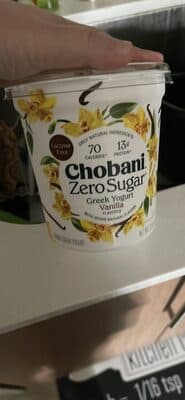
- Dairy products (yogurt, ice cream)
- Confectionery items
- Tabletop sweeteners
- Baked goods and desserts
- Nutritional and dietary supplements
The compound appeals to manufacturers developing products for consumers managing sugar intake or seeking lower-calorie alternatives. Its use aligns with growing market demand for plant-derived sweetening ingredients.
Safety Assessment
Rebaudioside C has not been designated as Generally Recognized as Safe (GRAS) by the FDA. This status differs from some other steviol glycosides, particularly rebaudioside A, which received GRAS affirmation in 2008. The lack of GRAS status reflects the FDA's determination that there is insufficient scientific data meeting their GRAS standard for this specific compound.
However, the absence of an FDA GRAS determination does not necessarily indicate safety concerns. Rather, it indicates that comprehensive safety dossiers and toxicological studies specific to rebaudioside C have not been submitted to or accepted by the FDA through the GRAS notification process.
As of current records, there are zero adverse event reports submitted to the FDA related to rebaudioside C, and zero product recalls attributed to this ingredient. This suggests no documented safety incidents in the U.S. market where the compound has been used.
Since rebaudioside C is structurally similar to other approved steviol glycosides, toxicological profiles from related compounds provide some context. Studies on steviol glycosides generally indicate low acute toxicity and minimal absorption in the human gastrointestinal tract, with the parent steviol compound being metabolized by human gut microbiota.
Regulatory Status
In the United States, rebaudioside C does not hold FDA GRAS status and therefore cannot be used as a direct food additive without prior FDA approval through a Food Additive Petition or other regulatory pathway. Any food containing this ingredient would require specific approval before market distribution in the U.S.
International regulatory status varies by region. The European Food Safety Authority (EFSA) and other regulatory bodies may have different approval statuses for this compound. Manufacturers seeking to use rebaudioside C must comply with regulations in each target market.
The regulatory distinction between different steviol glycosides reflects the FDA's approach of evaluating each compound individually based on submitted safety data rather than assuming equivalence across the steviol glycoside family.
Key Studies
Scientific literature on rebaudioside C specifically remains limited compared to rebaudioside A and stevioside. Most available safety data comes from general steviol glycoside research and studies including multiple steviol compounds.
Research on steviol glycosides as a class has examined absorption, metabolism, potential effects on glucose metabolism, and genotoxicity. These studies have generally supported the safety profile of steviol glycosides when used as food additives at typical consumption levels.
Development of a comprehensive safety dossier for rebaudioside C would require studies addressing toxicity, genotoxicity, reproductive/developmental effects, and long-term safety assessments following FDA guidance documents for food additive safety.