What is Rebaudioside A?
Rebaudioside A (Reb A) is a naturally occurring compound belonging to the steviol glycoside family, extracted from the leaves of the Stevia rebaudiana plant native to South America. It is one of the most abundant and sweet-tasting components in stevia leaf extract. Rebaudioside A has a molecular formula of C44H70O23 and carries CAS number 58543-16-1. Unlike some other steviol glycosides, Reb A exhibits minimal aftertaste, making it more palatable for consumer applications.
Common Uses
Rebaudioside A is primarily used as a sweetening agent in the food and beverage industry. Common applications include:
- Soft drinks and carbonated beverages
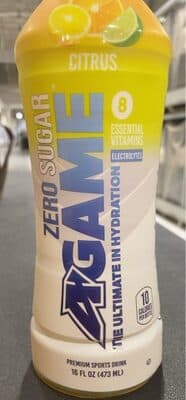
- Flavored waters and sports drinks
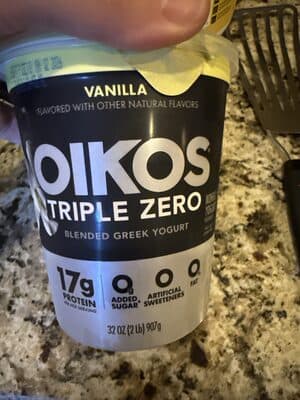
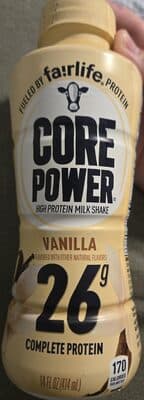
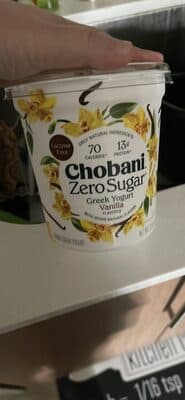
- Dairy products including yogurt and milk-based beverages
- Confectionery and baked goods
- Tabletop sweeteners
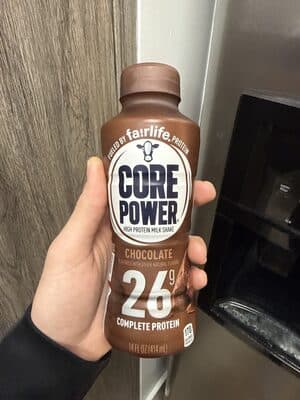
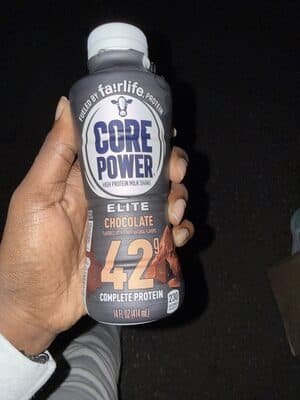
- Nutritional supplements and protein products
- Plant-based milk alternatives
The compound appeals to manufacturers seeking calorie-free sweetening options and to consumers reducing sugar intake. Its use has expanded significantly since regulatory approvals in major markets during the 2000s and 2010s.
Safety Assessment
Rebaudioside A has been evaluated by major regulatory bodies for safety. The European Food Safety Authority (EFSA) has conducted multiple risk assessments of steviol glycosides, including Reb A. In 2010, EFSA established an acceptable daily intake (ADI) of 4 mg/kg of body weight for steviol glycosides, equivalent to approximately 320 mg per day for a 70 kg adult.
Toxicological studies examined in regulatory submissions included acute toxicity, genotoxicity, and subchronic toxicity assessments. The compound has shown low systemic toxicity in animal models. No adverse events have been reported to the FDA related to Rebaudioside A, and no recalls have been associated with this specific ingredient.
Key safety considerations include individual sensitivity and gastrointestinal tolerance, which varies among consumers. Some individuals may experience digestive effects from steviol glycosides at high consumption levels, though such effects are generally mild and dose-dependent.
Regulatory Status
Rebaudioside A's regulatory approval varies internationally. In the United States, it is not included on the FDA's Generally Recognized as Safe (GRAS) list as a direct food additive in all applications, though specific Reb A products have received GRAS notices accepted by the FDA under specific conditions. The FDA permits its use in various food categories under GRAS status for specific approved ingredients containing steviol glycosides.
In the European Union, steviol glycosides (including Reb A) are approved as food additives under Regulation (EC) No 1333/2008. Japan approved Reb A in 2006, and Australia and New Zealand approved steviol glycosides in 2008. Canada permits steviol glycoside-containing sweeteners in specific food applications.
The regulatory complexity reflects differences in how authorities classify Reb A—some treat it as a food ingredient, others as a food additive, depending on production method and purity specifications.
Key Studies
Several scientific studies have assessed Rebaudioside A safety:
- The EFSA's 2010 and 2011 assessments reviewed available toxicological and metabolic data, concluding that steviol glycosides do not raise safety concerns at estimated dietary exposure levels.
- A 2017 EFSA re-evaluation examined additional studies on steviol metabolism and confirmed the previously established ADI remained appropriate.
- Metabolic studies show that Reb A is poorly absorbed in the human small intestine and passes largely unchanged through the digestive tract, with some metabolism by colonic bacteria.
- Consumer exposure assessments conducted by regulatory agencies indicate that typical dietary intake remains well below established safety limits across all age groups in major markets.
Ongoing research continues to evaluate long-term consumption patterns and potential effects in specific populations, including children and pregnant women.