What is Pyridoxine Hydrochloride?
Pyridoxine hydrochloride is a synthetic salt form of vitamin B6 (pyridoxine), one of the B-complex vitamins essential for human health. The hydrochloride form is a white to off-white crystalline powder that is stable and highly soluble in water, making it practical for food fortification. Naturally occurring vitamin B6 exists in multiple forms including pyridoxine, pyridoxal, and pyridoxamine, but the synthetic hydrochloride form is commonly used in food manufacturing due to its stability and bioavailability.
Common Uses
Pyridoxine hydrochloride is widely used as a nutrient supplement in food fortification programs and as a dietary supplement ingredient. Common food applications include:
- Breakfast cereals and grain products
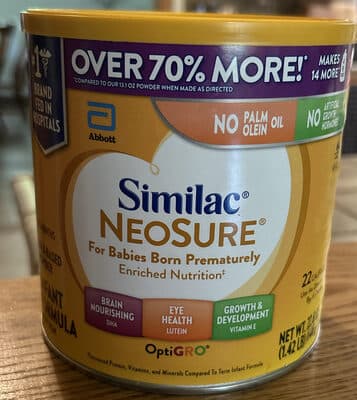
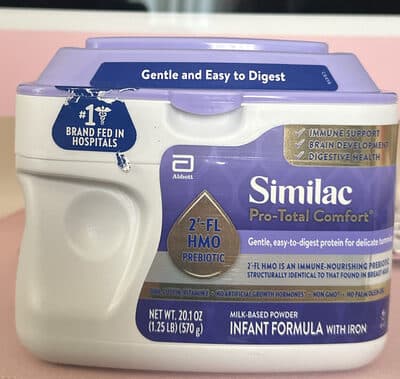
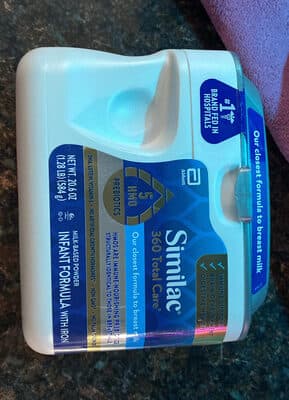
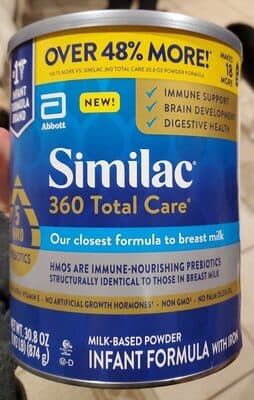
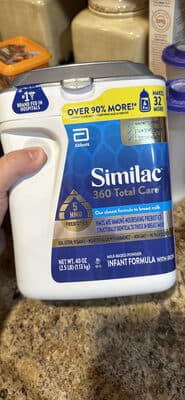
- Infant formulas and baby foods
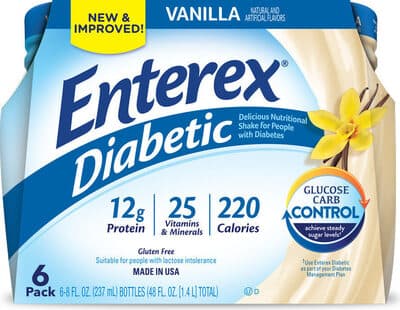
- Nutritional beverages and meal replacement drinks
- Fortified flour and bread products
- Vitamin and mineral supplements
- Energy bars and nutritional snacks
The additive addresses public health nutrition programs aimed at preventing B6 deficiency, which can lead to anemia, peripheral neuropathy, and immune system dysfunction.
Safety Assessment
Pyridoxine hydrochloride has an extensive safety record in food applications. The FDA has designated this ingredient as Generally Recognized as Safe (GRAS) for use in foods. According to FDA records, there are zero reported adverse events associated with pyridoxine hydrochloride when used as a food additive, and zero product recalls have been issued.
As a water-soluble vitamin, excess pyridoxine is excreted through urine, making acute toxicity unlikely from food sources. Chronic excessive intake from supplements (not from food fortification alone) has been associated with sensory neuropathy in some studies, but these typically involve intakes substantially exceeding recommended daily allowances (RDA: 1.3-1.7 mg for adults) through supplementation, not food fortification.
The European Food Safety Authority (EFSA) has also established safe intake levels for pyridoxine and approved its use in food fortification within specified limits. The safety of pyridoxine hydrochloride in infant formulas has been specifically evaluated and approved by regulatory agencies worldwide.
Regulatory Status
Pyridoxine hydrochloride is approved for use in food fortification in the United States, Europe, Canada, Australia, and most other countries with established food safety regulatory frameworks. In the U.S., the FDA permits its use in accordance with current good manufacturing practice (CGMP) for supplements and as a nutrient supplement in foods.
Maximum fortification levels are regulated to ensure nutritional adequacy without risk of excess intake. The ingredient is listed on food labels as "pyridoxine hydrochloride" or "vitamin B6."
Key Studies
Numerous peer-reviewed studies have confirmed the bioavailability and safety of pyridoxine hydrochloride. Research demonstrates that the hydrochloride form is effectively absorbed and converted to the active coenzyme form (pyridoxal-5-phosphate) in the body. Population-based studies on fortified grain products have shown the effectiveness of this ingredient in reducing B6 deficiency rates in public health nutrition programs.
The ingredient has been studied extensively in infant formula safety assessments, with regulatory agencies concluding that pyridoxine hydrochloride at standard fortification levels is safe for infants and young children. Long-term observational studies of populations consuming fortified foods show no adverse health effects attributable to pyridoxine hydrochloride at typical fortification levels.