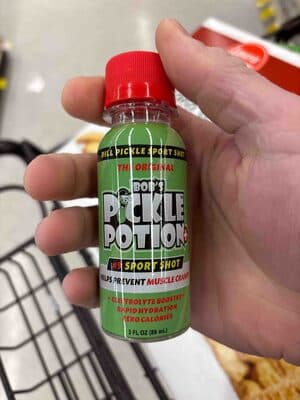
What is Potassium Gluconate?
Potassium gluconate (CAS Number: 299-27-4) is an organic salt formed from potassium and gluconic acid, a naturally occurring compound derived from glucose fermentation. It appears as a white to off-white crystalline powder and is highly soluble in water. The compound is chemically stable and does not contain synthetic additives in its basic form.
Common Uses
Potassium gluconate serves dual functions in food manufacturing. As a nutrient supplement, it provides an absorbable source of potassium, an essential mineral crucial for cardiovascular health, muscle function, and electrolyte balance. This makes it valuable in fortified foods, beverages, and nutritional supplements targeting populations with inadequate potassium intake.
As a sequestrant, potassium gluconate binds metal ions such as iron, copper, and zinc that can catalyze oxidative reactions and spoilage in foods. By chelating these metals, it extends shelf life and maintains product stability, particularly in beverages, processed foods, and foods containing oils or fats.
Safety Assessment
Potassium gluconate has not been formally designated as Generally Recognized As Safe (GRAS) by the FDA, though this status reflects the classification system rather than a safety concern. The FDA has recorded zero adverse events associated with potassium gluconate and zero product recalls involving this ingredient, indicating a strong safety record in commercial use.
The additive's safety profile is supported by its chemical composition: potassium is an essential nutrient required for human health, and gluconic acid is a naturally occurring weak acid produced during glucose metabolism. When used at typical food fortification levels (generally under 100 mg per serving), potassium gluconate presents minimal risk.
Potassium intake from food additives is not typically a concern for most populations, as the body effectively regulates potassium excretion. However, individuals with certain medical conditions—such as kidney disease or those taking specific medications—may need to monitor total potassium intake and should consult healthcare providers.
Regulatory Status
Potassium gluconate is permitted for use in food in multiple countries. In the European Union, it is listed as a food additive under regulation EC No. 1333/2008, though regulatory frameworks differ by member state. The compound is also approved in Canada and other nations with established food safety programs.
The lack of GRAS designation does not prevent its use; rather, products containing potassium gluconate may have been approved through other FDA pathways, such as food additive petitions or as part of Generally Recognized As Safe by qualified experts (21 CFR 184). Manufacturers must ensure accurate labeling and compliance with maximum use levels established in their respective jurisdictions.
Key Studies
Scientific literature supports potassium gluconate's efficacy and safety as a nutrient source. Studies have demonstrated that organic potassium salts like gluconate are bioavailable and effectively absorbed in the human digestive system, making them suitable for nutritional fortification.
Research on gluconic acid and its salts indicates minimal toxicity concerns at food-use levels. The compound exhibits low acute toxicity and does not accumulate in tissues. Long-term safety studies have not identified organ-specific toxicity or genotoxic effects.
As a sequestrant, potassium gluconate has been studied for its chelation properties and effectiveness in preventing oxidative degradation in food products, demonstrating practical utility in food preservation without safety concerns.