What is Nitrous Oxide?
Nitrous oxide (N2O), with CAS number 10024-97-2, is a colorless, non-flammable gas with a slightly sweet odor and taste. In food applications, it is used at extremely low concentrations and serves dual functions as both a propellant and flavor enhancer. The compound is chemically distinct from other nitrogen oxides and has been studied extensively in medical and industrial contexts.
Common Uses
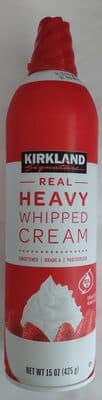
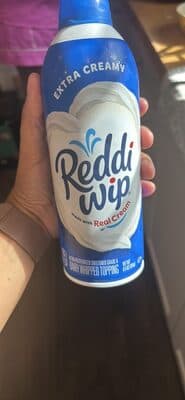
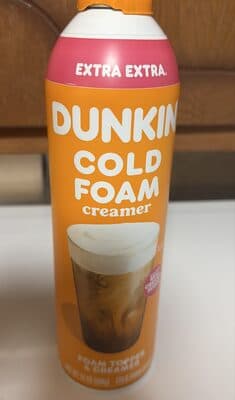
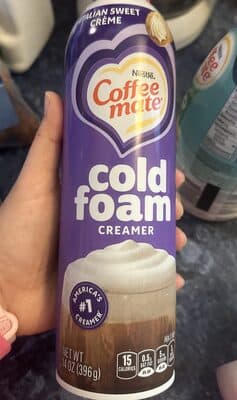
In the food industry, nitrous oxide is primarily employed as a propellant in whipped cream dispensers and aerosol food products. When compressed in a canister with cream or other liquids, N2O dissolves into the product and expands when pressure is released, creating the characteristic whipped texture. Some food manufacturers also use it in specialty applications where gasification or aeration of food products is desired. The gas is valued in professional and commercial kitchens for its ability to create consistent texture and extend shelf life of certain products.
Outside of traditional culinary use, nitrous oxide has gained attention in recent years due to recreational misuse, which falls entirely outside the scope of legitimate food additive applications and carries distinct health risks.
Safety Assessment
According to FDA records, there are zero reported adverse events and zero recalls associated with nitrous oxide as a food additive. The FDA has not granted GRAS (Generally Recognized As Safe) status to nitrous oxide for use as a food additive, meaning it does not have blanket approval for all food applications. However, this regulatory classification does not indicate that the substance is unsafe; rather, it reflects that formal FDA approval through specific petitions has not been granted for widespread use.
When nitrous oxide is used as a propellant in food products, the amounts used are extremely small. The gas dissolves in fats and liquids at food storage temperatures and is expelled when the product is dispensed. Exposure through normal food consumption of whipped cream products is negligible compared to any potential health concern threshold.
The most relevant safety consideration involves the distinction between controlled food additive use and recreational inhalation of nitrous oxide from cartridges, which can cause vitamin B12 depletion and neurological effects with repeated use. Food-grade applications operate under entirely different exposure parameters.
Regulatory Status
Nitrous oxide's regulatory status varies internationally. In the European Union, it is listed as a food additive (E942) and is permitted for use as a propellant and packaging gas in specific food categories. The EFSA (European Food Safety Authority) has evaluated nitrous oxide and determined its use as safe within defined parameters.
In the United States, while not holding GRAS status, nitrous oxide may be used under specific food additive regulations for particular applications, and its use is generally recognized as acceptable in the food industry for whipped cream and certain aerosol products. The lack of FDA GRAS designation means manufacturers must comply with applicable food additive regulations and labeling requirements.
Key Studies
Limited peer-reviewed food safety research specifically addresses nitrous oxide as a food additive at low concentrations, primarily because exposure levels in food are minimal. Most safety data derives from its extensive use in medical anesthesia and food manufacturing over several decades. The long history of use without documented safety incidents in food applications supports its general acceptance in commercial food production. Regulatory bodies in multiple countries have established acceptable use parameters based on the principle that the exposure levels from food applications pose no meaningful health risk.