What is Nitrogen?
Nitrogen (N₂) is a colorless, odorless, inert gas that comprises approximately 78% of Earth's atmosphere. In food applications, food-grade nitrogen is used to modify food packaging atmospheres and as a processing aid. Unlike reactive gases, nitrogen does not chemically interact with food components, making it ideal for preservation purposes. The CAS number for nitrogen is 7727-37-9.
Common Uses
Nitrogen serves multiple functions in food manufacturing and packaging:
**Modified Atmosphere Packaging (MAP):** Nitrogen is commonly used in MAP systems to displace oxygen in food packages. By reducing oxygen levels, nitrogen slows oxidation processes that lead to rancidity in fats and oils, color degradation, and microbial growth. This extends shelf life for products including baked goods, snack foods, processed meats, cheeses, and coffee.
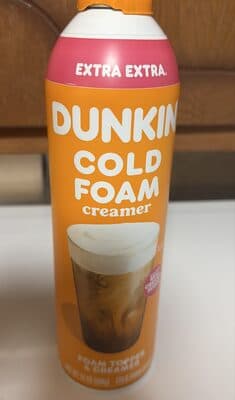
**Propellant:** Nitrogen serves as a propellant in foam systems and whipped cream dispensers, providing an alternative to other propellant gases. It efficiently aerates products while remaining inert and flavorless.
**Formulation Aid:** In food processing, nitrogen assists in mixing, blending, and texture development without introducing reactive chemical changes.
**Antioxidant Function:** By creating an oxygen-free environment, nitrogen indirectly functions as an antioxidant, protecting food from oxidative degradation.
Safety Assessment
Nitrogen has an excellent safety profile in food applications. The FDA has designated nitrogen as GRAS (Generally Recognized as Safe) for direct food contact and use in food processing. This classification is based on extensive historical use and scientific evidence demonstrating no toxicological concerns.
Since nitrogen is physiologically inert and naturally present in the atmosphere we breathe, ingestion of nitrogen gas in food does not pose systemic health risks. Nitrogen cannot be metabolized or absorbed through the gastrointestinal tract in meaningful quantities. The FDA reports zero adverse events associated with nitrogen use in foods and zero recalls linked to this additive.
Food-grade nitrogen used in commercial applications must meet purity standards to ensure no contamination with harmful substances. The use of nitrogen in food is well-established and extensively studied, with no identified safety concerns at concentrations used in food manufacturing.
Regulatory Status
Nitrogen is approved for use as a food additive in the United States under FDA regulations (21 CFR 182.5994) as a GRAS substance. Its use in modified atmosphere packaging and as a propellant is recognized across multiple regulatory jurisdictions, including the European Union, where it is approved for various food categories.
The additive is subject to good manufacturing practices (GMP), requiring that only appropriate food-grade nitrogen be utilized in food manufacturing. International food safety standards similarly recognize nitrogen's safety profile.
Key Studies
Research on modified atmosphere packaging containing nitrogen demonstrates its effectiveness in extending shelf life while maintaining food safety. Studies published in food science journals confirm that nitrogen-based MAP systems successfully inhibit microbial growth and oxidative degradation in various food products.
Historical use data spanning decades shows no accumulation of safety concerns. Regulatory agencies including the FDA and EFSA have reviewed available scientific literature and determined nitrogen poses no food safety hazards when used according to established practices.
The physiological inertness of nitrogen has been well-documented in respiratory physiology literature, supporting its safety as a food additive.