What is Tert-butylhydroquinone?
Tert-butylhydroquinone, commonly abbreviated as TBHQ, is a synthetic antioxidant compound with the chemical formula C10H14O2. Identified by CAS Number 1948-33-0, it belongs to a class of phenolic compounds designed to inhibit oxidative deterioration in food products. TBHQ functions by donating hydrogen atoms to free radicals, effectively neutralizing them and preventing them from initiating chain reactions that lead to rancidity and quality degradation in fats and oils.
Common Uses
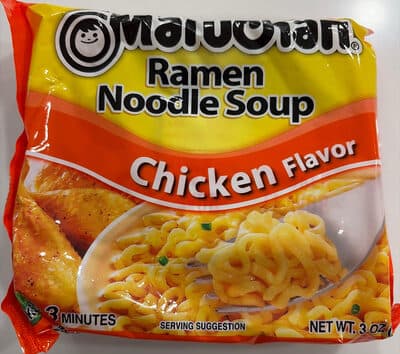
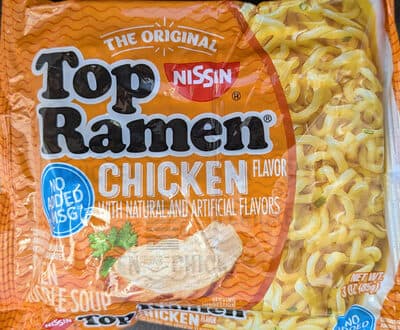
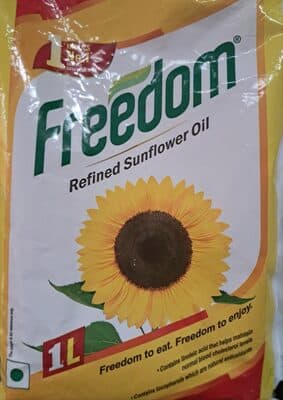
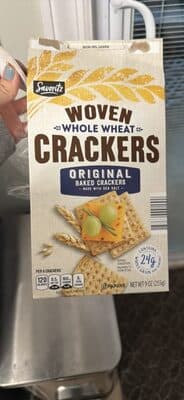
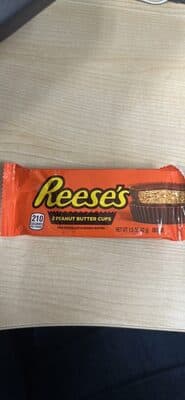
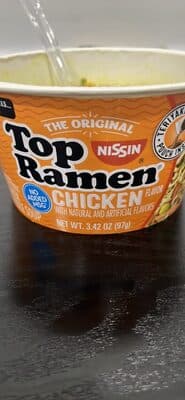
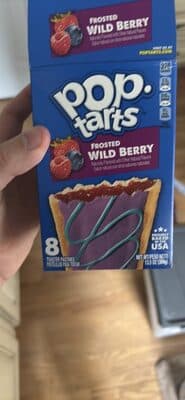
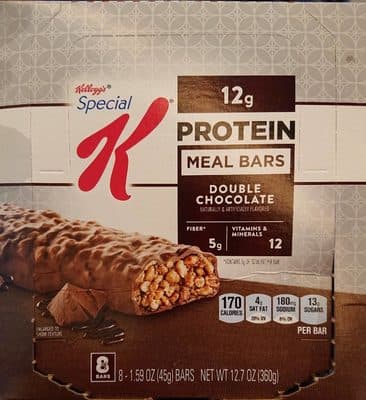
TBHQ is primarily used as a food preservative in products containing fats and oils. Common applications include vegetable oils, cooking oils, shortening, margarine, snack foods, fried foods, and processed meat products. It is also used in animal feed formulations to maintain nutritional quality during storage. The typical use level ranges from 100 to 400 parts per million (ppm), though regulations vary by country. In the United States, TBHQ is permitted under FDA regulations as a food additive.
Safety Assessment
TBHQ has been the subject of numerous toxicological studies since its introduction as a food additive. The FDA has not classified TBHQ as Generally Recognized as Safe (GRAS), meaning it is approved only as a food additive under specific conditions rather than as a substance with universal acceptance. Despite this classification distinction, regulatory agencies have established safety limits based on available evidence.
According to FDA records, there have been zero adverse events reported in association with TBHQ consumption in foods, and zero recalls have been issued due to TBHQ contamination or safety concerns. This absence of reported incidents reflects decades of use in the food supply without documented harm at approved levels.
International regulatory bodies have also evaluated TBHQ. The European Food Safety Authority (EFSA) and other regulatory organizations have set acceptable daily intake (ADI) values based on animal studies and toxicological research. These values establish the amount considered safe for daily consumption over a lifetime.
Regulatory Status
In the United States, TBHQ is regulated by the FDA as a food additive (21 CFR 182.8236) and is permitted for direct addition to human food. The regulatory maximum permitted level is 0.02% by weight of the oil or fat content, or 200 ppm in finished food products for most applications.
Regulatory approval also exists in Canada, Japan, and many other countries. However, TBHQ is not approved for food use in the European Union, where alternative antioxidants such as BHA, BHT, and tocopherols are preferred. This difference reflects varying regulatory philosophies rather than a determination of unsafe use at permitted levels.
Key Studies
Toxicological studies of TBHQ have examined acute toxicity, subchronic toxicity, reproductive effects, and genotoxicity. Rat and mouse feeding studies have established no-observed-adverse-effect levels (NOAELs) that serve as the basis for safety determinations. These studies, conducted at levels far exceeding typical dietary exposure, have not demonstrated significant health concerns at approved food use levels.
Research published in peer-reviewed journals has generally supported the safety of TBHQ when used within regulatory limits. However, some in vitro studies have suggested potential cellular effects at very high concentrations not reflective of dietary exposure. The weight of evidence from regulatory toxicology reviews supports the safety of TBHQ at permitted use levels in food.