What is Niacin?
Niacin (CAS Number 59-67-6) is a water-soluble B vitamin, also known as vitamin B3 or nicotinic acid. It exists in two primary forms: nicotinic acid and nicotinamide (niacinamide). Niacin is an essential nutrient required by the human body for numerous metabolic processes, including energy production, DNA repair, and cell signaling. Unlike some food additives, niacin is not a synthetic chemical foreign to the body—it is a naturally occurring compound found in many whole foods such as chicken, tuna, turkey, peanuts, and mushrooms.
Common Uses
Niacin is primarily used in the food industry as a nutrient fortification agent. It is commonly added to:
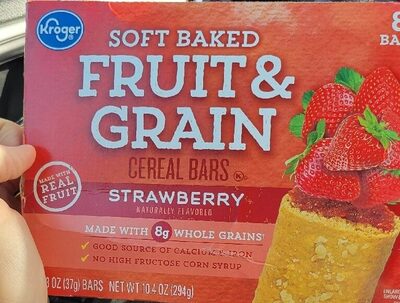
- Breakfast cereals
- Bread and flour products
- Rice and grain products
- Nutritional supplements and multivitamins
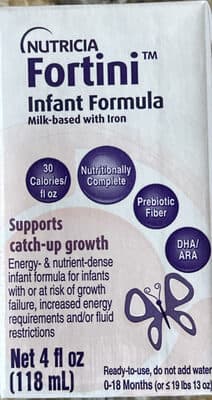
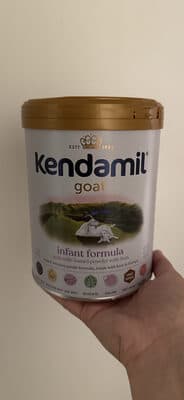
- Infant formulas
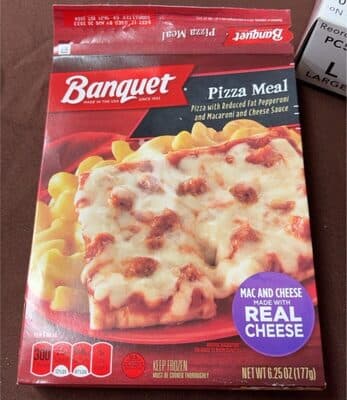
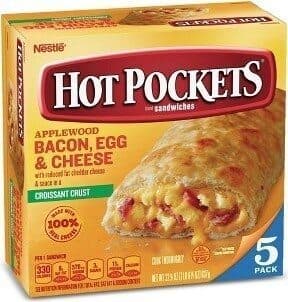
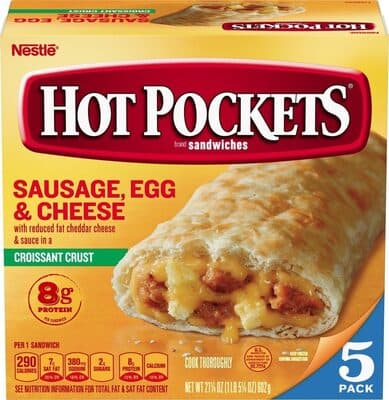
- Ready-to-eat meals
Food fortification with niacin began in the 1940s as a public health measure to prevent pellagra, a disease caused by severe niacin deficiency. This fortification program was highly successful in eliminating pellagra as a public health concern in developed nations. Today, niacin fortification remains a standard practice to ensure adequate nutrient intake across populations.
Safety Assessment
Niacin has an extensive safety record spanning decades of use. The FDA has designated niacin as Generally Recognized As Safe (GRAS) for use as a nutrient supplement in food. According to FDA records, there have been zero documented adverse events associated with niacin food fortification, and zero recalls related to niacin as a food additive.
The European Food Safety Authority (EFSA) has similarly established safe upper intake levels for niacin. For adults, the tolerable upper intake level is set at 35 mg per day for supplemental niacin, though this refers to pharmacological doses rather than dietary amounts from fortified foods. Dietary sources and typical fortified food consumption pose no safety concerns.
At very high supplemental doses (well above what would be consumed through fortified foods), niacin can cause flushing, itching, and gastrointestinal effects. However, these effects are not relevant to food fortification levels, which provide modest amounts to prevent deficiency.
Regulatory Status
Niacin is approved for use as a nutrient supplement by regulatory agencies worldwide:
- **United States (FDA):** GRAS status; approved for fortification of grain products, flour, bread, and other foods
- **European Union (EFSA):** Approved as a food additive (E375 for nicotinic acid; E376 for nicotinamide)
- **Canada:** Approved for food fortification
- **Australia/New Zealand:** Approved under Standard 1.1.1
Niacin fortification is mandatory or permitted in grain products in most developed nations. Maximum permitted levels in fortified foods vary by jurisdiction but are set conservatively to ensure safety while providing nutritional benefit.
Key Studies
Research on niacin fortification demonstrates clear public health benefits:
- Historical epidemiological studies document the elimination of pellagra following fortification programs in the United States (1940s-1950s)
- Long-term safety studies have found no adverse effects from fortified food consumption at normal dietary levels
- Biochemical studies confirm niacin's essential role in NAD+ synthesis, critical for cellular energy metabolism
- Population surveys show that niacin fortification significantly contributes to adequate B3 intake in many populations
The extensive safety data, combined with clear nutritional necessity, supports niacin's continued use in food fortification.