What is Monopotassium Glutamate?
Monopotassium glutamate (CAS Number: 19473-49-5) is an organic salt derived from glutamic acid, one of the most abundant amino acids in nature. Glutamic acid occurs naturally in many protein-containing foods including cheese, tomatoes, mushrooms, and meat broths. Monopotassium glutamate is the potassium salt form of this amino acid, meaning glutamic acid is chemically bonded with potassium. This compound appears as a white to off-white crystalline powder and is highly soluble in water.
Common Uses
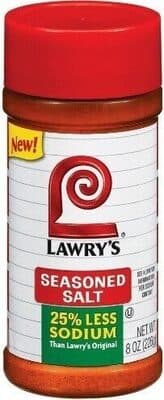
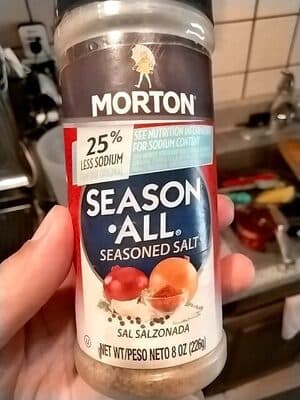
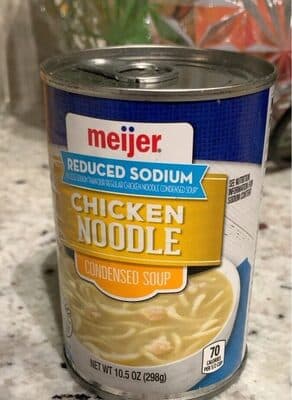
Monopotassium glutamate is primarily used in the food industry as a flavor enhancer that intensifies savory, umami tastes in various food products. It is commonly incorporated into seasonings, soups, broths, processed meats, snack foods, and convenience meals. The compound also functions as a nutrient supplement, contributing bioavailable potassium and glutamic acid to foods. Because it provides potassium content, it may be used in formulations designed to increase dietary potassium intake. The umami-enhancing properties make it particularly valuable in Asian cuisines and modern processed food applications where savory flavor intensity is desired.
Safety Assessment
Monopotassium glutamate has not been granted GRAS (Generally Recognized As Safe) status by the FDA, though this designation does not necessarily indicate safety concerns. Rather, it reflects that comprehensive GRAS petition submissions have not been completed for this specific compound. According to available FDA records, there have been zero documented adverse events and zero recalls associated with monopotassium glutamate, suggesting no established pattern of safety issues in the food supply.
Glutamate compounds, including monopotassium glutamate, are chemically related to monosodium glutamate (MSG), which has been extensively studied. The scientific consensus from multiple regulatory bodies, including the FDA and the European Food Safety Authority (EFSA), is that MSG is safe for the general population at typical dietary levels. The primary difference between MPG and MSG is the cation: potassium versus sodium. This substitution may actually be beneficial for certain populations seeking to reduce sodium intake while maintaining umami flavor.
The safety profile of potassium as a component is well-established, though individuals with certain kidney conditions or those on potassium-restricted diets should be aware of products containing added potassium compounds. Glutamic acid itself is a naturally occurring amino acid produced endogenously by the human body.
Regulatory Status
Monopotassium glutamate is not explicitly banned in major regulatory jurisdictions including the United States, European Union, Canada, or Australia. However, its regulatory status varies by region and application. In the United States, it does not have GRAS status, which means it cannot be used in food without prior FDA approval or a completed GRAS petition. In the European Union, glutamic acid and its salts (E620-E625 group) are approved as flavor enhancers, though specific approval of the monopotassium form may require verification through current EU additive regulations.
Any manufacturer wishing to use monopotassium glutamate would need to ensure compliance with local regulations, which may require submitting safety data and obtaining specific approval before food application.
Key Studies
While extensive safety data exists for monosodium glutamate and glutamic acid individually, published scientific studies specifically focused on monopotassium glutamate as a food additive are limited in the publicly available literature. The biochemical similarity to well-studied glutamate compounds suggests comparable safety characteristics, but direct clinical or toxicological studies on MPG would strengthen the safety evidence base. Research on potassium-based flavor enhancers as sodium reduction alternatives has grown in recent years as the food industry seeks healthier salt substitutes.