What is Mannitol?
Mannitol (CAS Number 69-65-8) is a six-carbon sugar alcohol, chemically known as mannit or hexanhydric alcohol. It occurs naturally in fruits, vegetables, and seaweed, and can be produced commercially through the hydrogenation of mannose or fructose. Mannitol is a white, crystalline powder that is slightly sweet (approximately 50-60% the sweetness of sucrose) and has minimal caloric content, making it a sugar substitute.
Common Uses
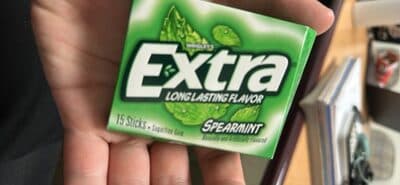
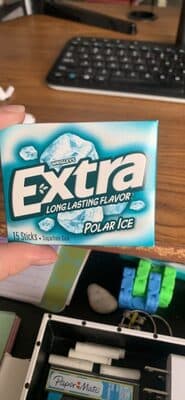
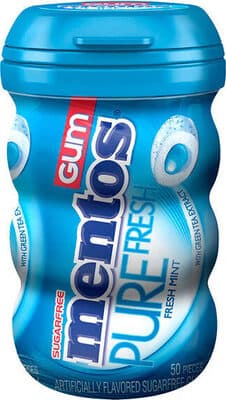
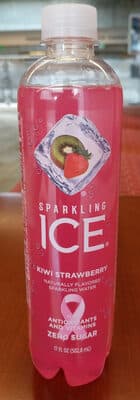
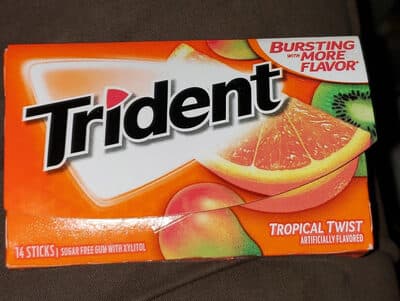
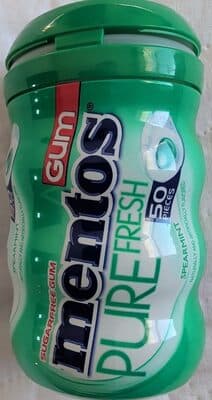
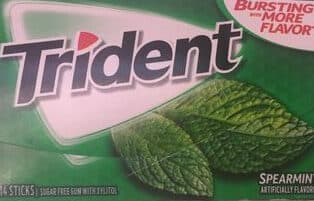
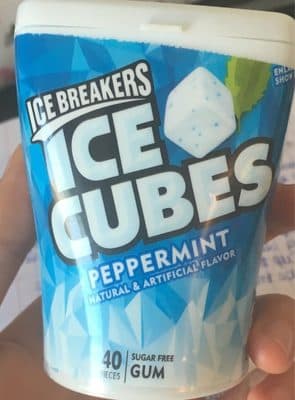
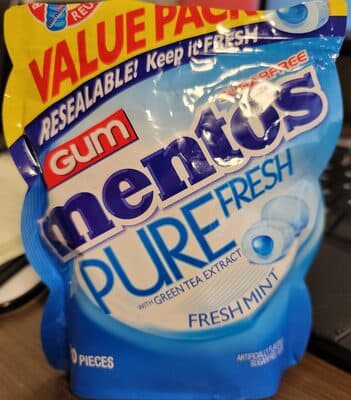
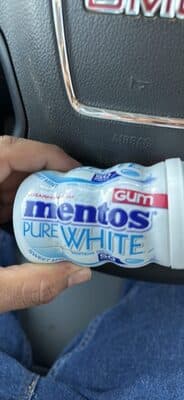
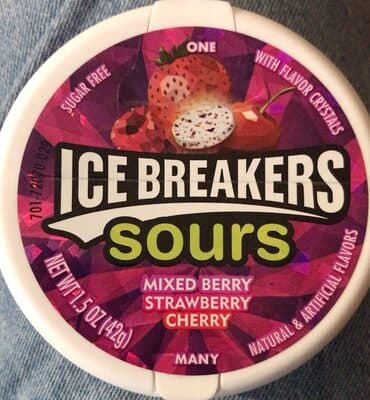
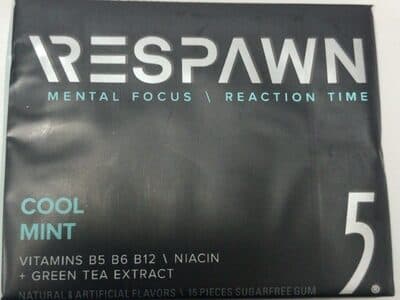
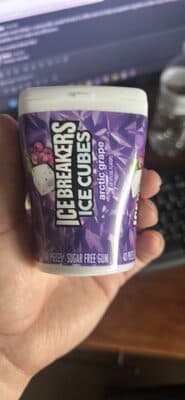
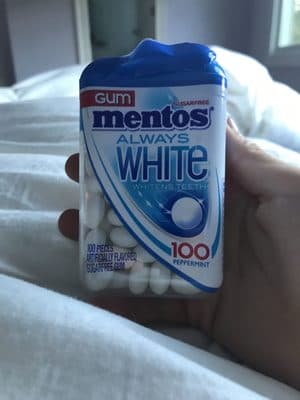
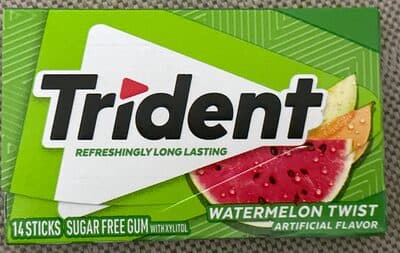
Mannitol serves multiple functions in food manufacturing and processing. As a non-nutritive sweetener, it is used in sugar-free and reduced-calorie products including confections, chewing gum, and beverages. Due to its physical properties, mannitol functions as an anti-caking and free-flow agent in powdered products such as seasoning mixes, instant drinks, and dry food formulations. It acts as a flavor enhancer and solvent in various applications, improving texture and mouth-feel in food products. Additionally, mannitol serves as a formulation aid and release agent in food processing, facilitating manufacturing efficiency and product consistency.
Safety Assessment
Mannitol has a well-established safety profile supported by extensive scientific literature and regulatory approval. The FDA has designated mannitol as Generally Recognized As Safe (GRAS), indicating that qualified experts consider it safe for its intended food uses. The FDA database shows zero reported adverse events and zero recalls associated with mannitol, reflecting its safety record in commercial food applications.
The European Food Safety Authority (EFSA) has similarly approved mannitol as a food additive (E421) for multiple food categories. Both regulatory bodies have established acceptable daily intake levels and reviewed available toxicological data.
One consideration is that mannitol, like other sugar alcohols, can have a laxative effect when consumed in large quantities. This is not a safety concern per se, but rather a physiological response. Products containing mannitol typically include labeling indicating that excessive consumption may have a laxative effect, consistent with regulatory requirements.
Mannitol is absorbed poorly in the human gastrointestinal tract and is largely excreted unchanged, contributing to its low caloric value and generally benign metabolic effects. It does not promote dental caries, making it suitable for dental-friendly products.
Regulatory Status
Mannitol is approved and regulated as a food additive in major markets worldwide. In the United States, the FDA lists mannitol as GRAS for food use. The European Union approves mannitol (E421) for use in various food categories with specific usage restrictions based on product type. Canada, Australia, and other countries similarly permit its use as a food additive.
Regulatory approval reflects comprehensive safety evaluations including acute and chronic toxicity studies, genotoxicity assessments, and reproductive/developmental toxicity evaluations. These studies have consistently demonstrated the safety of mannitol at levels relevant to food use.
Key Studies
Scientific research supports mannitol's safety profile. Toxicological studies conducted for regulatory approval found no evidence of carcinogenicity, mutagenicity, or reproductive toxicity at exposure levels relevant to dietary consumption. Absorption and metabolism studies demonstrate that mannitol is poorly absorbed and primarily excreted in urine, with minimal systemic accumulation.
Nutritional research confirms mannitol's utility as a calorie-reduced sweetener and its non-cariogenic properties. Studies in individuals with phenylketonuria (PKU) have established that mannitol, unlike aspartame, does not require restriction for this population, making it a suitable sweetening option.
The long history of mannitol use in pharmaceutical and food applications, combined with modern safety evaluations, supports its status as a well-characterized food additive with minimal risk at approved use levels.