What is Manganese Sulfate?
Manganese sulfate (MnSO₄) is an inorganic compound containing manganese, a naturally occurring trace mineral essential for human health. The compound exists in several hydrated forms, with the monohydrate and tetrahydrate versions most commonly used in food applications. It appears as a pale pink crystalline solid and is highly soluble in water. As a nutrient supplement, manganese sulfate provides a source of bioavailable manganese that the body can readily absorb and utilize.
Common Uses
Manganese sulfate is used as a nutrient fortification agent in various food and beverage products, including:
- Grain-based foods and breakfast cereals
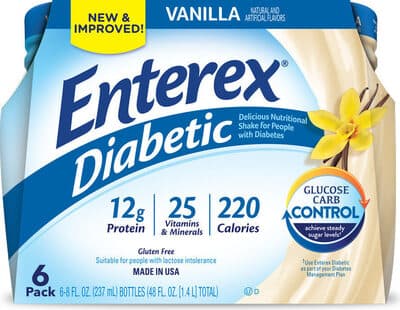
- Nutritional supplements and vitamin formulations
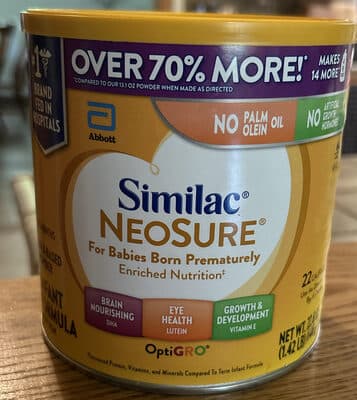
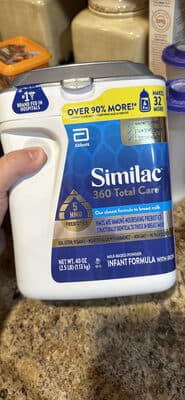
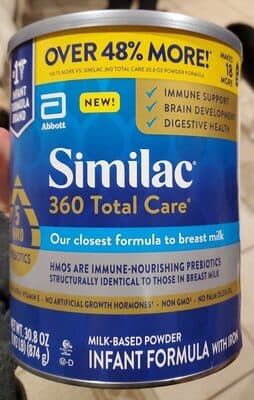
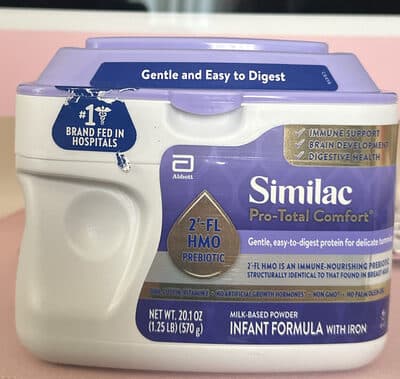
- Infant formulas and medical foods
- Beverages, including plant-based milk alternatives
- Fortified snack products
It serves as an economical source of manganese in fortification programs designed to prevent manganese deficiency, though deficiency is rare in populations consuming adequate dietary variety.
Safety Assessment
Manganese sulfate has been extensively studied as a nutrient source. According to FDA records, there have been zero reported adverse events and zero recalls associated with manganese sulfate when used as a food additive. The compound's safety profile at typical dietary supplement levels is well-established in scientific literature.
Manganese itself is an essential nutrient with an Adequate Intake (AI) of 2.3 mg/day for adult men and 1.8 mg/day for adult women, according to the National Institutes of Health. The Tolerable Upper Intake Level (UL) is set at 11 mg/day for adults, reflecting the mineral's safety margin at dietary levels.
Manganese sulfate is recognized as safe for use in food fortification at levels that contribute to meeting nutritional requirements without exceeding safe intake limits. The compound is readily absorbed through the gastrointestinal tract and is primarily eliminated through bile, with homeostatic mechanisms that prevent excessive accumulation in healthy individuals.
Regulatory Status
While manganese sulfate does not carry FDA GRAS (Generally Recognized as Safe) status as a direct food additive in the United States, it is permitted as a nutrient supplement under FDA regulations for specific food categories. It is listed in the FDA's inventory of food additives and is approved for use in infant formula and other fortified foods where nutrient supplementation is intended.
The European Food Safety Authority (EFSA) has evaluated manganese compounds, including sulfate forms, in the context of fortified foods and concluded that manganese sulfate is an appropriate source for nutrient fortification when used at levels consistent with established dietary requirements.
Manganese sulfate is also approved for use as a nutrient source in dietary supplements and fortified foods in numerous countries globally, including Canada, Australia, and Japan, indicating widespread regulatory acceptance.
Key Studies
Research on manganese sulfate and manganese bioavailability demonstrates that the sulfate salt form provides effective absorption of manganese when consumed as part of fortified foods. Studies comparing various manganese compounds show that sulfate forms have bioavailability comparable to other common nutrient forms.
Long-term safety monitoring data and epidemiological studies of populations consuming fortified foods containing manganese sulfate have not identified safety concerns at nutritional intake levels. The mineral's role as a cofactor for multiple enzymes, including superoxide dismutase and manganese-dependent phosphatases, is well-documented in biochemical research.
Data from nutrient fortification programs in developing countries demonstrates that manganese sulfate-fortified foods effectively contribute to improved manganese status without adverse health effects when used within established guidelines.