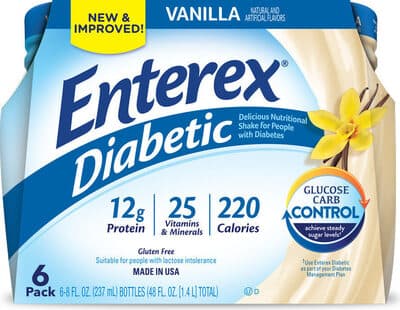
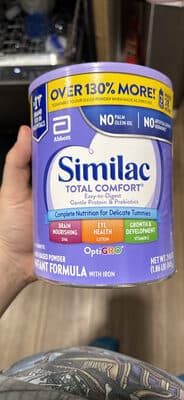
What is Maltodextrin?
Maltodextrin is a carbohydrate polymer produced by the partial hydrolysis of starch, typically from corn, potato, or rice sources. It consists of glucose units connected in chains of varying lengths, classified as a polysaccharide. The hydrolysis process breaks down starch into smaller molecular weight components, creating a white to off-white powder with neutral flavor and high solubility. The degree of hydrolysis determines its dextrose equivalent (DE) value, which ranges from 5 to 20, affecting its sweetness and functional properties.
Common Uses
Maltodextrin is widely used in the food industry across multiple applications. It serves as a thickening and stabilizing agent in sauces, gravies, and salad dressings. In beverage formulations, it acts as a texturizer and helps maintain suspension of ingredients. The additive functions as a humectant in baked goods and confectionery, retaining moisture and improving shelf life. In powdered products, maltodextrin prevents caking and improves flowability, making it useful in seasoning blends, instant beverages, and nutrition supplements. Additionally, it serves as a bulking agent in sugar-free products and as a solvent or vehicle for flavoring compounds and micronutrients.
Safety Assessment
Maltodextrin is composed entirely of glucose polymers, which the human body metabolizes through normal digestive processes. It contains no synthetic chemicals, additives, or allergens derived from the additive itself, though cross-contamination during processing from the source material (typically gluten-containing grains) may occur in some facilities. The FDA has recorded zero adverse events associated with maltodextrin and zero recalls attributed to this additive, indicating no documented safety concerns in the U.S. food supply.
Digestive tolerance is generally excellent. Maltodextrin has a low glycemic index relative to glucose, though it raises blood sugar faster than intact starch due to its partially hydrolyzed nature. Individuals with celiac disease or gluten sensitivity should verify the source material, as some maltodextrin is derived from wheat; however, the hydrolysis process removes most gluten proteins, and many commercial products are certified gluten-free.
As a carbohydrate, maltodextrin provides approximately 4 calories per gram, similar to sugar and starch. It is not considered a dietary fiber and contributes to total carbohydrate intake. No specific toxicological studies have identified concerns at the concentrations used in food applications.
Regulatory Status
Maltodextrin is not listed as Generally Recognized As Safe (GRAS) by the FDA under the specific designation "maltodextrin," though its component substances (glucose and starch hydrolysis products) have long histories of safe use. It is approved for use in food in the United States, the European Union, Australia, Canada, and most other countries with established food safety frameworks. In the EU, it is listed under E1400 as a modified starch. The additive is permitted in organic products in many jurisdictions, including those certified by USDA, when derived from organic source materials.
Key Studies
Maltodextrin has been extensively studied as a carbohydrate source and food additive. Research in sports nutrition journals demonstrates its effectiveness as a rapidly absorbed carbohydrate in endurance applications. Clinical studies on glycemic response indicate that maltodextrin raises blood glucose levels less dramatically than simple sugars but more quickly than complex starches, making it useful in specific dietary contexts. Digestive tolerance studies show it is well-tolerated in typical food concentrations, with minimal effects on gut microbiota compared to resistant starch or dietary fibers. No peer-reviewed studies document adverse health effects from maltodextrin consumption at food-use levels.