What is Magnesium Stearate?
Magnesium stearate is an inorganic salt formed from magnesium and stearic acid, a saturated fatty acid. It appears as a white or off-white powder with a fine texture. The compound is widely used in both food and pharmaceutical manufacturing as a processing aid. In food applications, magnesium stearate functions primarily to maintain the flow properties of powdered ingredients and prevent the formation of lumps caused by moisture absorption.
Common Uses
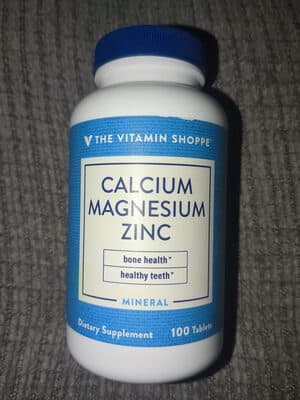
Magnesium stearate is primarily used in food manufacturing as an anticaking agent and free-flow agent. It is commonly found in powdered foods, including spice blends, dry beverage mixes, instant puddings, and dietary supplements. The additive is particularly valuable in products that are prone to moisture absorption or clumping during storage and transportation. In pharmaceutical manufacturing, it serves similar functions in tablet and capsule production. The additive helps maintain consistent product quality and improves consumer experience by ensuring powders remain free-flowing and easy to use.
Safety Assessment
Magnesium stearate has a well-established safety profile in food applications. The FDA has received zero adverse event reports associated with magnesium stearate and has documented zero recalls linked to this additive. These metrics indicate that the compound has not been identified as causing consumer harm in documented food safety incidents.
Magnesium stearate is generally recognized as safe (GRAS) by the FDA, though it does not carry a formal GRAS notice. The compound is approved for use in food manufacturing under FDA regulations as a formulation aid and anticaking agent. Magnesium stearate is also approved by the European Food Safety Authority (EFSA) and is permitted in food products throughout the European Union.
The safety of magnesium stearate relates to its chemical properties and metabolism. When ingested, stearic acid is metabolized through normal lipid digestion pathways, and magnesium is an essential mineral that plays important roles in human physiology. The typical exposure levels from food use are considered too low to raise toxicological concerns. No evidence suggests that magnesium stearate accumulates in tissues or poses risks at levels present in food products.
Regulatory Status
Magnesium stearate is approved for use in the United States under 21 CFR 182.1745 as a direct food additive in various applications, including as an anticaking agent, free-flow agent, and formulation aid. The compound is permitted at levels consistent with good manufacturing practices.
In the European Union, magnesium stearate is listed in Annex II of Regulation (EC) No 1333/2008 as an authorized food additive (E470b). It is approved for use in multiple food categories with specified conditions.
Canada and other major food regulatory agencies similarly permit the use of magnesium stearate in food products. The additive maintains consistent regulatory approval across major markets, reflecting its long history of safe use in food manufacturing.
Key Studies
Limited published research specifically examines magnesium stearate toxicity, which reflects the regulatory confidence in its safety profile. Existing toxicological assessments have found no evidence of adverse effects at relevant exposure levels. The lack of adverse event reports and recalls in the FDA database provides real-world evidence supporting the safety of magnesium stearate when used as an anticaking agent.
The compound's safety profile is supported by its chemical composition and the established safety of its component parts—stearic acid, a common fatty acid, and magnesium, an essential nutrient. Decades of use in food and pharmaceutical manufacturing without documented safety concerns further support its regulatory approval status.