What is Magnesium Gluconate?
Magnesium gluconate (CAS Number: 3632-91-5) is an organic salt formed by combining magnesium with gluconic acid, a naturally occurring organic acid derived from glucose. This compound is classified as a nutrient supplement and is used primarily for magnesium fortification in food and beverage products. The gluconate form is selected for its relatively high bioavailability and mild taste profile compared to some other magnesium salts.
Common Uses
Magnesium gluconate is incorporated into various food and beverage categories as a nutritional fortification agent. Common applications include:
- Dietary supplement products and vitamin formulations
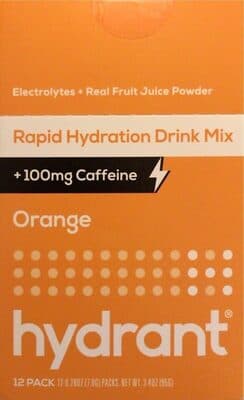
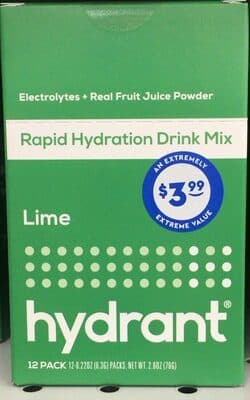
- Fortified beverages including sports drinks and nutritional drinks
- Fortified grain and cereal products
- Nutritional bars and meal replacement products
- Functional food products marketed for bone health or muscle function
The compound serves to increase the magnesium content of products, helping consumers meet their daily magnesium requirements through food sources. Magnesium itself is an essential mineral involved in over 300 enzymatic reactions in the human body, including energy production, muscle function, and bone health.
Safety Assessment
Magnesium gluconate has a well-established safety profile based on available data. The FDA has received zero adverse event reports specifically attributed to this additive. Additionally, there have been zero FDA recalls involving magnesium gluconate, indicating no significant public health concerns have emerged from its use in food products.
As an organic salt of an essential mineral, magnesium gluconate is considered biocompatible with human metabolism. The gluconic acid component is also recognized as a safe organic acid widely used in food applications. The primary consideration with magnesium supplementation generally relates to excessive intake, which may cause gastrointestinal effects such as diarrhea or loose stools—a property inherent to magnesium supplementation rather than specific to the gluconate form.
Toxicological data supports the safety of magnesium gluconate at levels typically used in food fortification. The compound does not accumulate in tissues, as excess magnesium is readily excreted through the kidneys in individuals with normal renal function.
Regulatory Status
Magnesium gluconate does not currently hold GRAS (Generally Recognized As Safe) status with the FDA. However, this designation does not indicate safety concerns; rather, it reflects that formal GRAS determination procedures have not been completed for this particular compound. The lack of GRAS status means it may be used in food products under FDA authorization as a dietary supplement ingredient or food additive when appropriately labeled.
The compound is permitted in various food categories under different regulatory frameworks globally, and its use in dietary supplements in the United States is regulated under the Dietary Supplement Health and Education Act (DSHEA). The absence of adverse event reports and recalls demonstrates its acceptable safety profile under current usage patterns.
Key Studies
Research on magnesium gluconate specifically is limited, as most bioavailability and efficacy studies focus on magnesium generally rather than individual salt forms. Available literature on magnesium gluconate indicates bioavailability comparable to other organic magnesium salts, though direct comparative studies are sparse in peer-reviewed literature.
The safety and tolerability of magnesium gluconate as a nutritional supplement has been documented in product development and quality assurance applications, with no significant adverse event signals emerging from decades of use in consumer products. Studies on magnesium gluconate conducted for nutritional and pharmaceutical purposes have not identified safety concerns at typical supplementation levels.
Research on gluconic acid itself, the organic acid component of magnesium gluconate, demonstrates its safe use in food applications and its rapid metabolism when ingested. This supports the overall safety profile of the combined compound.