What is Magnesium Carbonate?
Magnesium carbonate (CAS Number 39409-82-0) is an inorganic salt composed of magnesium and carbonate ions. It occurs naturally as the mineral magnesite and is produced synthetically for food and industrial applications. In its food-grade form, magnesium carbonate appears as a white or grayish-white powder with a slightly alkaline pH. The compound is insoluble in water but soluble in acidic solutions.
Common Uses
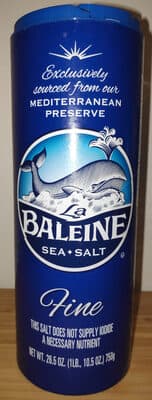
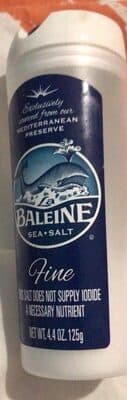
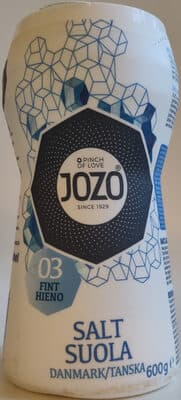
Magnesium carbonate serves multiple functions in food manufacturing. As an anticaking agent, it prevents clumping in powdered products such as table salt, spice blends, and dry seasoning mixes by absorbing moisture and reducing particle adhesion. Its drying properties make it valuable in maintaining product stability and extending shelf life.
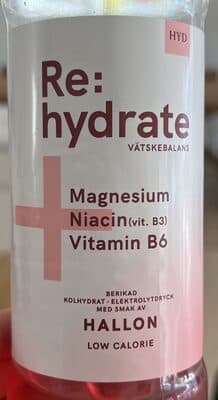
The additive functions as a pH control agent, helping maintain optimal acidity levels in various food products. It also serves as a nutrient supplement, contributing bioavailable magnesium to fortified foods and beverages. In some applications, magnesium carbonate acts as a formulation aid and processing aid, improving manufacturing efficiency and product texture.
Magnesium carbonate is permitted in foods including salt, seasonings, powdered spices, baking products, and certain dietary supplements. It may also be used in tableting operations as a lubricant or release agent.
Safety Assessment
Magnesium carbonate has been affirmed as Generally Recognized as Safe (GRAS) by the FDA for use as a direct food additive. The FDA's GRAS determination reflects established safety data and a long history of safe use in food applications.
Toxicological studies indicate that magnesium carbonate exhibits low acute toxicity. When ingested in typical food additive concentrations, it is poorly absorbed in the gastrointestinal tract and largely excreted unchanged. High oral doses may produce mild laxative effects due to the osmotic properties of unabsorbed magnesium salts, but this is consistent with magnesium's known physiological effects rather than toxicity.
No adverse events related to magnesium carbonate as a food additive have been reported to the FDA. The agency has issued no recalls associated with this ingredient when used according to approved specifications. The absence of reported adverse events supports its safety profile at permitted usage levels.
For individuals with kidney disease or those taking certain medications that affect magnesium metabolism, consuming large amounts of magnesium-containing additives may warrant consideration, though normal food use presents minimal risk. The acceptable daily intake (ADI) for magnesium from all sources is not limited by regulatory agencies, indicating a high margin of safety.
Regulatory Status
In the United States, magnesium carbonate is approved by the FDA as a GRAS substance for food use. It is regulated under 21 CFR 184.1427 when used as a direct food additive. The additive is permitted in specific food categories with defined usage limits to ensure safety and proper function.
The European Food Safety Authority (EFSA) has also reviewed magnesium carbonate and considers it safe for food use. It is listed in the EU as a permitted food additive (E504) in various food categories with established maximum levels.
Regulatory agencies in Canada, Australia, and other jurisdictions similarly permit magnesium carbonate for food use, reflecting international consensus on its safety.
Key Studies
Safety evaluations of magnesium carbonate have focused on absorption and gastrointestinal effects. Research demonstrates that magnesium carbonate is poorly absorbed as an intact compound, with minimal systemic bioavailability when used at food additive levels. The compound's behavior is well-characterized and consistent across multiple studies.
Pharmacological and toxicological databases, including those maintained by the FDA and EFSA, contain comprehensive safety data supporting the GRAS determination. These evaluations considered acute and subchronic toxicity studies, as well as long-term safety data from populations with dietary exposure to magnesium salts.