What is Lipase?
Lipase (CAS Number 9001-62-1) is an enzyme that catalyzes the hydrolysis of lipids (fats) into fatty acids and glycerol. It occurs naturally in many organisms, including plants, animals, and microorganisms. In food production, lipase is typically derived from fungal or bacterial sources such as Aspergillus niger or Rhizopus species. The enzyme functions by breaking down fat molecules during food processing, which can enhance flavor profiles and improve texture in various food products.
Common Uses
Lipase is primarily used in cheese manufacturing, where it plays a critical role in developing characteristic flavors and aromas. During cheese production, lipase breaks down milk fat into free fatty acids, which contribute to the distinctive taste of traditional cheeses like Parmesan and Romano. The enzyme is also employed in:
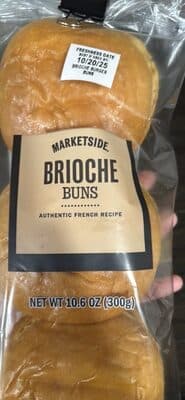
- Baked goods to improve flavor complexity and shelf stability
- Dairy products to enhance taste and mouthfeel
- Meat products for flavor development
- Condiments and sauces
In these applications, lipase functions as both a processing aid and a flavoring agent, reducing production time while improving sensory characteristics without adding foreign substances to the final product.
Safety Assessment
Lipase has an established history of safe use in food applications. According to FDA records, there have been zero adverse events and zero recalls associated with lipase use in food manufacturing. The enzyme is naturally present in the human digestive system, where it aids in fat digestion, making it biologically compatible with human consumption.
Lipase is generally recognized as safe (GRAS) by regulatory authorities in many jurisdictions. The enzyme is biodegradable and does not accumulate in tissues. When used as a processing aid, residual enzyme activity in the final product is typically minimal or undetectable. The safety profile of lipase has been evaluated by food safety organizations worldwide, with no significant toxicological concerns identified.
As a protein-based enzyme, lipase can be denatured through standard food processing methods such as heating, which may reduce enzymatic activity in some applications. This characteristic contributes to its safety profile, as the enzyme can be controlled through conventional processing techniques.
Regulatory Status
While lipase does not currently hold official GRAS status from the FDA, it is permitted for use in food production under FDA regulations as a processing aid and flavoring agent. The enzyme is approved for use in the European Union under EC Regulation 1331/2008 and is listed in the EU's food additive database. Various national food authorities worldwide recognize lipase as acceptable for food use.
The regulatory approach to lipase reflects its long history of use in traditional food production methods, particularly in cheese making, which dates back centuries. Its use is supported by established safety data and its natural presence in foods and the human body.
Key Studies
Scientific literature on lipase demonstrates its efficacy and safety in food applications. Research has documented lipase's role in flavor development during cheese ripening, showing that the enzyme contributes specific aromatic compounds and taste characteristics. Studies on lipase from various microbial sources confirm consistent enzymatic activity and predictable behavior in food systems.
Toxicological evaluations have found no evidence of toxicity, mutagenicity, or allergenicity at levels used in food processing. The enzyme is readily inactivated through standard cooking processes, further supporting its safety profile. Ongoing research continues to optimize lipase use for improved food quality and production efficiency.