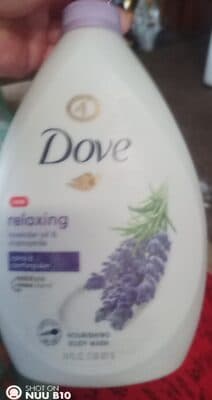
What is Linalool?
Linalool (CAS Number 78-70-6) is an organic compound classified as a monoterpene alcohol. It exists naturally in over 200 plant species, with particularly high concentrations in lavender oil, coriander seeds, basil, and bergamot. The compound has a floral, slightly sweet aroma with subtle herbal undertones. Linalool can be derived from natural sources through extraction or produced synthetically through chemical synthesis. Both natural and synthetic forms are chemically identical.
Common Uses
In the food industry, linalool serves primarily as a flavoring agent and flavor adjuvant. It is used in small quantities to enhance or create specific taste profiles in:
- Beverages (including alcoholic and non-alcoholic drinks)
- Confectionery and candy products
- Baked goods
- Dairy products
- Savory food applications
- Herbal teas and infusions
Beyond food applications, linalool is widely used in cosmetics, personal care products, fragrances, and household cleaners due to its pleasant aromatic properties. Typical food-use concentrations are measured in parts per million (ppm).
Safety Assessment
Linalool has a favorable safety profile based on available scientific evidence. The FDA has received zero adverse event reports associated with linalool, and no food recalls have been attributed to this ingredient. The compound is rapidly metabolized in the human body, with studies indicating it breaks down into inactive metabolites that are readily excreted.
Animal toxicity studies have established high safety margins. Oral LD50 values (lethal dose for 50% of test animals) in rats exceed 4,000 mg/kg body weight, which is considered a relatively high threshold. The European Food Safety Authority (EFSA) has evaluated linalool and determined it acceptable for use as a flavoring substance without establishing a specific numerical acceptable daily intake (ADI) limit, indicating a wide margin of safety.
Skin sensitization is the primary concern identified in scientific literature, typically relevant to cosmetic and topical applications rather than oral consumption in food. Oxidized forms of linalool (which can develop in improperly stored products) have shown greater skin sensitization potential than the compound itself. When used in food at typical concentrations, this concern is minimal.
No genotoxic, reproductive, or developmental toxicity concerns have been identified in available studies. Long-term feeding studies in animals have not revealed significant organ toxicity at relevant dose levels.
Regulatory Status
Linalool's regulatory status varies by jurisdiction. In the United States, while not designated as GRAS (Generally Recognized as Safe) through formal FDA notification, linalool is permitted for use as a flavoring substance under FDA regulations. The FDA maintains linalool on its inventory of approved flavoring substances used in food.
In the European Union, linalool is listed as an approved flavoring substance (FL No. 02.014) and is permitted for use in food applications. It appears on the flavor chemicals list of the International Organization of the Flavor Industry (IOFI) and the Flavor and Extract Manufacturers Association (FEMA).
Canada's regulatory framework also permits linalool as a flavoring ingredient in food products.
Key Studies
Significant research on linalool includes:
- Metabolism studies demonstrating rapid hepatic glucuronidation and excretion
- Acute and subchronic toxicity evaluations confirming high safety margins
- Sensitization and irritation studies (primarily relevant to cosmetics)
- EFSA evaluation reports (2008, 2011) concluding acceptable safety for flavoring use
- Natural occurrence studies documenting presence in commonly consumed foods and beverages
The weight of scientific evidence supports the safety of linalool when used at levels typical for food flavoring applications. Its long history of use in traditional foods and beverages provides additional reassurance regarding safety.