What is L-valine?
L-valine (CAS Number: 72-18-4) is an amino acid belonging to the branched-chain amino acid (BCAA) family, alongside leucine and isoleucine. It is a naturally occurring compound found in protein-containing foods such as meat, dairy, legumes, and grains. L-valine is classified as an essential amino acid, meaning the human body cannot manufacture it and must obtain it through dietary sources. The compound is a white to off-white crystalline powder with a slightly bitter taste, which contributes to its use as a flavoring agent in food formulations.
Common Uses
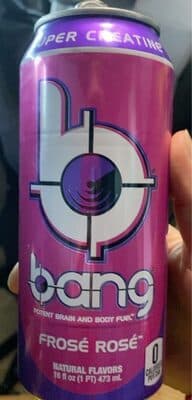
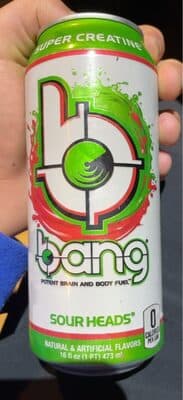
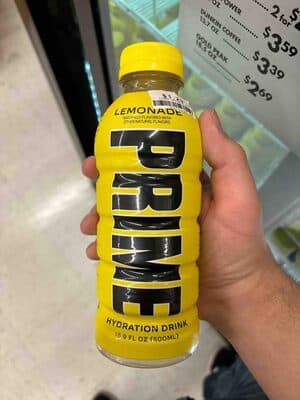
L-valine is utilized in the food industry primarily for two purposes: as a flavoring agent and as a nutrient supplement. In beverages and nutritional products, it enhances flavor profiles while simultaneously providing nutritional value. The compound is commonly found in protein powders, sports nutrition drinks, meal replacement beverages, and dietary supplements targeted at athletes and fitness enthusiasts. Its presence in these products serves dual functionality—improving taste characteristics while delivering an essential amino acid necessary for muscle protein synthesis and nitrogen balance in the body.
Safety Assessment
L-valine has an established history of safe use in food applications. According to FDA records, there have been zero reported adverse events associated with L-valine consumption, and no recalls involving this ingredient have been documented. As a naturally occurring amino acid found abundantly in common foods, it presents a low toxicological concern. The compound undergoes normal metabolic pathways in the human body when consumed in typical dietary amounts.
Toxicological studies conducted on L-valine have not identified significant safety concerns at levels used in food and supplement applications. The ingredient is well-tolerated across populations, including children and adults. However, individuals with certain rare genetic conditions affecting amino acid metabolism, such as maple syrup urine disease (MSUD), may require dietary restrictions on all branched-chain amino acids under medical supervision.
Regulatory Status
Notably, L-valine does not currently hold FDA GRAS (Generally Recognized As Safe) status, despite its long history of safe use in foods. This designation is not indicative of safety concerns but rather reflects that formal GRAS notification has not been submitted to the FDA for this particular ingredient. L-valine is permitted for use in food and dietary supplement products under FDA regulations as a nutrient supplement and flavoring agent. The ingredient is recognized and approved in multiple countries and regulatory jurisdictions globally, including use in the European Union as a food additive and nutrient supplement.
The absence of GRAS status does not restrict its use in food; rather, it exists in a regulatory category that permits its application in foods intended to provide nutritional value. Manufacturers utilizing L-valine in food products must comply with labeling requirements and ingredient declarations as mandated by applicable food regulations.
Key Studies
Extensive scientific literature supports the safety and metabolic role of L-valine. Nutritional studies confirm that L-valine, as a branched-chain amino acid, plays essential roles in muscle protein synthesis, immune function, and metabolic regulation. Research on BCAA supplementation has consistently demonstrated safety profiles when consumed at physiologically relevant levels. The ingredient's use in clinical nutrition formulations, including those for hospitalized patients and those with specific medical conditions, further attests to its safety record.
No studies have identified adverse effects from L-valine at concentrations used in food and beverage applications. The compound's safety is predicated on its role as a normal constituent of dietary protein and its essential status in human nutrition.