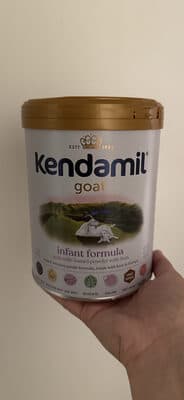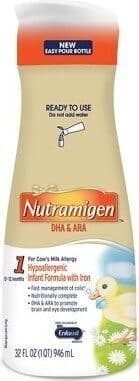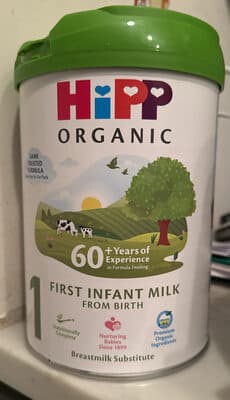
What is L-tryptophan?
L-tryptophan is one of the 20 standard amino acids and is classified as an essential amino acid, meaning the human body cannot synthesize it and must obtain it through dietary sources. It is naturally present in protein-containing foods such as poultry, eggs, cheese, nuts, and seeds. The compound has the molecular formula C11H12N2O2 and CAS number 73-22-3. In supplement form, L-tryptophan is produced through fermentation or chemical synthesis for use in nutritional products and fortified foods.
Common Uses
L-tryptophan is incorporated into food and beverage products primarily as a nutrient supplement to support adequate amino acid intake. It serves multiple physiological roles: it is a precursor to serotonin, a neurotransmitter involved in mood regulation and sleep; it is converted to niacin (vitamin B3), essential for energy metabolism; and it supports immune function and tissue repair. The amino acid is commonly found in protein powders, nutritional bars, fortified beverages, and dietary supplements. Some manufacturers add L-tryptophan to functional foods marketed for mood support or sleep quality, though such health claims are subject to regulatory oversight.
Safety Assessment
L-tryptophan has been used as a food ingredient and dietary supplement for decades with a long history of safe use. The FDA has received zero adverse event reports and zero product recalls related to L-tryptophan according to available data. As an amino acid naturally present in common foods, it is generally recognized as safe when consumed in typical amounts from dietary sources.
Historically, a contamination incident occurred in 1989 involving L-tryptophan supplements from a specific manufacturer in Japan, where a bacterial contamination led to eosinophilia-myalgia syndrome (EMS). It is important to note this was a contamination issue, not an inherent safety concern with L-tryptophan itself. This event led to improved manufacturing quality controls. The incident resulted in a brief FDA restriction on L-tryptophan supplements in 1989, though the ban was partially lifted in 2005 for specific, certified products from registered manufacturers meeting stringent purity standards.
At typical dietary levels, L-tryptophan does not accumulate to toxic levels. Individual tolerance may vary, and excessive supplementation beyond normal dietary amounts may cause gastrointestinal discomfort or interact with certain medications, particularly serotonergic drugs. Individuals taking antidepressants or other serotonin-affecting medications should consult healthcare providers before high-dose supplementation.
Regulatory Status
L-tryptophan does not hold FDA GRAS (Generally Recognized As Safe) designation for food additive use, though it is approved for use in dietary supplements under specific conditions. The FDA regulates L-tryptophan supplements under the Dietary Supplement Health and Education Act (DSHEA), requiring products to meet identity, strength, composition, and purity standards. In the European Union, L-tryptophan is permitted as a food supplement ingredient with appropriate labeling requirements. Different regulatory jurisdictions may have varying approval statuses and permitted uses.
Key Studies
Numerous peer-reviewed studies have examined L-tryptophan's metabolism and physiological effects. Research demonstrates its role in serotonin synthesis and its potential influence on mood and sleep patterns, though results vary depending on dosage and individual factors. Studies on tryptophan metabolism show it is efficiently converted to niacin through the kynurenine pathway. Nutritional research confirms L-tryptophan's importance as an essential amino acid for protein synthesis and various metabolic functions. Current scientific literature supports L-tryptophan's safety when obtained from food sources or properly manufactured supplements at recommended doses.