What is L-lysine?
L-lysine is one of nine essential amino acids that the human body cannot synthesize and must obtain from dietary sources. It is the L-enantiomer form of lysine, meaning it has the biological activity required for human metabolism. L-lysine plays critical roles in protein synthesis, calcium absorption, collagen formation, and immune function. In food applications, L-lysine is added as a free amino acid or incorporated into fortified products to boost nutritional content.
Common Uses
L-lysine is used in the food industry as a nutrient fortification agent in:
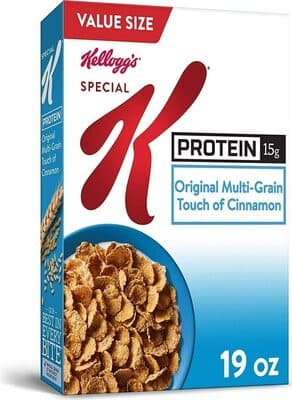
- Cereal and grain products
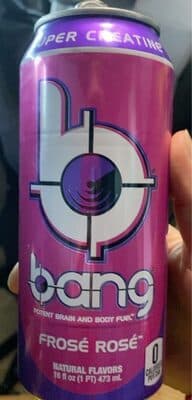
- Nutritional beverages and protein drinks
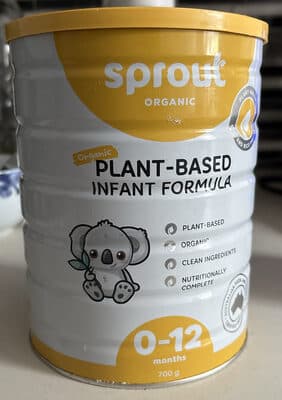
- Infant formulas and pediatric nutrition products
- Animal feed supplementation
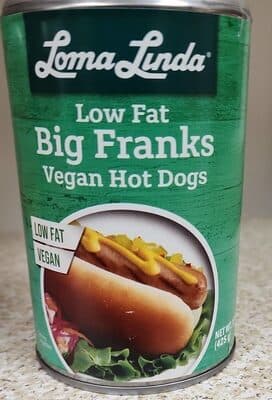
- Functional food products
- Dietary supplements and protein powders
The addition of L-lysine helps balance amino acid profiles in plant-based proteins, which are often naturally low in lysine, making them more nutritionally complete.
Safety Assessment
L-lysine has an extensive safety history as a food and supplement ingredient. The FDA has not formally designated L-lysine as GRAS (Generally Recognized as Safe) for all food applications, though it has been used in foods and supplements for decades. The European Food Safety Authority (EFSA) recognizes L-lysine as safe when used as a food additive in specified applications.
The lack of adverse events reported to the FDA and zero recalls associated with L-lysine indicate a strong safety profile in commercial use. Scientific literature supports the safety of L-lysine at typical dietary exposure levels. Toxicological studies have shown no significant safety concerns at levels encountered in fortified foods.
As an amino acid naturally present in high-protein foods, L-lysine consumed through food fortification falls within physiologically normal exposure ranges. The body regulates amino acid levels through absorption and excretion mechanisms, providing additional safety margins.
Regulatory Status
L-lysine is regulated differently across jurisdictions:
- **United States**: Not formally GRAS-affirmed by FDA for all food categories, but permitted in specific applications including infant formula and dietary supplements. It can be used under FDA regulations for nutrient supplementation.
- **European Union**: Approved as a food additive (E641) for specific uses in foods for particular nutritional purposes.
- **China**: Permitted as a food nutrient fortification agent.
- **International Codex Alimentarius**: Recognized as an acceptable nutrient for food fortification.
The regulatory distinction reflects that L-lysine, while safe, requires specific authorization and labeling as a fortification agent rather than blanket approval across all food categories.
Key Studies
Research on L-lysine safety and efficacy includes:
- Studies on amino acid fortification of staple grains demonstrate improved nutritional quality without safety concerns (Journal of Nutrition, peer-reviewed literature).
- Long-term supplementation studies in humans show L-lysine is well-tolerated at supplemental doses, with minor gastrointestinal effects only at very high intakes (>3g daily).
- Infant formula safety assessments confirm appropriate amino acid profiles including L-lysine support normal growth and development.
- EFSA evaluations of L-lysine for food fortification found no safety concerns at proposed use levels.
The cumulative body of evidence supports L-lysine as a safe nutrient ingredient at levels used in food fortification and supplementation.