What is Kelp?
Kelp refers to large brown algae (seaweed) from the order Laminariales, primarily harvested from cold ocean waters. As a food additive, kelp extract or kelp powder functions as a natural flavoring agent that imparts umami characteristics—the savory taste associated with glutamates and nucleotides. Kelp has been consumed as food in Asian cuisines for centuries and is recognized globally as a culinary ingredient with established flavor properties.
Common Uses
Kelp is utilized in the food industry as a flavoring adjuvant in several applications:
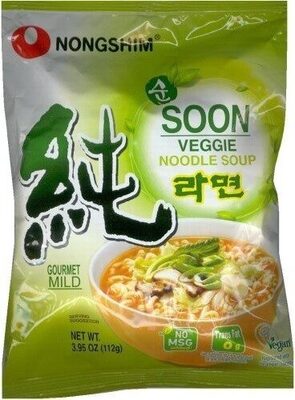
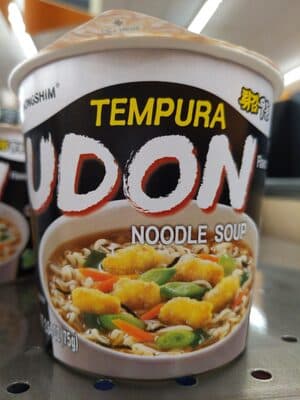
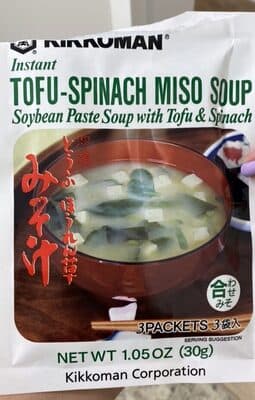
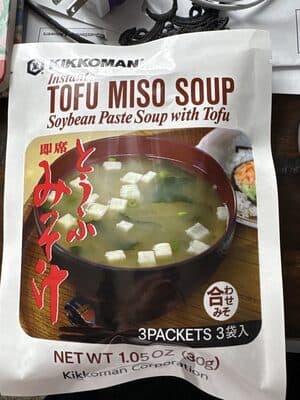
- Soup broths and stocks
- Seasoning blends and salt alternatives
- Savory snack foods
- Processed meat and seafood products
- Vegetable-based meat substitutes
- Condiments and sauces
The additive is valued for its ability to enhance savory flavor profiles without adding significant sodium or artificial flavoring compounds. Kelp's natural mineral content, including iodine, potassium, and calcium, contributes to its appeal as a "clean label" ingredient.
Safety Assessment
Kelp as a food ingredient has a long history of safe use in traditional cuisines, particularly in Japan, Korea, and other East Asian countries where it has been consumed for thousands of years. The FDA has received zero adverse event reports associated with kelp as a food additive, and no recalls have been issued.
Key safety considerations include:
**Iodine Content**: Kelp naturally contains high levels of iodine, which can vary significantly based on source and processing. Excessive iodine intake may affect thyroid function in sensitive individuals, though this is primarily a concern with very high consumption levels.
**Heavy Metals**: Like most marine organisms, kelp can accumulate trace metals from seawater, including arsenic, cadmium, and lead. However, typical food use levels present minimal exposure risk. Quality control and sourcing from unpolluted waters mitigates this concern.
**Allergenicity**: Kelp is not a major allergen, though individuals with shellfish or iodine sensitivities should consult medical professionals regarding consumption.
**Microbial Safety**: Proper processing, including drying and any heat treatment, ensures microbial safety comparable to other food ingredients.
Regulatory Status
Kelp does not hold FDA GRAS (Generally Recognized as Safe) status as a food additive. However, it is permitted for use in foods under FDA regulations as a flavoring substance derived from natural sources. It is not classified as a prohibited ingredient in major regulatory jurisdictions including the FDA, European Food Safety Authority (EFSA), or other international food safety bodies.
In the European Union, kelp-derived ingredients fall under natural flavoring provisions and are permitted for use in food products. Japan and South Korea, where kelp consumption is culturally established, maintain safety standards for kelp products through their respective food safety agencies.
Key Studies
Scientific literature on kelp's safety as a food ingredient is limited compared to synthetic additives, primarily because its long history of use in traditional diets reduces regulatory urgency. Available research indicates:
- Traditional use studies document the safety profile of kelp in Asian populations with centuries of consumption history
- Nutritional analysis confirms kelp's composition of naturally occurring compounds
- Processing studies demonstrate effective microbial reduction through standard food manufacturing practices
- Iodine bioavailability studies confirm variable iodine content dependent on source, supporting the need for labeled disclosure when kelp products are concentrated
The absence of adverse event reports and recalls, combined with extensive historical use data, provides substantial evidence supporting the safety of kelp as a food flavoring agent when used at typical culinary concentrations.