What is Inositol?
Inositol (CAS Number 87-89-8) is a six-carbon sugar alcohol (cyclohexane polyol) that occurs naturally in plant and animal tissues. While sometimes classified as a B vitamin despite not meeting strict vitamin criteria, inositol is an important nutrient that plays roles in cellular function and signaling. The human body can synthesize inositol endogenously from glucose, and it is also obtained through dietary sources including grains, legumes, nuts, and seeds.
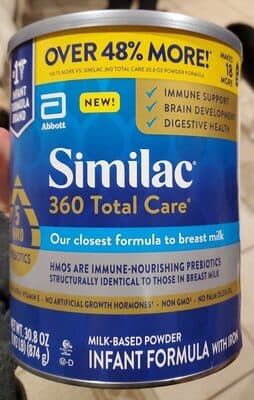
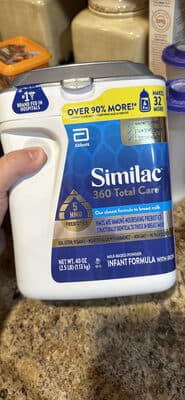
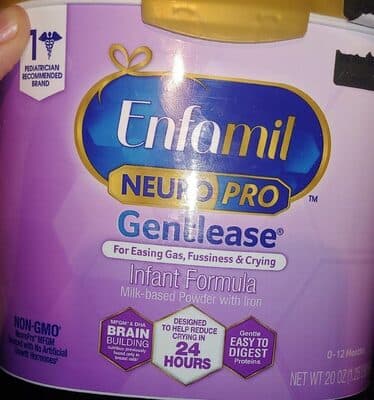
Inositol exists in several forms, with myo-inositol being the most abundant and biologically active form. It is used in the food industry as a nutrient additive to enhance the nutritional profile of various products, particularly infant formulas, dietary supplements, and fortified beverages.
Common Uses
Inositol is primarily used as a nutrient supplement in:
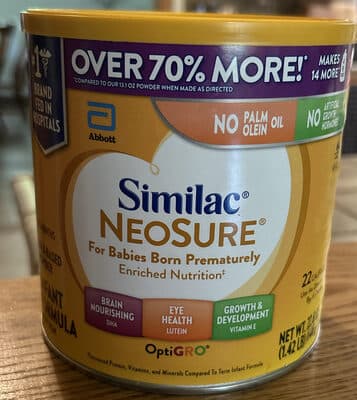
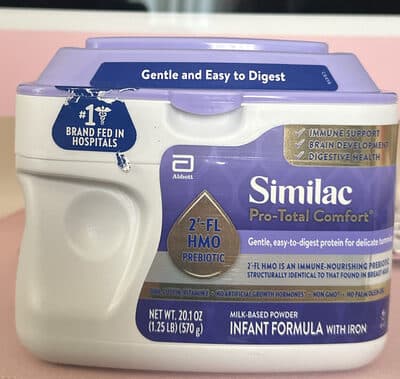
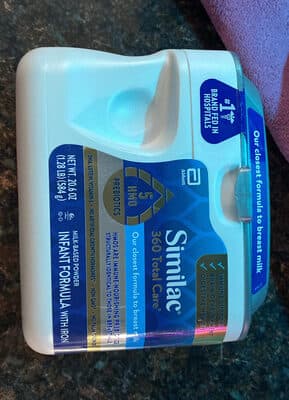
- Infant formulas and pediatric nutritional products
- Dietary supplements and functional foods
- Fortified cereals and grain products
- Sports nutrition and energy products
- Plant-based milk alternatives
The additive is valued for its role in supporting cell membrane structure and function, as well as its involvement in secondary messenger systems within cells. Typical usage levels in food products are modest, reflecting the amounts naturally found in conventional diets.
Safety Assessment
Inositol has an established safety profile supported by multiple lines of evidence. The FDA has designated inositol as Generally Recognized as Safe (GRAS) for use in food applications, meaning it is accepted by qualified experts as safe under intended conditions of use.
The FDA Adverse Events Reporting System contains zero reported adverse events associated with inositol, and there are no FDA recalls linked to inositol-containing products. This absence of reported safety concerns reflects both its natural occurrence in foods and its low toxicity profile.
Scientific literature indicates that inositol is well-tolerated at dietary levels. Studies examining inositol supplementation have generally found it to be safe with minimal side effects at typical intake levels. The European Food Safety Authority (EFSA) has similarly evaluated inositol and supports its safety in food applications.
Regulatory Status
Inositol's regulatory status is well-established globally:
- **United States**: FDA GRAS status; permitted for use in dietary supplements and food fortification
- **European Union**: Approved as a food additive and nutrient
- **Codex Alimentarius**: Listed as an acceptable nutrient supplement
The GRAS designation allows manufacturers flexibility in formulating products without pre-market approval requirements, streamlining the regulatory process while maintaining safety oversight through FDA monitoring systems.
Key Studies
Research on inositol has focused primarily on its nutritional significance and biochemical roles. Studies in medical literature have examined inositol's potential benefits in various health contexts, though these fall outside the scope of food additive safety assessment.
Nutritional studies confirm that dietary inositol contributes to meeting the body's requirements, with typical dietary intake from conventional foods ranging from 500-2,000 mg daily depending on diet composition. Fortification studies demonstrate that inositol addition to foods effectively increases bioavailable inositol content without affecting product stability or sensory characteristics.
No studies have identified significant toxicological concerns at levels used in food fortification or supplementation. The extensive history of inositol use in infant formulas—a product category subject to rigorous safety standards—provides additional evidence of safety in vulnerable populations.