What is Garlic Extract?
Garlic extract is a concentrated preparation derived from garlic (Allium sativum) bulbs through various extraction methods including solvent extraction, maceration, or distillation. The resulting product contains volatile compounds, sulfur-containing molecules, and flavor compounds that provide the characteristic garlic taste and aroma. Garlic extract is classified as a flavoring agent and is identified by CAS Number 8008-99-9.
Common Uses
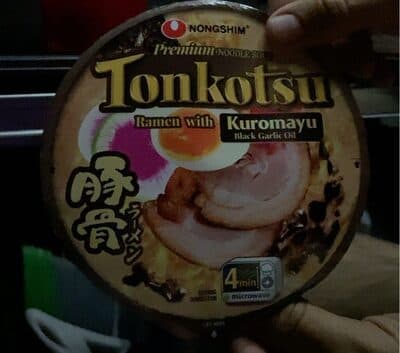
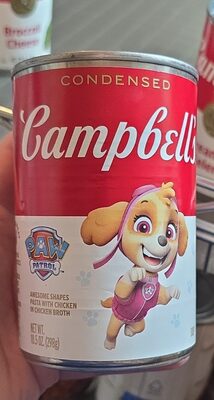
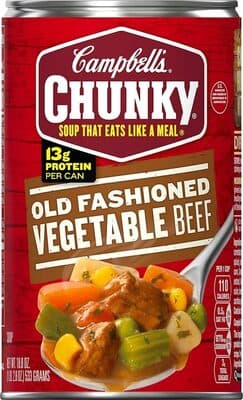
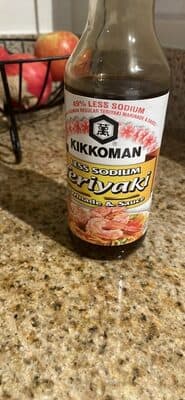
Garlic extract is widely used in the food industry as a flavoring agent and taste adjuvant. Common applications include:
- Savory snack foods and potato chips
- Processed meat products
- Soups and broth bases
- Salad dressings and condiments
- Seasoning blends and spice mixtures
- Ready-to-eat meal components
- Savory beverages
- Canned and frozen vegetables
The extract provides concentrated garlic flavor while offering convenience in standardization compared to fresh garlic. It is used in minimal quantities to achieve desired flavor profiles.
Safety Assessment
Garlic extract has a long history of culinary use and is derived from a food that has been consumed for thousands of years. The FDA has received 13 adverse event reports associated with garlic extract and identified 3 product recalls involving this ingredient.
These reports typically involve allergic reactions or digestive sensitivities in susceptible individuals. Garlic-related adverse events are generally consistent with known reactions in people with garlic sensitivity or allergy, which affects a small percentage of the population. Such reactions may include gastrointestinal symptoms, dermatological responses, or oral irritation.
The extract's safety profile is complicated by the fact that garlic extract has not received GRAS (Generally Recognized As Safe) status from the FDA, despite garlic itself being a common food ingredient. This regulatory gap does not necessarily indicate safety concerns but rather reflects classification and regulatory history. Many traditionally used food ingredients have not undergone formal GRAS review.
For individuals without garlic sensitivity, garlic extract is generally considered safe at levels used in food flavoring. However, individuals with documented garlic allergy or sensitivity should avoid products containing garlic extract.
Regulatory Status
Garlic extract does not have FDA GRAS status, meaning it has not been formally affirmed as "generally recognized as safe" through the FDA's official process. However, it is permitted for use as a flavoring agent under FDA regulations for foods.
The European Union lists garlic extract (from garlic bulbs) among approved flavoring substances. Various regulatory bodies internationally recognize garlic-derived products as acceptable food ingredients given garlic's long food use history.
The three FDA recalls associated with garlic extract likely relate to allergen labeling issues or contamination concerns rather than inherent safety problems with the extract itself.
Key Studies
Garlic and garlic extracts have been extensively studied for various biological properties. Scientific literature documents that garlic contains compounds such as allicin, diallyl sulfides, and various organosulfur compounds. Most research has focused on potential health benefits rather than food additive safety at typical usage levels.
Allergenicity studies confirm that garlic can trigger IgE-mediated allergic reactions in sensitive individuals, though such allergies are relatively uncommon. Digestive sensitivity to garlic is more commonly reported than true IgE-mediated allergy.
The available safety data does not indicate systemic toxicity concerns at levels used in food flavoring, though individual sensitivity remains a consideration for a small population segment.