What is Garlic?
Garlic is a flavoring ingredient extracted from or derived from the bulb of Allium sativum, a bulbous plant native to Central Asia and now cultivated worldwide. The additive form includes garlic powder, garlic extract, garlic oil, and other concentrated preparations used to impart garlic flavor to processed foods. Garlic contains volatile compounds including allicin, diallyl sulfides, and other organosulfur compounds that provide its distinctive pungent aroma and savory taste profile.
Common Uses
Garlic flavoring is used extensively across the food industry in products including:
- Seasoning blends and spice mixes
- Processed meat products (sausages, bacon flavoring)
- Savory snacks (chips, crackers, popcorn seasonings)
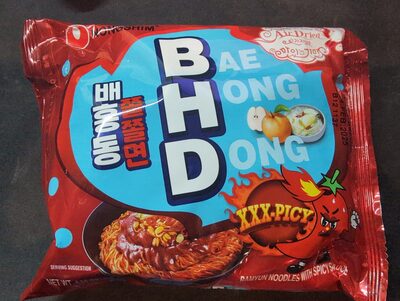
- Sauces and condiments
- Soups and broth products
- Cheese and dairy products
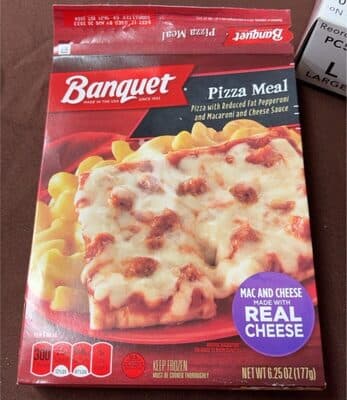
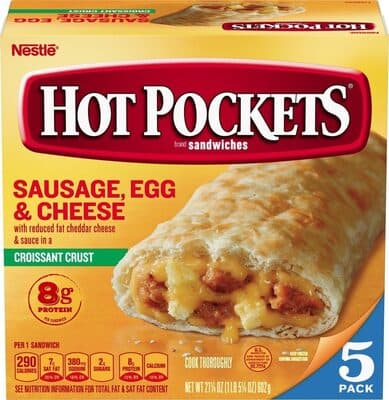
- Ready-to-eat meals and frozen foods
- Vegetable and grain preparations
The ingredient is valued for its ability to provide authentic garlic flavor in products where fresh garlic is impractical due to shelf-life, processing, or consistency concerns.
Safety Assessment
Garlic has an extensive history of safe use both as a food and flavoring agent. The FDA has classified garlic as Generally Recognized As Safe (GRAS) for use as a flavoring agent, reflecting its long culinary history and safety profile. The agency has received zero adverse event reports associated with garlic flavoring, and there have been no FDA recalls attributed to garlic as an ingredient.
Garlic is consumed globally in large quantities as a culinary ingredient and has been studied extensively for both nutritional and health-related properties. Scientific literature supports its safety profile when used as a food additive in normal amounts. While garlic can have biological activity (such as mild anticoagulant effects at very high intakes), these occur at consumption levels far exceeding typical food additive use.
Individuals with specific allergies or sensitivities to garlic are rare but can experience reactions ranging from oral irritation to allergic responses. Persons taking certain medications (particularly blood thinners) who significantly increase garlic consumption should consult healthcare providers, though normal dietary levels are generally not problematic.
Regulatory Status
Garlic holds GRAS status in the United States under 21 CFR §182.10 (spices and other natural seasonings and flavorings). This designation is based on scientific evidence and a long history of safe consumption. The European Food Safety Authority (EFSA) also recognizes garlic as safe for food use.
The ingredient is approved for use in various food categories without specific quantity restrictions, reflecting its established safety record. Garlic flavoring must be properly identified on ingredient labels when used in food products, consistent with FDA labeling requirements.
Key Studies
Research on garlic has been extensive due to its culinary and traditional medicinal importance. Studies examining garlic's safety profile have consistently shown it to be well-tolerated at food-use levels. The organosulfur compounds in garlic have been investigated for various biological properties, but such effects occur at concentrations substantially higher than would be encountered through food additive use.
Toxicological assessments have determined that garlic and its extracts present no safety concerns at anticipated levels of food use. The compound's GRAS designation reflects consensus among qualified experts based on scientific evidence of safety.