What is Folic Acid?
Folic acid (CAS Number: 59-30-3) is the synthetic form of folate, a water-soluble B-vitamin (vitamin B9). Unlike naturally occurring folate found in foods like leafy greens, legumes, and asparagus, folic acid is chemically synthesized and more stable during food processing and storage. The body metabolizes folic acid into its active forms, which are essential for nucleotide synthesis, DNA replication, and cell division.
Common Uses
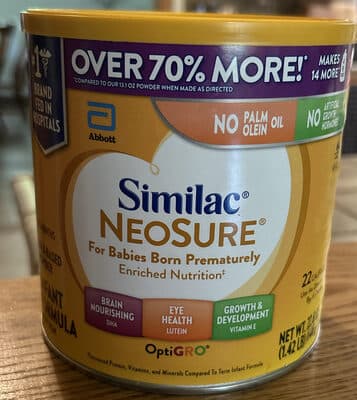
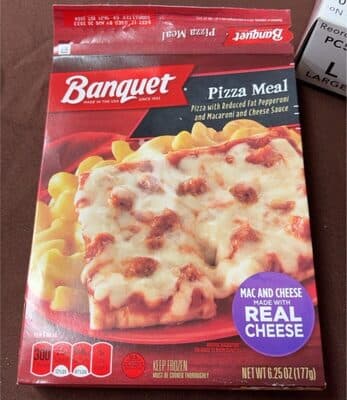
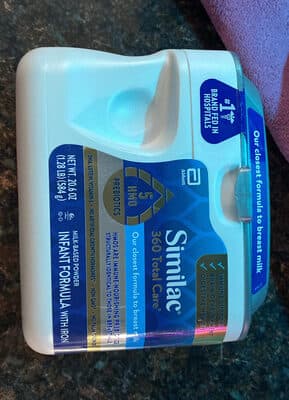
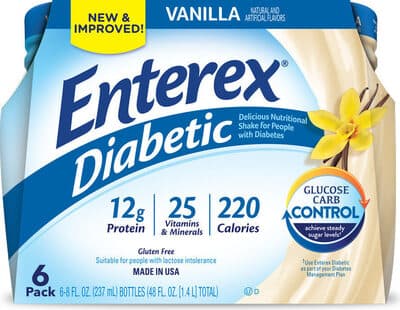
Folic acid is primarily used in food fortification programs and dietary supplements. In many countries, including the United States, folic acid is added to grain products such as flour, bread, cereals, and pasta. This fortification strategy aims to increase population-level folate intake and reduce the risk of neural tube defects in newborns. The FDA mandated folic acid fortification of enriched grain products in 1996. Additionally, folic acid is found in prenatal vitamins, general multivitamins, and standalone supplements. It is also used in some functional foods and beverages marketed for nutritional enhancement.
Safety Assessment
Folic acid has been extensively studied and is recognized as safe by the FDA, with a Generally Recognized As Safe (GRAS) status. The FDA has recorded zero adverse events specifically attributed to folic acid in its database. The additive does not have an established tolerable upper intake level by the FDA, though the National Institutes of Health recommends an upper limit of 1,000 micrograms per day for adults from fortified foods and supplements (not including naturally occurring folate).
The 130 FDA recalls associated with folic acid are not indicative of inherent safety issues with the additive itself, but rather reflect recalls of multi-ingredient products containing folic acid due to other contamination, labeling, or manufacturing concerns. Analysis of these recalls typically shows contamination with pathogens or undeclared allergens, not toxicity of folic acid.
The European Food Safety Authority (EFSA) has also assessed folic acid and concluded it is safe at recommended intake levels. Some research has examined whether excessive folic acid supplementation could mask vitamin B12 deficiency symptoms, though this is a clinical consideration rather than a direct toxicity concern.
Regulatory Status
Folic acid is approved for use as a nutrient supplement in food in the United States under FDA regulations (21 CFR 182.5375). It is not classified as a food additive in the traditional sense but as a nutrient ingredient. The GRAS determination allows its use in a variety of food categories including grain products, cereals, and dietary supplements.
Globally, folic acid fortification is permitted and encouraged in numerous countries. The World Health Organization supports folic acid fortification as a public health strategy to prevent neural tube defects and address folate deficiency, particularly in populations with lower natural folate intake.
Key Studies
Large-scale epidemiological studies have demonstrated that folic acid fortification programs significantly reduce the prevalence of neural tube defects like spina bifida and anencephaly. The mandatory grain fortification program in the United States has been associated with approximately a 25-50% reduction in neural tube defects since its implementation.
Meta-analyses examining folic acid supplementation safety have found no evidence of carcinogenicity or mutagenicity at recommended intake levels. Long-term studies in populations consuming fortified foods have not identified unexpected adverse effects. Research on folic acid metabolism confirms that the body can effectively utilize synthetic folic acid, though conversion efficiency varies among individuals based on genetic factors.