What is Ferrous Fumarate?
Ferrous fumarate (CAS Number 141-01-5) is a chemical compound consisting of ferrous iron (Fe2+) bound to fumaric acid. It is a reddish-brown powder that serves as a bioavailable source of iron for human consumption. The fumarate form of iron is one of several iron compounds used in food fortification and nutritional supplementation, chosen for its stability and absorption characteristics in the digestive system.
Common Uses
Ferrous fumarate is primarily used as a nutrient supplement in food fortification programs and dietary supplements. Common applications include:
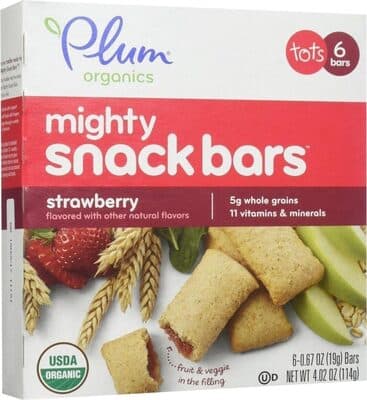
- Fortification of breakfast cereals and grain products
- Infant formula and nutritional supplements for children
- Dietary supplements addressing iron deficiency
- Fortified flour and baking products in some regions
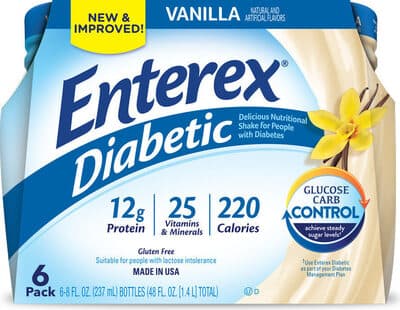
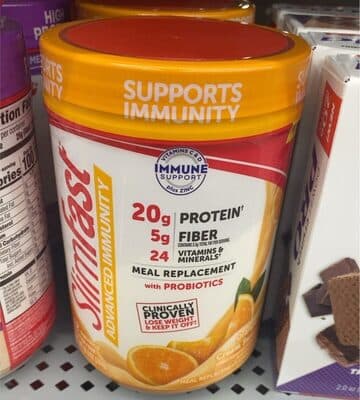
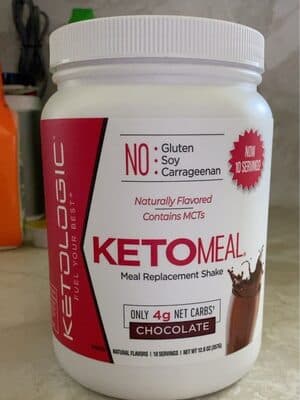
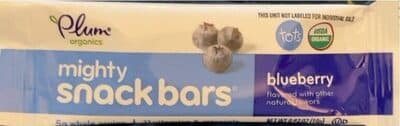
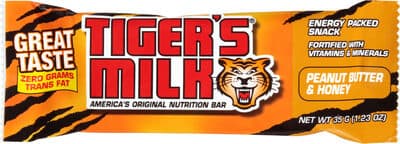
- Nutritional beverages and protein products
The additive is particularly valued in public health programs targeting populations at risk for iron deficiency anemia, including pregnant women, young children, and individuals in developing countries.
Safety Assessment
Ferrous fumarate has a well-established safety profile when used appropriately as a nutrient supplement. The FDA has not classified this additive as GRAS (Generally Recognized As Safe) status, meaning it does not have blanket approval; however, it is approved for specific uses in food fortification under FDA regulations. The compound is recognized internationally and approved by food safety authorities in numerous countries.
According to FDA records, there have been zero reported adverse events associated with ferrous fumarate when used as intended in food fortification. Similarly, there have been zero product recalls specifically attributed to ferrous fumarate as an ingredient, demonstrating a strong safety record in commercial food applications.
The primary consideration with iron supplementation generally is that excessive iron intake can be harmful, particularly in individuals with iron overload conditions such as hemochromatosis. However, iron fortification at levels used in food products is designed to address deficiency rather than create excess intake in normal populations. Iron from fortified foods contributes to overall dietary iron intake, which should be considered within the context of total daily consumption.
Gastrointestinal effects such as constipation, nausea, or dark stools may occur with high-dose iron supplementation, though these effects are not specific to the fumarate form. The bioavailability of ferrous fumarate is considered moderate to good compared to other iron compounds, making it an efficient choice for fortification purposes.
Regulatory Status
Ferrous fumarate is approved for use in food fortification in the United States under FDA regulations (21 CFR 182.8753). It is listed among approved sources of iron for nutrient supplementation in foods. The European Food Safety Authority (EFSA) has also evaluated iron compounds for food fortification purposes.
Regulatory approval exists in the European Union, Canada, Australia, and most other developed nations for use in food fortification. Maximum levels and permitted food categories vary by jurisdiction, reflecting different dietary patterns and nutritional priorities across regions.
Key Studies
Research on ferrous fumarate has primarily focused on bioavailability and efficacy in treating iron deficiency anemia. The compound has been studied extensively in clinical nutrition research comparing various iron supplementation forms. Studies indicate that ferrous fumarate is effectively absorbed and utilized by the body for hemoglobin synthesis and iron stores maintenance.
Public health data from countries with iron fortification programs using ferrous fumarate demonstrates significant reductions in iron deficiency anemia prevalence when such programs are implemented and maintained. The WHO and international nutrition organizations recognize iron fortification as an important public health strategy when conducted appropriately.