What is Ferric Phosphate?
Ferric phosphate, with CAS number 10045-86-0, is an inorganic iron compound composed of iron in the ferric (+3) oxidation state bonded to phosphate groups. It appears as a white to pale yellow powder and is poorly soluble in water. As a nutrient supplement, ferric phosphate serves as a source of dietary iron, an essential mineral required for oxygen transport, energy production, and immune function in the human body.
Common Uses
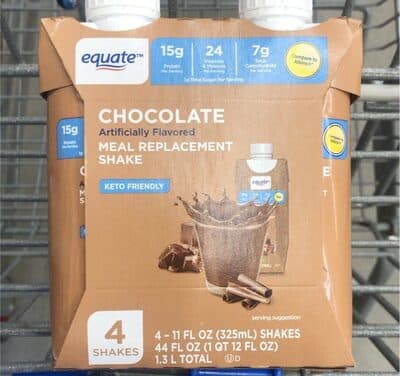
Ferric phosphate is incorporated into a variety of fortified food products as an iron source, including breakfast cereals, grain products, flour, and dietary supplements. It is chosen for food fortification because it provides bioavailable iron while offering favorable stability characteristics in food matrices. The compound is particularly valued in regions where iron deficiency anemia is prevalent, as it helps meet recommended dietary allowances for iron intake. Food manufacturers also select ferric phosphate because it typically causes minimal color or flavor changes compared to some alternative iron compounds.
Safety Assessment
Ferric phosphate has not been formally approved by the FDA as a GRAS (Generally Recognized as Safe) substance for food use, which means it has not undergone the standard GRAS notification process. However, the FDA's adverse event database contains zero reported adverse events associated with ferric phosphate, and there are no FDA recalls linked to this additive. Iron compounds used in food fortification are generally recognized as safe when used at appropriate levels to achieve nutritional goals without exceeding upper tolerable intake levels.
The safety profile of ferric phosphate reflects broader experience with iron supplementation. Iron is an essential nutrient with established recommended dietary allowances, and excessive iron intake can potentially cause gastrointestinal distress or, in rare cases with chronic overconsumption, iron overload. However, the quantities used in food fortification are designed to be nutritionally beneficial rather than excessive. Individual tolerance may vary, and persons with iron metabolism disorders should consult healthcare providers regarding iron supplementation.
Regulatory Status
While ferric phosphate lacks FDA GRAS status, it is permitted for use in food fortification in many jurisdictions. The regulatory approach to iron compounds in foods varies internationally. The European Food Safety Authority (EFSA) has evaluated various iron compounds for food fortification purposes. In the United States, the FDA regulates iron compounds used in food fortification, though the specific approval pathway may differ from GRAS designation. Ferric phosphate may be used under FDA regulations permitting iron nutrient supplementation in certain food categories, particularly grain products and dietary supplements.
Countries with active iron deficiency concerns often maintain permissive regulations for iron fortification compounds, including ferric phosphate, as part of public health nutritional strategies. Manufacturers using ferric phosphate must comply with labeling requirements that accurately declare iron content and ensure the additive meets compositional standards for purity and identity.
Key Studies
Scientific literature on ferric phosphate focuses on its bioavailability—the extent to which the body can absorb and utilize the iron it provides. Research indicates that ferric phosphate provides bioavailable iron suitable for nutritional fortification, though bioavailability can be influenced by food matrix composition, pH, and the presence of enhancing or inhibiting factors. Studies on iron compound bioavailability generally support the use of ferric phosphate as an effective fortification ingredient.
The absence of reported adverse events and recalls in FDA databases, combined with extensive global use in food fortification programs, suggests ferric phosphate is well-tolerated at intended fortification levels. Ongoing nutritional research continues to evaluate optimal iron compound selection and fortification strategies for different populations.