What is Disodium EDTA?
Disodium EDTA (ethylenediaminetetraacetic acid, disodium salt) is a synthetic chelating compound with the CAS number 139-33-3. It functions as a flavoring agent and adjuvant in food applications, meaning it supports flavor stability rather than directly adding flavor. The compound works by binding divalent metal ions such as iron, copper, and zinc that can otherwise catalyze oxidative reactions and cause flavor degradation, discoloration, or rancidity in food products.
Common Uses
Disodium EDTA is utilized in a variety of processed food and beverage applications where metal-catalyzed degradation poses a concern. Common uses include:
- Canned vegetables and legumes
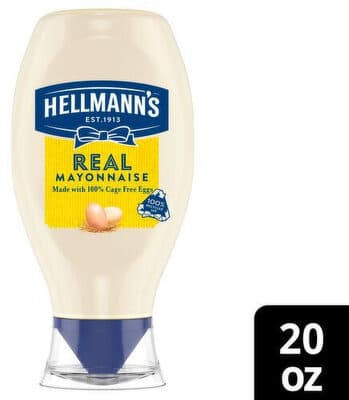
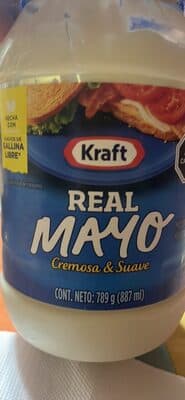
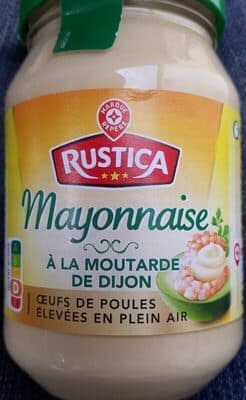
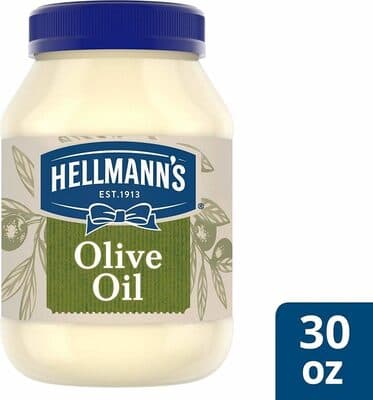
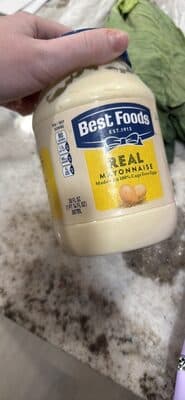
- Salad dressings and mayonnaise
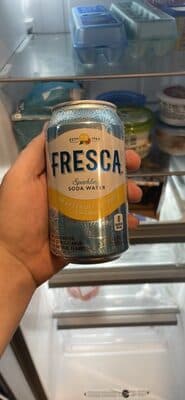
- Soft drinks and beverages
- Canned fish and seafood products
- Processed meat products
- Sandwich spreads
- Beer and other alcoholic beverages
The additive is typically used at very low concentrations, generally recognized as safe levels that maintain product stability without accumulating to concerning amounts in the human diet.
Safety Assessment
Disodium EDTA has been extensively evaluated for safety by regulatory authorities. The FDA has affirmed the Generally Recognized as Safe (GRAS) status of this additive for its intended uses in food. According to FDA records, there have been zero reported adverse events associated with disodium EDTA consumption from food sources, and zero product recalls have been issued due to safety concerns related to this ingredient.
Toxicological studies have examined disodium EDTA's absorption, distribution, and excretion in the human body. Research indicates that the compound is poorly absorbed in the gastrointestinal tract and is largely excreted unchanged. Animal studies at various dose levels have not demonstrated significant organ toxicity, reproductive effects, or carcinogenic potential at the levels relevant to food use.
The low bioavailability of disodium EDTA when consumed through food is a key safety factor. Because it remains largely in the digestive tract and is not substantially absorbed, systemic exposure is minimal compared to pharmaceutical applications where EDTA chelation therapy is administered parenterally under medical supervision.
Regulatory Status
Disodium EDTA is approved for use in food by the FDA under 21 CFR 182.3669 (GRAS affirmation) and 21 CFR 182.6669 (prior sanctioned use). It is listed as a permitted flavoring adjuvant in the Electronic Code of Federal Regulations.
The European Food Safety Authority (EFSA) has also reviewed EDTA compounds and established acceptable intake levels. Disodium EDTA is approved for use in certain food categories under EU Regulation 1333/2008 with specific maximum use levels depending on the food application.
International regulatory bodies, including Codex Alimentarius, recognize disodium EDTA as an acceptable food additive when used in accordance with good manufacturing practices.
Key Studies
Multiple safety assessments have evaluated disodium EDTA:
- Acute toxicity studies show low oral toxicity with LD50 values significantly above food-use levels
- Subchronic and chronic feeding studies in animals demonstrated no adverse effects at doses relevant to human dietary exposure
- Absorption and excretion studies confirm that dietary disodium EDTA is poorly absorbed and rapidly excreted
- Safety margins between actual food use levels and those showing no observable adverse effects in animal studies are substantial
The comprehensive safety database, combined with the GRAS affirmation and zero adverse event reports, supports the conclusion that disodium EDTA is safe for its intended use as a flavoring adjuvant in food products when used in accordance with regulatory specifications.