What is Disodium Inosinate?
Disodium inosinate, also known as disodium 5'-inosinate or IMP (inosinate monophosphate), is a naturally occurring nucleotide compound with the CAS number 4691-65-0. It is derived from inosinic acid and contains two sodium ions in its molecular structure. This additive occurs naturally in small quantities in foods like meat, fish, mushrooms, and yeast, and can be manufactured through fermentation processes using microorganisms.
Common Uses
Disodium inosinate functions primarily as a flavor enhancer and umami intensifier in the food industry. It is commonly used in:
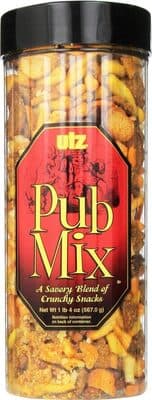
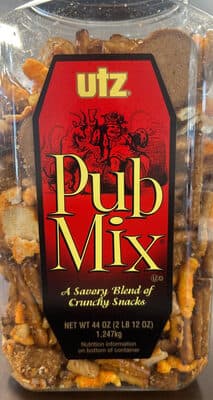
- Savory snack foods and potato chips
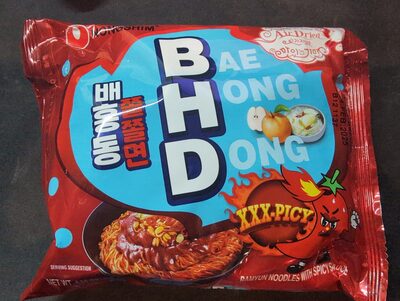
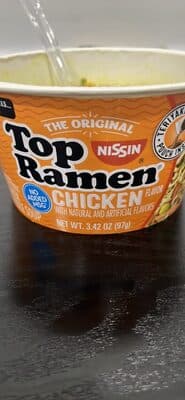
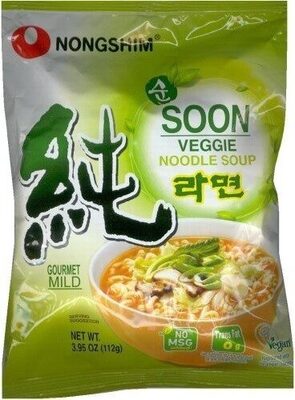
- Instant noodles and soup products
- Cured and processed meats
- Cheese and dairy products
- Seasonings and flavor compounds
- Bouillon cubes and broths
- Sauces and condiments
The compound is frequently used in combination with monosodium glutamate (MSG), as the two additives produce a synergistic effect that enhances umami flavor more effectively than either ingredient alone. This combination allows manufacturers to achieve desired taste profiles while potentially using lower total amounts of sodium-based flavor enhancers.
Safety Assessment
Disodium inosinate has been designated as Generally Recognized As Safe (GRAS) by the U.S. Food and Drug Administration, indicating it is considered safe for use in food at intended levels. The additive is also approved by the European Food Safety Authority (EFSA) for use in the European Union.
According to FDA records, there have been 2 adverse events associated with disodium inosinate reported to the agency's adverse event reporting system. These low numbers reflect the extensive safety history of the compound. Additionally, 17 recalls involving products containing this ingredient have been documented in FDA records; however, these recalls typically address other safety concerns (such as allergen labeling or contamination) rather than the safety of inosinate itself.
Studies examining the safety profile of disodium inosinate have not identified significant toxicological concerns at levels used in food. The compound is readily metabolized in the body to inosine and further to other nucleotide metabolites that are normally present in human metabolism.
Individuals with gout or certain genetic conditions affecting purine metabolism (such as Lesch-Nyhan syndrome) may wish to consult healthcare providers about purine-containing additives, as inosinate is a purine nucleotide. However, the levels present in food are generally considered acceptable for the general population.
Regulatory Status
Disodium inosinate is approved for use in numerous countries and regions:
- **United States**: GRAS status with FDA approval
- **European Union**: Approved as food additive E631
- **Japan**: Approved and widely used
- **Canada**: Permitted for use in specific food categories
- **Australia/New Zealand**: Approved under Food Standards
Labeling requirements vary by jurisdiction. In the EU, it must be declared as "inosinate" or "E631" on ingredient lists. In the U.S., it is typically listed as "disodium inosinate" or "inosinate."
Key Studies
Limited human clinical studies have specifically examined disodium inosinate in isolation, as it is typically used as part of flavor-enhancing systems. Existing safety data comes from:
- Metabolism studies showing rapid conversion to naturally occurring compounds
- Acute toxicity studies in animal models showing no significant effects at high doses
- Long-term feeding studies in rodents demonstrating acceptable safety margins
- Historical use data from decades of consumption in Asian cuisine and processed foods
The compound's safety profile is supported by its natural occurrence in foods and its structural similarity to compounds normally present in human metabolism. The EFSA and FDA have reviewed available safety data and found no evidence of genotoxicity, carcinogenicity, or reproductive toxicity at intended use levels.