What is Cornstarch?
Cornstarch, also known as corn flour or maize starch, is a fine white powder derived from the endosperm of corn (maize) kernels. It is composed almost entirely of carbohydrates, primarily two glucose polymers: amylose (linear chains) and amylopectin (branched chains). The extraction process involves wet-milling corn kernels to separate the starch from other kernel components like proteins, oils, and fiber. The resulting product is nearly pure starch with minimal nutritional complexity.
Common Uses
Cornstarch is one of the most widely used food additives globally due to its versatility and functional properties. In the food industry, it functions as:
**Thickening and Stabilizing Agent**: Cornstarch absorbs water and gelatinizes when heated, creating viscosity in sauces, gravies, puddings, and soups. This property makes it essential in processed foods requiring specific texture profiles.
**Anticaking Agent**: In powdered products like powdered sugar, spice blends, and dry mixes, cornstarch prevents clumping and moisture absorption, maintaining flowability and usability.
**Texturizer**: It modifies mouthfeel and texture in baked goods, snacks, and processed meat products, improving consumer sensory experience.
**Drying Agent**: Its moisture-absorbing properties help preserve product stability in various applications.
**Formulation Aid**: Cornstarch serves as a processing aid, solvent, or vehicle in food manufacturing, facilitating uniform distribution of other ingredients.
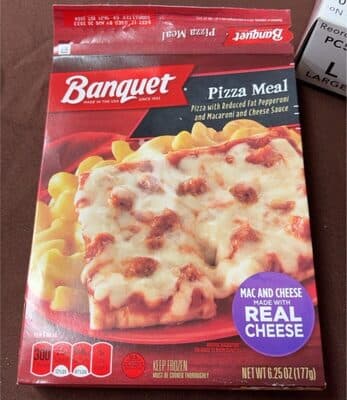
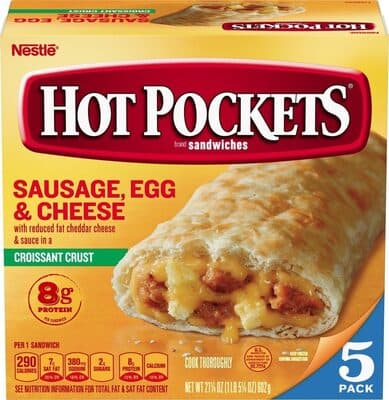
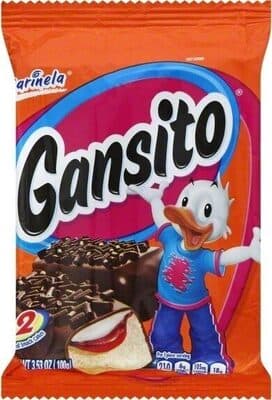
Cornstarch appears in thousands of food products including baked goods, sauces, soups, snacks, candies, dairy products, and convenience foods.
Safety Assessment
Cornstarch is widely recognized as safe by food regulatory agencies worldwide. The FDA has not classified cornstarch as Generally Recognized as Safe (GRAS), though this reflects historical regulatory categorization rather than safety concerns—cornstarch has been used in food for centuries and predates modern GRAS designations.
The additive has generated zero adverse event reports with the FDA and zero food recalls attributable to cornstarch. This extensive safety record reflects both its benign nature and its long history of safe use.
From a nutritional perspective, cornstarch is a simple carbohydrate with a high glycemic index, meaning it raises blood glucose relatively quickly. Individuals managing diabetes or blood sugar levels should be aware of cornstarch content in foods, though this is a nutritional consideration rather than a safety issue.
Cornstarch contains no known allergens in its pure form, though cross-contamination during processing could theoretically occur. Celiac disease patients should note that cornstarch is gluten-free, making it suitable for many gluten-sensitive applications.
Regulatory Status
Cornstarch is approved for use in food throughout North America, Europe, and virtually all major regulatory jurisdictions. The European Food Safety Authority (EFSA) lists cornstarch among acceptable food additives. In the United States, cornstarch is permitted as a food additive without numerical classification restrictions—it can be used in foods in quantities necessary to achieve the desired functional effect.
No country maintains restrictions on cornstarch use due to safety concerns. Its regulatory status reflects consensus on its safety profile across international food safety bodies.
Key Studies
The extensive safety history of cornstarch derives from centuries of culinary and industrial use rather than recent formal toxicological studies. Cornstarch is a natural plant product with a well-characterized chemical composition and minimal processing beyond mechanical separation and drying. Published research on starch generally confirms its inert nature and absence of systemic toxicity at normal dietary exposure levels. The compound's effects on human physiology are primarily nutritional (carbohydrate metabolism) rather than toxicological.