What is Corn Syrup?
Corn syrup is a liquid sweetener produced by breaking down corn starch into simpler sugars through enzymatic hydrolysis. The process converts starch molecules into glucose and other sugars, creating a viscous liquid ranging from clear to light golden in color. Corn syrup typically contains glucose, maltose, and other saccharides, with glucose content varying based on processing methods. High fructose corn syrup (HFCS), a modified version where glucose is partially converted to fructose, is distinct from regular corn syrup, though both are derived from the same starting material.
Common Uses
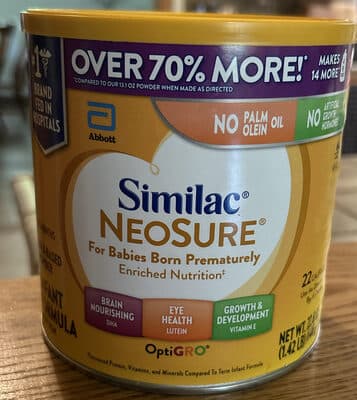
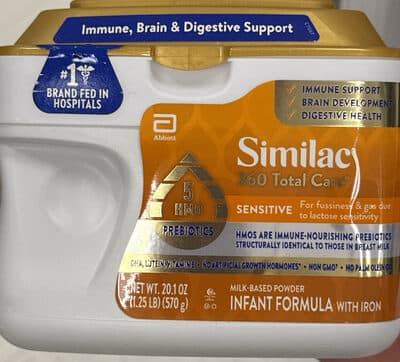
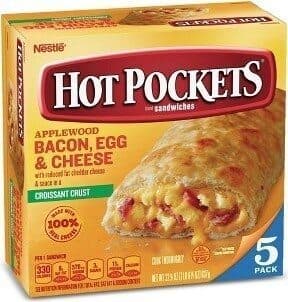
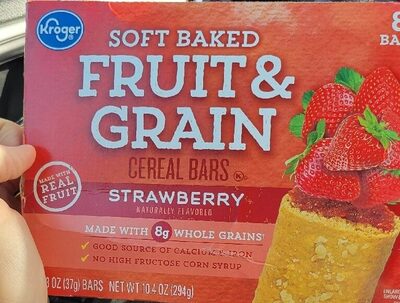
Corn syrup functions across multiple roles in food manufacturing due to its diverse chemical properties. As a nutritive sweetener, it provides sweetness and calories in beverages, candies, baked goods, and desserts. Its humectant properties help retain moisture in products like breads, cereals, and confections, extending shelf life and maintaining texture. In syrups and condiments, corn syrup acts as a solvent and viscosity modifier. Its role as a texturizer is evident in candies and frozen desserts, where it prevents crystal formation and improves mouthfeel. Food manufacturers also utilize it as a fermentation substrate in some applications and as a drying agent in specific formulations. It appears in products ranging from soft drinks and breakfast cereals to salad dressings and pharmaceutical syrups.
Safety Assessment
Corn syrup has been designated as Generally Recognized as Safe (GRAS) by the U.S. Food and Drug Administration. The FDA's GRAS determination reflects extensive historical use and a lack of evidence demonstrating safety concerns at current levels of consumption in food products. According to FDA records, there are zero adverse events formally reported and attributed to corn syrup, and no product recalls have been issued specifically for corn syrup contamination or safety issues.
As a caloric sweetener providing approximately 3 calories per gram, corn syrup's primary nutritional consideration relates to caloric intake and its contribution to dietary sugar consumption. Health organizations, including the American Heart Association, recommend limiting added sugars from all sources, including corn syrup, as part of healthy dietary patterns. This recommendation relates to overall sugar consumption rather than corn syrup specifically.
The European Food Safety Authority (EFSA) has also evaluated glucose syrups derived from corn and determined them safe for use in food applications. Both regulatory bodies establish acceptable daily intake guidelines based on the total sugar content rather than distinguishing corn syrup from other sweetening agents.
Regulatory Status
Corn syrup is approved for use as a food additive in the United States, European Union, Canada, Australia, and most major food markets. In the United States, it is classified as GRAS and requires no formal approval for new uses within defined parameters. The FDA regulates corn syrup under 21 CFR 184.1865 for uses as a GRAS substance. Maximum usage levels are not numerically restricted by the FDA but are limited by good manufacturing practices—meaning manufacturers use the minimum amount necessary to achieve the intended effect. Labeling requirements mandate that corn syrup be identified by name on ingredient lists, and it must be distinguished from high fructose corn syrup when the latter is used.
Key Studies
Long-term safety evaluations of corn syrup and glucose syrups have been conducted by regulatory agencies and independent researchers. Studies examining glucose metabolism, digestibility, and systemic effects have found corn syrup behaves similarly to other simple sugars and glucose sources in the body. Research comparing various sweetening agents has not identified corn syrup as presenting unique safety hazards compared to alternatives such as sucrose or other glucose syrups.
Epidemiological studies examining added sugar consumption patterns have included corn syrup as a component of total dietary sugar assessment rather than isolating it as uniquely problematic. Toxicological reviews by regulatory agencies have consistently concluded that corn syrup, when used at levels typical in food applications, does not present safety concerns beyond those associated with caloric sweetener consumption generally.