What is Copper Sulfate?
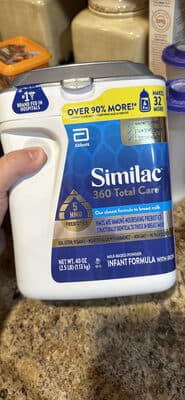
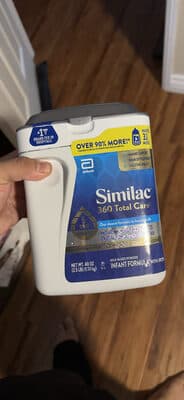
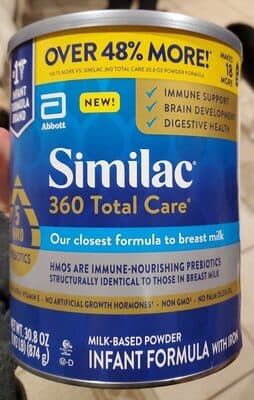
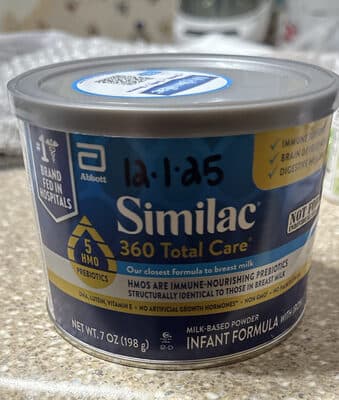
Copper sulfate is an inorganic salt compound consisting of copper and sulfate ions. In food applications, it appears as a blue crystalline solid and is identified by CAS number 7758-98-7. As a nutrient supplement, copper sulfate serves as a source of dietary copper, an essential trace element required for enzyme function, iron metabolism, and connective tissue formation in the human body.
Common Uses
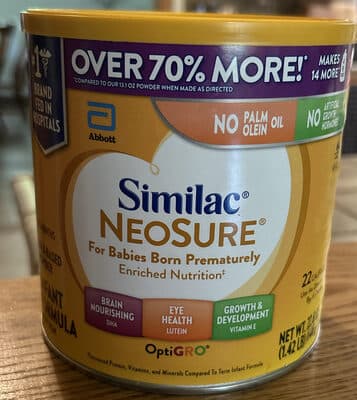
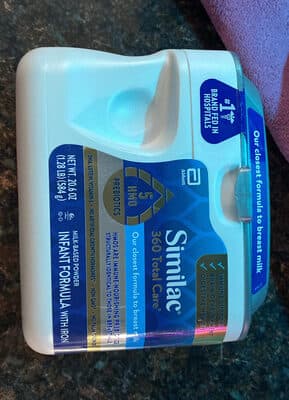
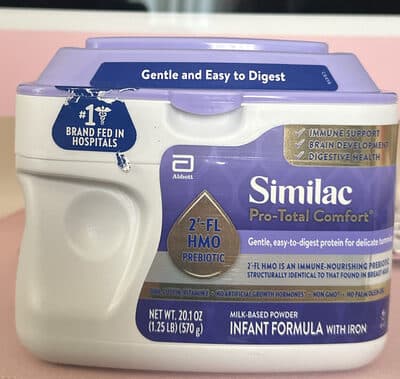
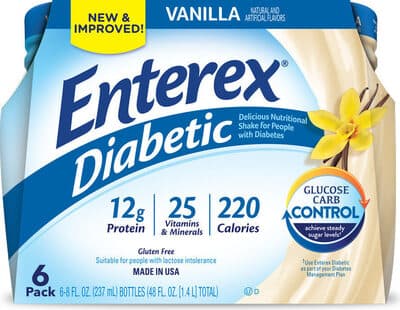
Copper sulfate is utilized in food production primarily as a nutrient fortification agent. It is added to certain food products to increase their copper content, addressing potential dietary deficiencies. The compound also functions as a processing aid in food manufacturing. Copper sulfate has historical use in wine and vinegar production as a processing agent, though such applications are subject to regulatory restrictions in many jurisdictions. It may be used in limited applications within the food industry where regulatory frameworks permit its use under specific conditions.
Safety Assessment
Copper is an essential nutrient required in small quantities for human health. However, like all nutrients, excessive intake can pose risks. The adequate intake (AI) for copper in adults is 900 micrograms per day, while the tolerable upper intake level (UL) is set at 10,000 micrograms daily by the National Academies of Sciences, Engineering, and Medicine.
Acute toxicity of copper sulfate is relatively low at typical dietary exposure levels. The FDA has received zero adverse event reports specifically linked to copper sulfate as a food additive, and there are no recorded FDA recalls associated with this substance. Chronic copper exposure above recommended levels can result in hepatotoxicity and neurological effects, though such outcomes are associated with exposure well above normal dietary intake from food fortification.
The primary safety consideration involves dose and bioavailability. When used appropriately as a nutrient supplement at levels consistent with copper's daily requirement, copper sulfate presents minimal risk to consumers. The soluble nature of copper sulfate makes it highly bioavailable, which is advantageous for fortification purposes but requires careful dose control.
Regulatory Status
Copper sulfate is not on the FDA's Generally Recognized as Safe (GRAS) list, meaning it does not have blanket GRAS designation. However, this does not indicate it is unsafe; rather, it reflects that specific food applications require individual regulatory review and approval. Some jurisdictions permit its use under defined conditions, while others restrict or prohibit it entirely.
In the European Union, copper compounds including copper sulfate are subject to regulation under EU Regulation 1925/2006 on fortification, with specific permitted levels depending on the food category. Different countries maintain varying positions on copper sulfate's acceptability in food products, reflecting different regulatory philosophies and risk assessment frameworks.
Manufacturers and regulatory bodies continue to evaluate appropriate use levels to ensure consumer safety while maintaining nutritional benefits.
Key Studies
Research on copper and copper compounds has focused on bioavailability and appropriate intake levels. Studies demonstrate that copper from inorganic salts like copper sulfate is bioavailable to humans, though absorption can be influenced by other dietary components including zinc and iron.
Toxicological assessments of copper indicate that the margin between beneficial and harmful doses is substantial when exposure comes from food fortification. Long-term dietary studies show that copper intake from fortified foods within regulatory limits does not produce adverse effects in the general population.
The absence of adverse event reports and recalls in FDA databases, combined with copper's established essentiality and the extensive research on copper metabolism, suggests that appropriately-controlled use of copper sulfate in food fortification carries low risk at approved levels.