What is Collagen?
Collagen is the most abundant protein in the animal kingdom, comprising approximately 30% of total body protein in mammals. In food applications, collagen refers to purified or partially hydrolyzed forms of this fibrous protein extracted from animal tissues—primarily bovine (cattle) and porcine (pork) sources, though fish collagen is also used. The protein is composed of amino acids including glycine, proline, and hydroxyproline arranged in a characteristic triple helix structure.
When collagen is hydrolyzed (broken down into smaller peptides and amino acids), it becomes collagen hydrolysate or gelatin, which has different functional properties than intact collagen. In the food industry, both forms are utilized, though their regulatory classifications may differ.
Common Uses
Collagen and its derivatives are used in the food industry primarily for:
- **Flavor enhancement**: Acts as a carrier or vehicle for flavoring compounds, helping distribute taste molecules throughout food products
- **Texture modification**: Provides gel-forming, thickening, and stabilizing properties in soups, broths, confectionery, and desserts
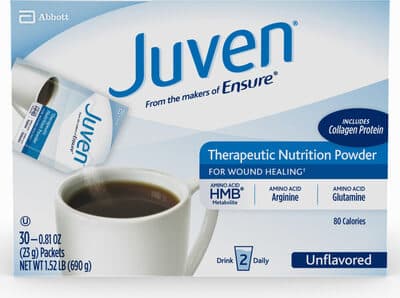
- **Functional food applications**: Often added to beverages and supplements marketed for joint and skin health
- **Binding agent**: Helps retain moisture and improve mouthfeel in processed meat products and baked goods
Collagen-based ingredients appear in bone broths, gelatin desserts, meat products, nutritional supplements, and various processed foods where textural consistency and protein content are desired.
Safety Assessment
Collagen demonstrates a strong safety profile based on available data. The FDA has recorded zero adverse events associated with collagen use in foods and no product recalls attributed to collagen contamination or adverse effects. This lack of reported incidents reflects both the widespread historical use of collagen-derived products (gelatin has been used in foods for centuries) and its generally recognized safety in the food supply.
Collagen is composed entirely of standard amino acids found in normal dietary protein sources. When consumed, collagen is digested like any other protein—broken down into amino acids and dipeptides for absorption in the gastrointestinal tract. There is no evidence that intact collagen peptides survive digestion to exert systemic effects, though some marketing claims suggest otherwise.
Allergenic potential is low but possible in individuals with specific animal protein sensitivities. Cross-contamination risks are minimal when sourced from regulated facilities.
Regulatory Status
Collagen's regulatory classification varies by jurisdiction and specific product form:
- **United States (FDA)**: Collagen is not formally listed as GRAS (Generally Recognized As Safe) for flavoring applications, though gelatin and collagen hydrolysates have GRAS status for other uses. Most collagen used in foods operates under prior FDA acceptance or as a food ingredient with an established history of safe use.
- **European Union (EFSA)**: Gelatin (hydrolyzed collagen) is approved as a food additive (E441) and authorized for various food categories with specified use levels.
- **Other regions**: Most developed nations permit collagen use with varying degrees of specification regarding source animal and processing methods.
Bovine-sourced collagen may be subject to additional scrutiny in regions with BSE (mad cow disease) concerns, though modern processing significantly mitigates theoretical risk.
Key Studies
Scientific literature on collagen in food focuses primarily on:
- **Digestibility and bioavailability**: Research confirms collagen undergoes complete proteolytic digestion like other dietary proteins (Schrieber & Gareis, 2007)
- **Functional properties**: Studies document collagen's effectiveness as a gelling, thickening, and stabilizing agent (Hauss, 2014)
- **Organoleptic effects**: Research examines collagen's contribution to mouthfeel and sensory properties in food systems
- **Amino acid composition**: Multiple studies confirm collagen provides standard proteinogenic amino acids in typical dietary patterns
No significant toxicological studies are required or conducted on collagen, as it is not classified as a chemical additive of concern. Its safety profile is established through historical use and basic biochemical principles.