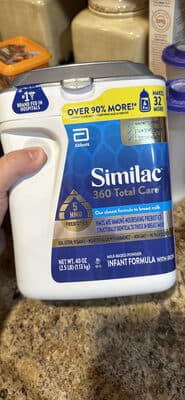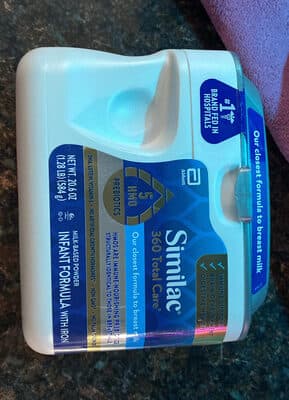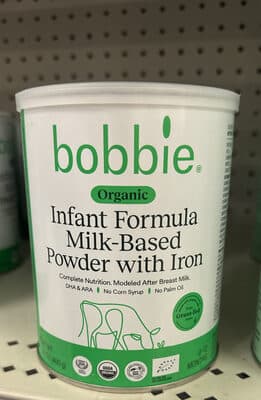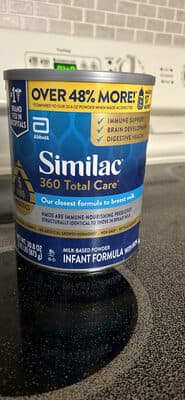
What is Coconut Oil?
Coconut oil (CAS Number 8001-31-8) is a vegetable oil derived from the meat (copra) of mature coconuts. It is composed primarily of triglycerides with approximately 90% saturated fatty acids, including lauric acid, myristic acid, and palmitic acid, along with smaller amounts of unsaturated fats. The oil exists as a solid at room temperature (below 76°F/24°C) and becomes liquid when heated. Coconut oil is obtained through mechanical pressing, centrifugation, or solvent extraction methods, with refined versions undergoing additional processing to remove impurities and odor.
Common Uses
Coconut oil functions as a multipurpose ingredient in food manufacturing. As an anticaking agent and free-flow agent, it prevents clumping in powdered products such as spice blends, powdered sugar, and dry mixes. Its lubricant and release agent properties facilitate food processing and prevent sticking during manufacturing. The oil serves as a humectant, helping retain moisture in baked goods and confections. In chocolate and confectionery products, coconut oil acts as a texturizer and formulation aid, modifying mouthfeel and stability. It also functions as a solvent and vehicle for flavoring compounds and fat-soluble vitamins, making it valuable in nutritional supplements and fortified foods. Additionally, coconut oil contributes nutritional value as a source of dietary fat and medium-chain triglycerides (MCTs) in various products.
Safety Assessment
Coconut oil has a long history of use as a food ingredient in tropical regions and is widely recognized as safe in food applications. The FDA has received zero adverse event reports and zero recalls associated with coconut oil as a food additive, indicating no documented safety concerns in the U.S. food supply. The substance is generally recognized as safe for use in cooking oils, baking, confections, and other food products. However, it is important to note that coconut oil is not currently on the FDA's GRAS (Generally Recognized as Safe) list, meaning it has not undergone the formal GRAS notification process. This does not indicate a safety concern but rather reflects the regulatory pathway taken by manufacturers.
From a nutritional perspective, coconut oil is high in saturated fat. While dietary saturated fat remains a topic of ongoing nutritional research and debate, coconut oil's use in food manufacturing typically involves relatively small amounts per serving, limiting its contribution to overall saturated fat intake. Like all oils, coconut oil is calorie-dense at approximately 120 calories per tablespoon.
Regulatory Status
Coconut oil is permitted for use as a food ingredient in the United States, European Union, and most major food regulatory jurisdictions. The FDA permits its use in various food categories including fats and oils, baked goods, confections, and dairy products. In the EU, coconut oil is approved as a food ingredient and falls under general food regulations. No geographic restrictions or bans on coconut oil exist in major regulatory systems. Its natural origin and long food use history support its acceptance across global regulatory frameworks.
Key Studies
Coconut oil has been the subject of numerous nutritional and chemical studies. Research published in the journal *Nutrients* (2015) examined the composition and functional properties of coconut oil in food applications, confirming its effectiveness as a formulation agent. Studies in *Food Chemistry* have documented coconut oil's stability and oxidation characteristics, relevant to its use in processed foods. Nutritional research continues to evaluate the health effects of coconut oil consumption, though such studies fall outside the scope of food safety assessment for additive functionality. Manufacturing and food science literature confirms coconut oil's effectiveness and safety in various processing applications.