Our Verdict: SAFE

Citric Acid

E-numberE330CAS77-92-9FDA GRAS

This additive is considered safe

Based on current FDA and EFSA assessments. Approved in both the United States and the European Union.

Adverse Events

0

FDA CFSAN

FDA Recalls

0

OpenFDA

United States

Approved

FDA

European Union

Not_evaluated

EFSA

Citric Acid — food additive

Citric acid is a naturally occurring organic acid found in citrus fruits. It is one of the most widely used food additives in the world, serving as a preservative, flavor enhancer, and pH regulator. It is generally recognized as safe (GRAS) by the FDA and authorized in the EU (E330).

US Status

Approved

FDA

EU Status

Not_evaluated

EFSA

Adverse Events

0

FDA CFSAN

FDA Recalls

0

OpenFDA

Global Regulatory Status

United States
ApprovedFDA
European Union
Not EvaluatedEFSA
United Kingdom
ApprovedUK FSA
Canada
ApprovedHealth Canada
Australia
ApprovedFSANZ
Japan
ApprovedMHLW
South Korea
ApprovedMFDS
Brazil
ApprovedANVISA
China
ApprovedNHC / GB 2760
India
ApprovedFSSAI
Country data is sourced from official regulatory databases and enriched via AI analysis. Always verify with the relevant national authority before making dietary decisions.

What is Citric Acid?

Citric acid is a weak organic acid with the chemical formula C6H8O7. It occurs naturally in citrus fruits, particularly lemons and limes, which can contain up to 8% citric acid by dry weight. Industrially, most citric acid is produced by microbial fermentation using the fungus Aspergillus niger.

Common Uses

Citric acid is one of the most versatile food additives. It serves multiple functions:

- **Flavor enhancer**: Provides tart, sour taste in beverages, candies, and snacks

- **Preservative**: Lowers pH to inhibit bacterial growth

- **Chelating agent**: Binds metals that could cause discoloration or off-flavors

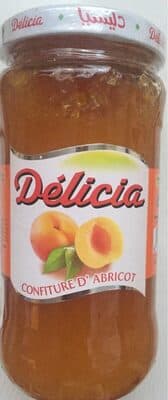
- **pH regulator**: Controls acidity in canned foods, jams, and dairy products

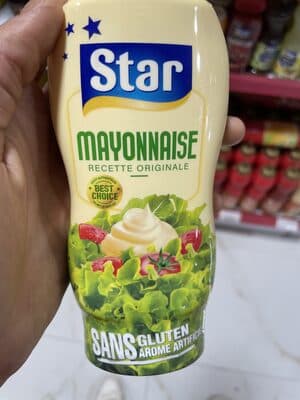
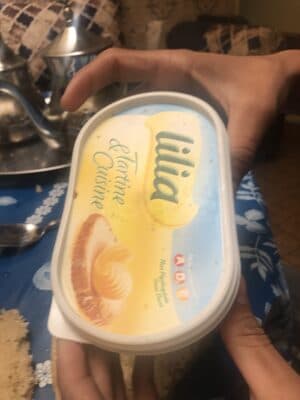
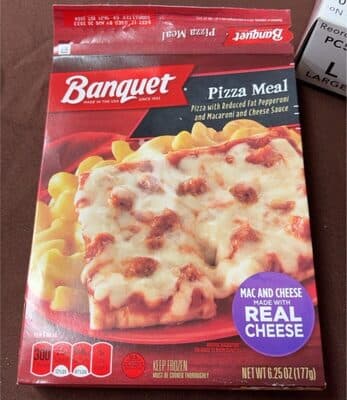
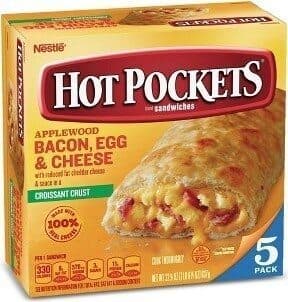
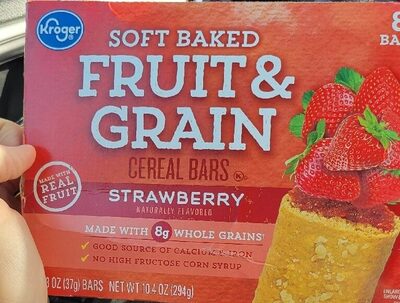
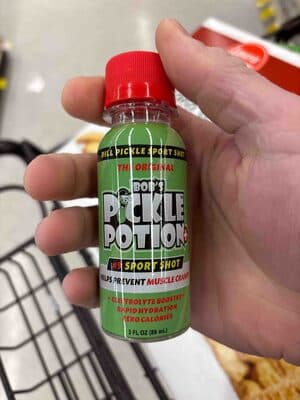
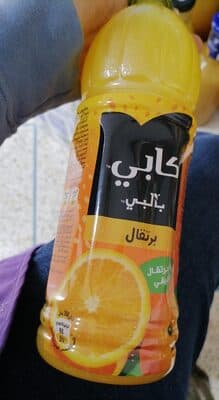
Found in soft drinks (Coca-Cola, Sprite), candy (Sour Patch Kids), canned tomatoes, ice cream, hummus, salsa, and thousands of other products.

Safety Assessment

Citric acid has an excellent safety record. The FDA classifies it as Generally Recognized as Safe (GRAS). EFSA has evaluated it multiple times and found no safety concerns at current usage levels. The WHO/JECFA has established an acceptable daily intake (ADI) of "not specified," meaning no limit is necessary because of its low toxicity.

Some individuals may experience tooth enamel erosion from frequent consumption of highly acidic foods and beverages. In rare cases, citric acid manufactured via Aspergillus niger fermentation has been reported to trigger reactions in individuals with mold sensitivities, though peer-reviewed evidence for this is limited.

Regulatory Status

- **United States**: GRAS (21 CFR 184.1033)

- **European Union**: Authorized as E330, quantum satis (no maximum limit)

- **Worldwide**: Approved in virtually every country with food safety regulations

Key Studies

- EFSA Panel on Food Additives (2016): Re-evaluation of citric acid (E 330) confirmed safety at current use levels

- FDA GRAS Notice: Citric acid listed since 1977 with continuous GRAS status

- WHO/JECFA: ADI "not specified" — indicating very low toxicity concern
Frequently Asked Questions

What is Citric Acid?

Citric acid is a naturally occurring organic acid found in citrus fruits. It is one of the most widely used food additives in the world, serving as a preservative, flavor enhancer, and pH regulator. It is generally recognized as safe (GRAS) by the FDA and authorized in the EU (E330).

Is Citric Acid safe?

Citric Acid is currently rated "safe" based on FDA and EFSA data. It is approved in the US and not_evaluated in the EU. There are 0 FDA adverse event reports associated with this additive.

Is Citric Acid banned in any country?

Citric Acid is approved in the United States and not_evaluated in the European Union. Review the regulatory status cards above for the most current information.

Data Sources

Data is sourced exclusively from official government databases and updated periodically. This page does not constitute medical advice. Consult a healthcare professional for dietary guidance.