What is Carbon Dioxide?
Carbon dioxide is a colorless, odorless gas (CAS Number 124-38-9) composed of one carbon atom bonded to two oxygen atoms. It occurs naturally in the atmosphere and is produced during cellular respiration and fermentation processes. In food applications, CO₂ is typically supplied as a compressed gas or in solid form (dry ice) and is recognized as Generally Recognized As Safe (GRAS) by the U.S. Food and Drug Administration for direct food contact.
Common Uses
Carbon dioxide has multiple roles in food manufacturing and preparation:
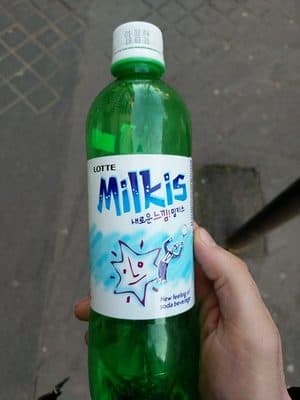
**Carbonation**: CO₂ is the primary gas used to carbonate soft drinks, sparkling water, and other beverages, creating the characteristic bubbles and acidic taste from carbonic acid formation.
**Preservation**: The gas inhibits microbial growth in packaged foods by creating an inhospitable environment for bacteria and fungi. This extends shelf life in products like fresh meats, cheeses, and baked goods stored in modified atmosphere packaging (MAP).
**Freezing Agent**: Dry ice (solid CO₂) is used to freeze foods rapidly and maintain frozen temperatures during transportation and storage.
**Propellant**: CO₂ serves as a propellant in whipped cream dispensers and aerosol food products.
**Processing Aid**: The gas is used in decaffeination processes, extraction procedures, and as a blanketing gas to prevent oxidation during processing.
**pH Regulation**: Carbon dioxide dissolves in water to form carbonic acid, allowing manufacturers to adjust pH in various products.
Safety Assessment
Carbon dioxide has an extensive history of safe use in food. The FDA has designated it as GRAS for direct food contact, meaning it is generally recognized as safe by qualified experts based on substantial scientific evidence. The agency has recorded zero adverse events and zero recalls related to CO₂ as a food additive.
At typical food use levels, CO₂ does not accumulate in body tissues or pose systemic toxicity concerns. The gas is naturally produced during human metabolism and is eliminated through respiration. Studies demonstrate that carbonated beverages and CO₂-treated foods do not present safety hazards in normal consumption patterns.
Dry ice requires handling precautions due to its extreme cold temperature (-78.5°C), which can cause frostbite on direct contact, but this is a physical property concern rather than a toxicological issue. Proper handling procedures prevent injury.
The European Food Safety Authority (EFSA) similarly affirms the safety of CO₂ as a food additive with no numerical limitations on use.
Regulatory Status
Carbon dioxide is approved for food use in virtually all major regulatory jurisdictions:
- **United States**: GRAS status, approved as a food additive
- **European Union**: Listed as food additive E290, authorized for multiple food categories
- **Canada**: Permitted as a food additive
- **Australia/New Zealand**: Approved under Food Standards Code
- **Japan**: Approved for food use
No country has restricted or banned CO₂ for food applications. It is one of the most universally accepted food additives globally.
Key Studies
Scientific literature on CO₂ in food is extensive and consistently demonstrates safety:
- Modified atmosphere packaging studies confirm CO₂'s antimicrobial efficacy without chemical residues
- Carbonation research shows no adverse physiological effects from typical consumption levels
- Stability studies document CO₂'s effectiveness as a preservative across various product categories
- Metabolic studies confirm rapid elimination of CO₂ through normal respiration
The long history of carbonated beverage consumption—dating back to the late 1700s—provides additional real-world evidence of safety at typical use levels.