What is Calcium Silicate?
Calcium silicate is an inorganic compound composed of calcium, silicon, and oxygen. It exists as a white, odorless powder with excellent moisture-absorbing properties. The compound is chemically stable and insoluble in water, making it ideal for dry food applications where moisture control is critical. Calcium silicate is distinct from silica gel and other silicon-based additives, though they serve similar functional purposes in food manufacturing.
Common Uses
Calcium silicate is most commonly used as an anticaking agent in powdered and granulated food products. Its primary applications include:
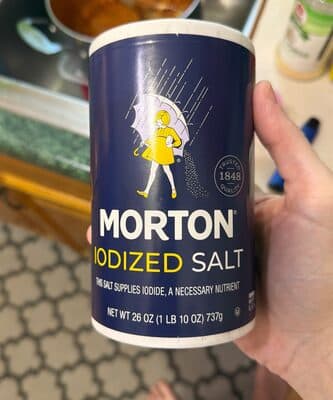
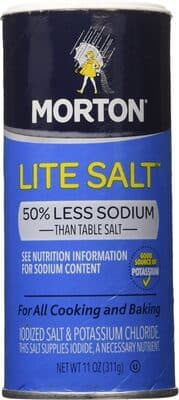
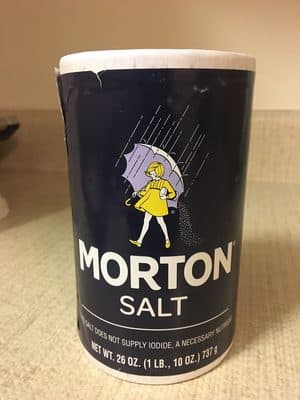
- Table salt and mineral salt products
- Powdered spices and seasoning blends
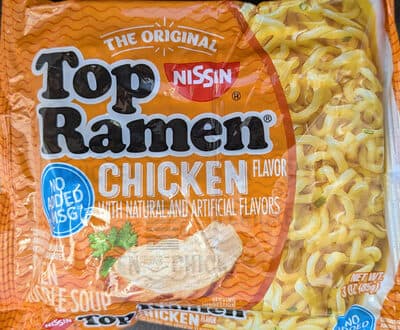
- Dried soup mixes and instant products
- Baking powder and other leavening agents
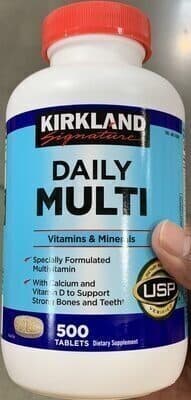
- Nutritional supplements and vitamin powders
- Garlic and onion powders
- Dried herbs
The additive's moisture-absorbing capacity prevents caking that occurs when powders absorb humidity from the air. Beyond anticaking, calcium silicate serves as a flavor enhancer and formulation aid, helping to maintain product texture, flowability, and shelf stability. It may also function as a lubricant or release agent in manufacturing processes.
Safety Assessment
Calcium silicate has been designated as Generally Recognized as Safe (GRAS) by the FDA, indicating that experts consider it safe for its intended use in food when used in appropriate amounts. The compound's safety profile is supported by its chemical inertness—it is not absorbed by the gastrointestinal tract and passes through the body largely unchanged.
The FDA has recorded zero adverse events associated with calcium silicate consumption and zero product recalls attributable to this additive. This extensive safety record reflects decades of use in the food supply. The insoluble nature of calcium silicate means it does not dissolve in digestive fluids and therefore presents minimal bioavailability concerns.
Typical usage levels in food products are relatively low—generally ranging from 1-3% by weight depending on the application and desired anticaking effect. These modest concentrations further minimize any potential for adverse effects.
Regulatory Status
In the United States, calcium silicate is approved as a direct food additive under 21 CFR 182.2727. The FDA permits its use in salt and seasoning products without quantity restrictions, provided it meets purity standards outlined in the Food Chemicals Codex (FCC).
The European Food Safety Authority (EFSA) has also evaluated calcium silicate and maintains it as an approved food additive (E552) for similar anticaking applications in the European Union. International regulatory bodies, including those in Canada, Australia, and Japan, similarly recognize calcium silicate as safe for food use.
Regulations require that calcium silicate meet established purity and quality specifications to ensure food safety and prevent contamination with harmful substances. Manufacturers must source the additive from certified suppliers that maintain rigorous quality control standards.
Key Studies
While calcium silicate's long history of safe use in food provides strong empirical evidence for its safety, scientific literature on this additive is limited, as its safety is well-established and not subject to significant controversy. Most research focuses on its functional properties rather than safety concerns.
Toxicological assessments have consistently demonstrated that calcium silicate does not accumulate in body tissues and does not produce systemic toxicity. Animal studies support its non-toxic classification, and no carcinogenic, mutagenic, or reproductive toxicity has been identified.
The lack of adverse event reports and recalls in the FDA database, combined with its GRAS designation and decades of safe use in commercial food products, represents the strongest evidence for its safety profile. The compound's physical and chemical properties—being insoluble and non-absorbed—inherently limit potential health risks.