What is Calcium Pantothenate?
Calcium pantothenate (CAS Number 137-08-6) is a stable, bioavailable form of pantothenic acid (vitamin B5). Pantothenic acid is an essential water-soluble vitamin that plays a crucial role in energy metabolism, synthesis of hormones, and maintenance of healthy skin and nervous system function. The calcium salt form is preferred in food fortification because it is more stable than free pantothenic acid and has better shelf stability in processed foods.
Common Uses
Calcium pantothenate is widely used in food fortification to increase the nutritional value of various products. Common applications include:
- Breakfast cereals and grain products
- Nutritional bars and supplements
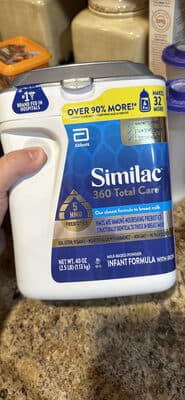
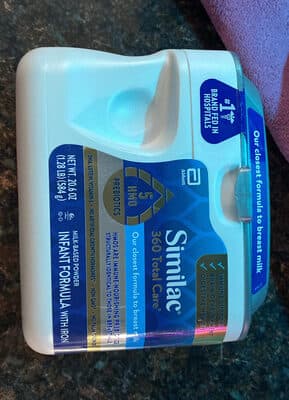
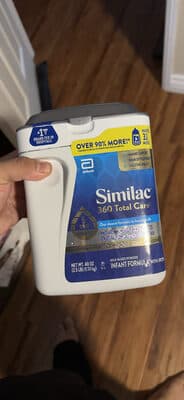
- Infant formulas and baby foods
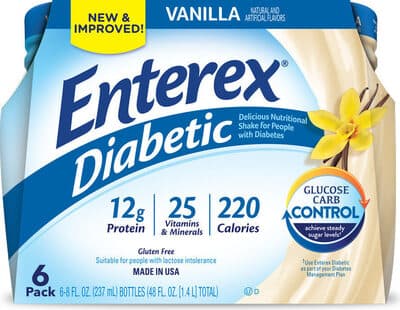
- Fortified beverages
- Dairy products
- Energy drinks and sports supplements
The additive helps address dietary insufficiencies of pantothenic acid in populations with limited access to natural sources such as mushrooms, avocados, eggs, and organ meats.
Safety Assessment
Calcium pantothenate has an excellent safety profile. According to FDA records, there have been zero reported adverse events associated with this additive, and zero recalls have been issued. The compound is recognized as safe for use in food by multiple regulatory authorities globally.
Pantothenic acid is a water-soluble vitamin, meaning excess amounts are not stored in body tissues but are excreted through urine. This characteristic significantly reduces the risk of toxicity from supplementation. The European Food Safety Authority (EFSA) has established that pantothenic acid has no defined upper intake level due to its low toxicity profile.
Toxicological studies on calcium pantothenate have not identified genotoxic, reproductive, or developmental hazards at levels far exceeding typical dietary intake. Animal studies have consistently shown minimal toxicity across various exposure scenarios.
Regulatory Status
While calcium pantothenate does not have FDA GRAS (Generally Recognized As Safe) status as a food additive, it is regulated as a dietary supplement ingredient and is permitted in food fortification under FDA regulations (21 CFR 104.20 and related sections) as a nutrient supplement. This regulatory pathway reflects its status as a legitimate nutrient rather than a synthetic chemical additive.
The compound is approved for food use in the European Union, Canada, Australia, Japan, and most other major food-regulating jurisdictions. Its classification as a nutrient supplement rather than a food additive in many regulatory systems reflects its essential role in human nutrition.
Key Studies
Research on pantothenic acid and its calcium salt form has established:
- Bioavailability studies confirm that calcium pantothenate is effectively absorbed and metabolized in humans, with absorption rates comparable to free pantothenic acid
- Long-term supplementation studies have not identified adverse effects at intakes significantly exceeding the recommended dietary allowance (5 mg/day for adults)
- Stability studies demonstrate that calcium pantothenate maintains nutritional integrity throughout shelf life in most food matrices
- Clinical data supports the role of adequate pantothenic acid intake in maintaining skin health, energy metabolism, and immune function
The safety record of calcium pantothenate reflects decades of use in food fortification programs worldwide without significant adverse event reporting.