What is Butylated Hydroxytoluene?
Butylated Hydroxytoluene, commonly known as BHT, is a synthetic organic compound with the chemical formula C₁₅H₂₄O. Identified by CAS Number 128-37-0, BHT is a hindered phenol that functions primarily as an antioxidant in food applications. The compound was first synthesized in the mid-20th century and has been used extensively in the food industry for decades. BHT appears as a white to off-white crystalline powder and is soluble in fats and oils, making it particularly effective in lipid-containing food products.
Common Uses
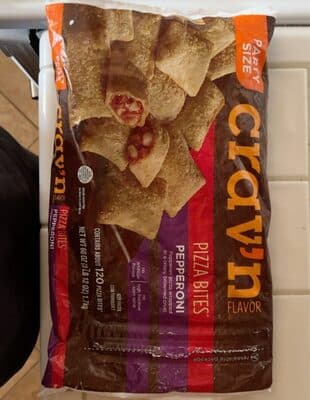
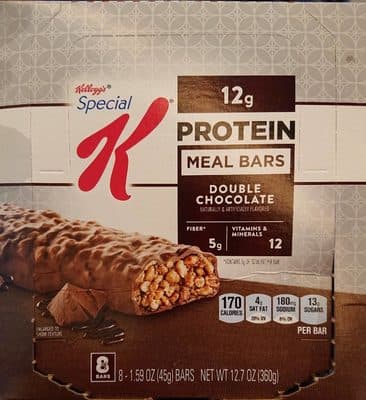
BHT is incorporated into a wide range of food products to prevent the oxidative degradation of fats and oils. Common applications include:
- Baked goods and cake mixes
- Cereals and grain products
- Chewing gum
- Potato flakes and other dehydrated potatoes
- Vegetable oils and shortenings
- Processed meat products
- Snack foods
- Beer
The additive functions by donating hydrogen atoms to free radicals, thereby interrupting oxidation chains that lead to rancidity, off-flavors, and degradation of nutritional quality. Additionally, BHT serves as a flavor enhancer and flavoring agent adjuvant, contributing to overall product stability and sensory characteristics.
Safety Assessment
BHT has been extensively studied for safety since its introduction. The FDA granted GRAS (Generally Recognized as Safe) status to BHT, indicating that it is recognized as safe by qualified experts under conditions of its intended use. The FDA's database records zero adverse events associated with BHT consumption and zero recalls linked to BHT contamination or safety concerns.
Toxicological studies have evaluated BHT through multiple endpoints including acute, subchronic, and chronic exposure scenarios. Research has examined potential effects on organ systems, reproductive outcomes, and genetic material. Regulatory agencies, including the FDA and European Food Safety Authority (EFSA), have reviewed available scientific data and determined acceptable daily intake levels. The EFSA established an Acceptable Daily Intake (ADI) of 0-0.5 mg/kg body weight.
BHT is rapidly absorbed and metabolized in the body, primarily through hepatic pathways. The compound is eliminated relatively quickly, with minimal bioaccumulation potential. Most toxicological endpoints tested in animals at relevant doses have not demonstrated adverse effects at levels consistent with food use.
Regulatory Status
BHT maintains GRAS status in the United States under FDA regulations and is approved for use in specified food categories. The FDA Code of Federal Regulations (21 CFR 182.3521) permits BHT use in foods with appropriate limitations on maximum levels—typically not to exceed 0.02% by weight of the finished food product.
Internationally, BHT approval varies by jurisdiction. It is approved in the United States, Canada, and Japan. However, some European nations maintain more restrictive positions, reflecting different regulatory philosophies regarding synthetic additives. The European Union does not include BHT on its approved additives list for food use, though it remains approved for use in cosmetics and other applications.
Key Studies
Significant research has informed BHT's safety profile:
- **Carcinogenicity assessments**: Multiple animal studies examining tumor development have shown no clear evidence of carcinogenicity at levels relevant to human dietary exposure.
- **Metabolic studies**: Research has documented BHT's rapid metabolism and excretion patterns, supporting the conclusion that bioaccumulation is minimal.
- **Reproductive/developmental toxicity**: Studies in animal models at doses significantly higher than dietary exposure levels have not demonstrated adverse reproductive or developmental effects at approved food use levels.
- **Regulatory reviews**: Comprehensive safety assessments by the FDA, EFSA, and Joint FAO/WHO Expert Committee on Food Additives (JECFA) have evaluated the totality of evidence.
The scientific consensus supports the safety of BHT when used within established regulatory limits in food applications.