What is Beta-alanine?
Beta-alanine is a naturally occurring non-essential amino acid with the chemical formula C3H6N2O2. Unlike alpha-amino acids that form proteins, beta-alanine has its amino group attached to the beta carbon rather than the alpha carbon. It occurs naturally in small amounts in foods and is produced endogenously in the human body through the degradation of nucleotides and the amino acid histidine. Beta-alanine is structurally distinct from the proteinogenic amino acids and plays important roles in cellular buffering and carnosine synthesis.
Common Uses
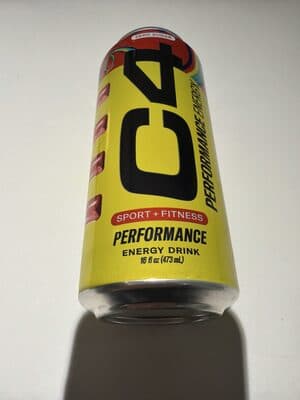
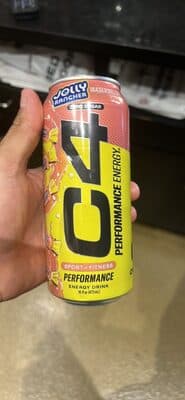
In food applications, beta-alanine functions primarily as a flavor enhancer and flavoring agent. Its slightly sweet taste and umami-enhancing properties make it useful in certain formulated foods and beverages. Additionally, beta-alanine is marketed and used as a nutrient supplement, particularly in sports nutrition products where it is promoted for athletic performance. The additive appears in some energy drinks, protein supplements, and functional foods targeting fitness-conscious consumers. However, its use as a food additive remains limited compared to other amino acids and flavor enhancers.
Safety Assessment
Beta-alanine has not been evaluated or approved by the FDA as a Generally Recognized as Safe (GRAS) substance for food use, distinguishing it from many other amino acids. According to FDA Adverse Event Reporting System (FAERS) data, there have been 4 reported adverse events associated with beta-alanine, though no food product recalls directly attributed to beta-alanine are documented. This limited adverse event reporting suggests either minimal widespread use or generally good tolerability in food applications.
Scientific literature indicates that beta-alanine supplementation is relatively well-tolerated in clinical studies, though some consumers report sensory effects such as transient paresthesia (tingling sensations) at higher doses. The clinical relevance of such effects in food-level exposures remains unclear. The European Food Safety Authority (EFSA) has not established specific safety assessments for beta-alanine as a food additive, and it is not authorized as a food additive in European Union regulations.
Toxicological data on beta-alanine remains limited compared to established food additives. Acute toxicity appears low, but chronic safety data in human populations consuming beta-alanine through food products are sparse. Because beta-alanine is endogenously produced and found naturally in foods, background exposure already occurs, though at levels substantially lower than supplement doses.
Regulatory Status
Beta-alanine occupies an uncertain regulatory position. It is not GRAS-affirmed by the FDA for general food use, meaning manufacturers cannot market products containing it as a food additive without pre-market approval. However, some products containing beta-alanine are available in the United States, typically marketed as dietary supplements under the Dietary Supplement Health and Education Act (DSHEA) framework rather than as food additives, which operates under different regulatory requirements.
The distinction between food additive and dietary supplement status is critical: as a supplement, beta-alanine faces less rigorous pre-market approval but must still comply with safety and labeling requirements. It is not approved as a food additive in the European Union. Different regulatory jurisdictions have varying requirements, and manufacturers considering beta-alanine must navigate country-specific food safety regulations.
Key Studies
Most published research on beta-alanine concerns its use as a sports supplement at doses substantially exceeding typical food additive levels. Clinical trials examining beta-alanine supplementation (typically 3-6 grams daily) for athletic performance have been conducted, but these do not directly address safety at lower food additive exposure levels. Studies on carnosine synthesis and cellular buffering mechanisms provide mechanistic information but limited direct food safety data. The lack of comprehensive safety studies specifically examining beta-alanine at food additive concentrations represents a significant gap in the safety assessment literature.