What is Bleached Beeswax?
Bleached beeswax is a processed form of natural beeswax that has undergone chemical treatment to remove color and impurities. Beeswax is a natural wax secreted by honeybees to construct honeycomb structures. The bleaching process typically involves oxidation or treatment with hydrogen peroxide or other approved bleaching agents, resulting in a white to off-white solid with a waxy texture. The chemical composition consists primarily of esters, hydrocarbons, and fatty acids similar to the unbleached form.
Common Uses
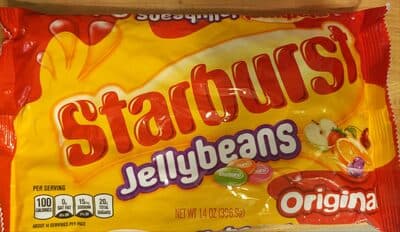
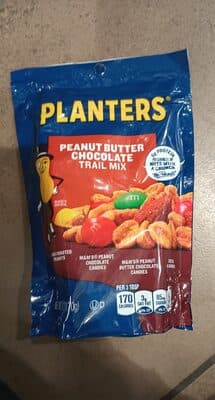
Bleached beeswax is used in the food industry primarily as a glazing agent and surface coating for confectionery items, including candies, chocolates, and decorative food coatings. Its use falls under the functional category of flavoring agent or adjuvant rather than as a flavor itself. The additive provides a protective coating that can improve appearance, reduce moisture loss, and enhance the shelf life of certain food products. It may also be used in small quantities in chewing gums and as a processing aid in other food manufacturing applications.
Safety Assessment
Bleached beeswax has a well-established history of use in food applications with no reported adverse events to the FDA and no associated recalls in the FDA database. As a naturally-derived substance with minimal processing beyond bleaching, it has been considered safe for human consumption in many jurisdictions. The substance does not demonstrate acute toxicity in standard toxicological assessments.
Allergic reactions are possible in individuals with bee product allergies, though such reactions are rare. Persons with pollen allergies or known sensitivities to bee products should exercise caution. The primary concerns with beeswax consumption relate to potential allergenic properties rather than chemical toxicity from the bleaching process.
Beeswax is largely indigestible and passes through the gastrointestinal tract relatively unchanged, making systemic absorption minimal. This characteristic reduces the likelihood of systemic adverse effects from typical food-level exposures.
Regulatory Status
Bleached beeswax does not hold GRAS (Generally Recognized As Safe) status from the FDA, despite its historical use and safety profile. This absence of GRAS designation does not necessarily indicate safety concerns; rather, it reflects that formal GRAS petition and approval processes have not been completed in the United States regulatory framework.
The additive is permitted in various jurisdictions under different regulatory frameworks. In the European Union, beeswax is listed as a food additive (E901) and is approved for use in certain food categories. Individual countries maintain their own specifications and allowable uses.
Manufacturers using bleached beeswax in food products should verify current regulatory compliance in their specific jurisdiction, as permitted uses and concentration limits may vary by country and food application.
Key Studies
Limited peer-reviewed literature specifically addresses bleached beeswax as a food additive, reflecting its long history of traditional use and safety profile. Most available data derives from the broader scientific literature on beeswax composition and properties rather than formal regulatory toxicology studies.
Beeswax composition studies have characterized its primary constituents as long-chain esters and hydrocarbons. These compounds are not typically absorbed systemically through the gastrointestinal tract, supporting the safety profile of beeswax ingestion.
Allergenic potential has been documented in medical literature, primarily in occupational exposure contexts (beekeepers) rather than food consumption. Food-level exposures present minimal allergenic risk for the general population, though sensitive individuals should remain aware of potential cross-reactivity with other bee products.
Historical food use data spanning centuries provides substantial empirical evidence supporting the safety of beeswax in food applications at typical consumption levels.