What is Alpha-tocopherol Acetate?
Alpha-tocopherol acetate (CAS Number 58-95-7) is a synthetic ester form of vitamin E, one of the fat-soluble vitamins essential for human health. It is created by acetylating alpha-tocopherol, the most biologically active form of vitamin E. This modification increases the compound's stability during food manufacturing and storage, making it suitable for use in commercial food fortification. The acetate form must be hydrolyzed in the digestive system to release free alpha-tocopherol for absorption and utilization by the body.
Common Uses
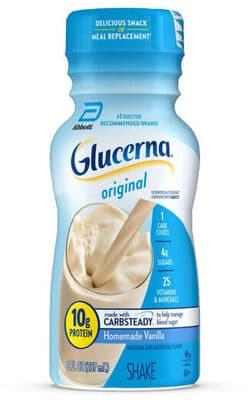
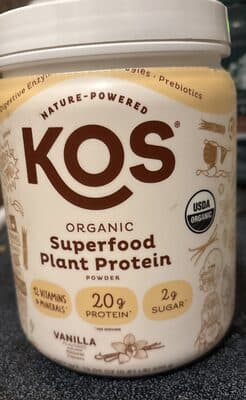
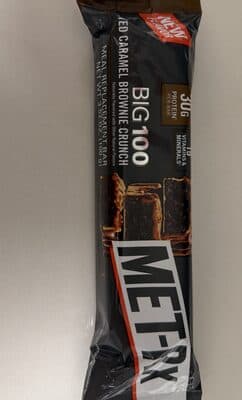
Alpha-tocopherol acetate is primarily used as a nutrient supplement in the food industry. Common applications include fortification of breakfast cereals, plant-based milk alternatives, cooking oils, margarine, and various processed foods. It is also a standard ingredient in multivitamin and mineral supplements. The additive is chosen for these applications because its esterified form provides superior stability compared to unesterified vitamin E, which can degrade when exposed to heat, light, and oxygen during food processing and shelf storage. Food manufacturers use it to meet or exceed daily value recommendations for vitamin E in their products.
Safety Assessment
Alpha-tocopherol acetate has an established safety profile as a nutrient ingredient. The FDA has not formally designated it as GRAS (Generally Recognized as Safe), but it has been used in food fortification for decades without reported adverse events in the FDA database. According to the FDA's monitoring systems, there have been zero documented adverse events and zero recalls associated with alpha-tocopherol acetate. The European Food Safety Authority (EFSA) has also evaluated vitamin E compounds and established safe intake levels for populations.
Vitamin E toxicity is rare because it is fat-soluble and excess amounts are typically excreted or stored in body fat without causing harm at normal dietary levels. The Institute of Medicine has established an upper tolerable intake level (UL) of 1,000 mg alpha-tocopherol equivalents per day for adults, above which some individuals may experience adverse effects such as bleeding. However, amounts used in food fortification are typically well below this threshold.
Regulatory Status
Alpha-tocopherol acetate is permitted for use as a nutrient supplement in food products under FDA regulations, specifically under 21 CFR 182.3041. It is recognized as a food additive that may be used in accordance with good manufacturing practices. The compound is also approved in the European Union as a food additive under E307 classification for vitamin E compounds. Various other regulatory bodies worldwide, including those in Canada, Australia, and Japan, similarly permit its use in food fortification. The lack of a formal GRAS designation does not indicate safety concerns; rather, it reflects its classification as a food additive subject to regulatory oversight.
Key Studies
Vitamin E research spans decades, with extensive clinical literature examining its nutritional and biochemical effects. Studies have confirmed the bioavailability of alpha-tocopherol acetate when consumed as a food additive, demonstrating that it is effectively converted to active vitamin E in the body. Stability studies conducted by food manufacturers show that alpha-tocopherol acetate maintains nutritional potency better than unesterified forms during food processing and storage. Safety assessments by the EFSA and other regulatory bodies have found no safety concerns with levels used in food fortification. The additive's use in food represents a straightforward nutrient supplementation approach supported by established biochemistry and regulatory acceptance.