What is Sorbitan Monostearate?
Sorbitan monostearate (CAS Number: 1338-41-6) is a nonionic surfactant belonging to the sorbitan ester family. It is synthesized through the esterification of sorbitol, a naturally occurring sugar alcohol, with stearic acid, a saturated fatty acid. The resulting compound has both hydrophobic (water-repelling) and hydrophilic (water-attracting) properties, making it effective at reducing interfacial tension between immiscible liquids.
Common Uses
Sorbitan monostearate functions primarily as an emulsifier in food products, helping to create stable, uniform mixtures of ingredients that would otherwise separate. It is commonly found in:
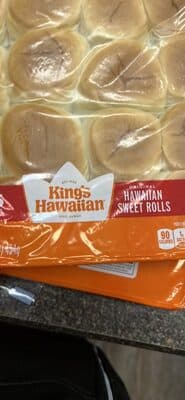
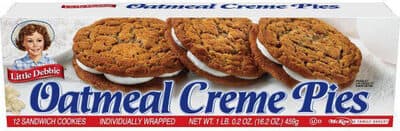
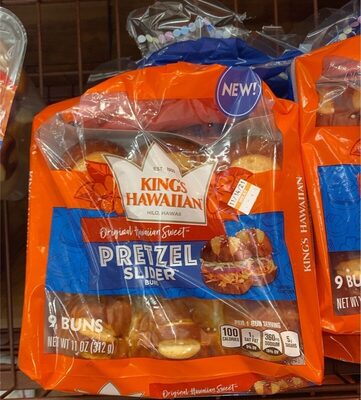
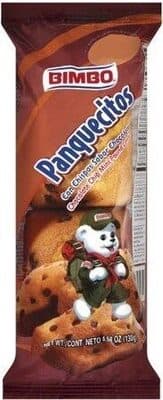
- Baked goods and cake mixes
- Margarine and butter replacements
- Whipped toppings and desserts
- Confectionery and chocolate products
- Salad dressings and mayonnaise
- Non-dairy creamers
- Ice cream and frozen desserts
Beyond its emulsifying properties, sorbitan monostearate also functions as a stabilizer, thickener, and processing aid in food formulation. It can improve texture, extend shelf life, and maintain product consistency during storage and distribution.
Safety Assessment
Sorbitan monostearate has an established history of safe use in food applications. The FDA has received zero adverse event reports associated with this additive and no recalls involving sorbitan monostearate have been documented. The European Food Safety Authority (EFSA) has also evaluated sorbitan esters and established acceptable daily intake levels based on toxicological studies.
Toxicological studies conducted on sorbitan monostearate and related compounds indicate low systemic toxicity. The additive is poorly absorbed in the gastrointestinal tract, with most of the ingested compound passing through the digestive system unchanged. Studies in laboratory animals at high doses have not demonstrated significant adverse effects on organs or developmental toxicity.
Allergic reactions to sorbitan monostearate are rare but theoretically possible in individuals with specific sensitivities. Those with known allergies to sorbitol or fatty acid esters should exercise caution, though cross-reactivity is uncommon.
Regulatory Status
While sorbitan monostearate is not designated as GRAS (Generally Recognized As Safe) by the FDA, it is approved for use in food under FDA regulations as a food additive (21 CFR 172.840). This approval is based on safety data submitted to the FDA and represents a formal determination that the additive is safe for its intended use at specified levels.
The additive is also approved for use in the European Union (E491) and Canada, with maximum use levels specified in each jurisdiction. Regulatory limits typically range from 0.5% to 2% by weight, depending on the food category.
Key Studies
Early toxicological evaluations of sorbitan monostearate, including 90-day feeding studies in rats at doses up to 5,000 mg/kg body weight, showed no observable adverse effects. Chronic studies have similarly demonstrated an acceptable safety margin. The EFSA's evaluation of sorbitan esters (including sorbitan monostearate) established a group ADI (Acceptable Daily Intake) of 0-10 mg/kg body weight, indicating confidence in the safety profile at normal dietary exposure levels.
Absorption and metabolism studies indicate that sorbitan monostearate is hydrolyzed in the gastrointestinal tract to sorbitol and stearic acid, both of which have well-established metabolic pathways. This degradation reduces concerns about bioaccumulation of the parent compound.