What is Sodium Lactate?
Sodium lactate (CAS Number 72-17-3) is an organic salt derived from lactic acid, a naturally occurring compound found in fermented foods like yogurt, sauerkraut, and kimchi. It is produced through the neutralization of lactic acid with sodium hydroxide or sodium carbonate. Sodium lactate appears as a clear, colorless to slightly yellow liquid or white crystalline solid, depending on its form and concentration. The compound has a mild, slightly salty taste and is highly soluble in water.
Common Uses
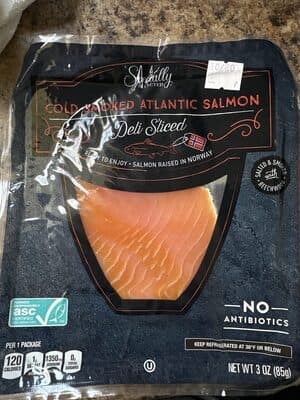
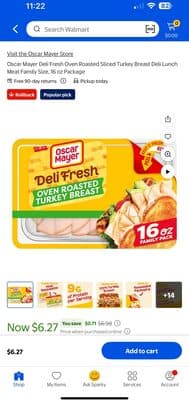
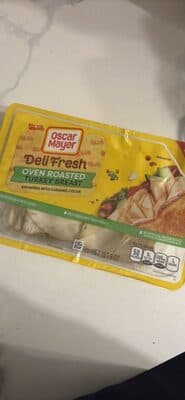
Sodium lactate serves multiple functions in food manufacturing. As an antimicrobial agent, it inhibits the growth of pathogenic bacteria, particularly Listeria monocytogenes and Clostridium botulinum, making it valuable in meat products, poultry, seafood, and ready-to-eat foods. It works synergistically with other preservation methods like refrigeration and modified atmosphere packaging.
The compound functions as an emulsifier and emulsifier salt, helping stabilize oil-water mixtures in products such as processed meats, sauces, and dressings. It also serves as a pH buffer and control agent, maintaining optimal acidity levels in various formulations. Additionally, sodium lactate acts as a flavor enhancer and flavoring agent, contributing a mild salty or slightly acidic note to products.
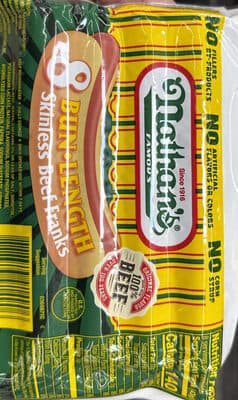
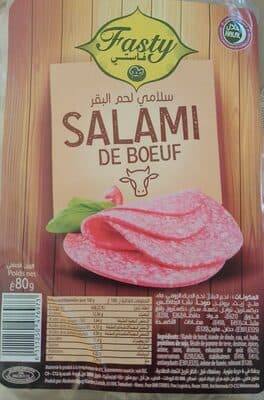
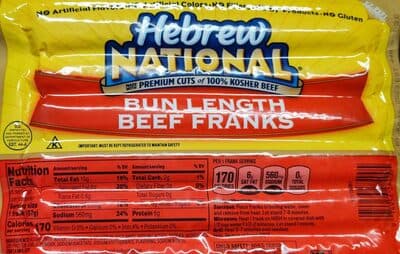
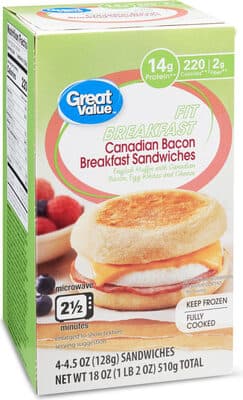
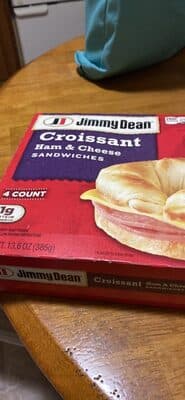
Common applications include cured and processed meats (bacon, ham, sausages), poultry products, seafood, salad dressings, sauces, and various convenience foods.
Safety Assessment
Sodium lactate has an extensive history of safe use in food applications. The FDA has recorded zero adverse events associated with sodium lactate consumption and zero product recalls directly attributable to this ingredient. While sodium lactate is not formally listed as GRAS (Generally Recognized as Safe) by the FDA, it is permitted in food under 21 CFR 182.6097 for use as a flavoring agent and adjuvant.
The European Food Safety Authority (EFSA) considers sodium lactate safe for use as a food additive. Toxicological studies demonstrate that sodium lactate has low acute toxicity and does not exhibit genotoxic or carcinogenic properties at levels used in food.
Because sodium lactate is metabolized similarly to lactic acid in the body, and lactic acid is a natural metabolic byproduct, the compound integrates readily into normal metabolic pathways. Individuals with concerns about sodium intake should note that sodium lactate does contribute sodium to the diet, though typical food applications use it in modest quantities.
Regulatory Status
In the United States, sodium lactate is permitted as a direct food additive under 21 CFR 182.6097 for use as a flavoring agent and adjuvant in food. The FDA does not classify it as GRAS through formal petition, but it is approved for food use under the direct additive regulations.
The European Union approves sodium lactate as food additive E325, permitted in various food categories including meat products, fish products, vegetables, fats and oils, and other categories, with maximum use levels specified by regulation.
Canada's Food and Drugs Act permits sodium lactate for use in food, and it is listed in the List of Permitted Preservatives. Other regulatory agencies worldwide, including those in Australia, New Zealand, and Japan, generally permit its use.
Key Studies
Research on sodium lactate's antimicrobial efficacy demonstrates its effectiveness against spoilage and pathogenic microorganisms in meat and seafood products. Studies published in food microbiology journals show that sodium lactate concentrations of 1-3% significantly reduce Listeria monocytogenes populations in ready-to-eat meat products.
Toxicological studies and safety assessments conducted for regulatory approval found no evidence of genotoxicity, mutagenicity, or carcinogenicity. The compound's safety profile is well-established, with no significant concerns identified in the scientific literature regarding its use at typical food application levels.