What is Sodium Caseinate?
Sodium caseinate (CAS Number 9005-46-3) is a salt derived from casein, the primary protein found in milk. It is produced by treating acid casein with sodium hydroxide, resulting in a water-soluble protein compound. The additive appears as a white to off-white powder with minimal odor and taste. Unlike intact milk proteins, sodium caseinate has been chemically modified to enhance its functional properties in food systems.
Common Uses
Sodium caseinate serves multiple functions in food manufacturing, with emulsification being its primary role. It is commonly found in:
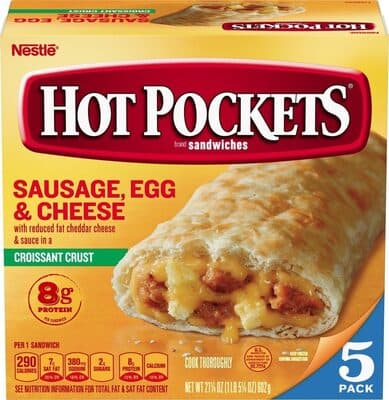
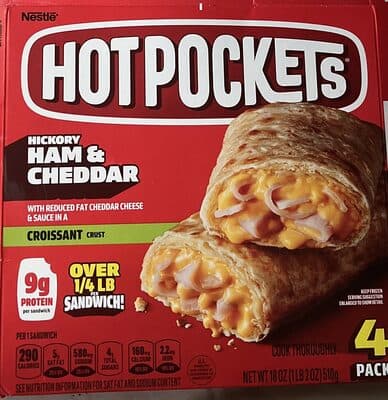
- Coffee creamers and non-dairy whiteners
- Processed meat products and sausages
- Nutritional beverages and protein drinks
- Salad dressings and condiments
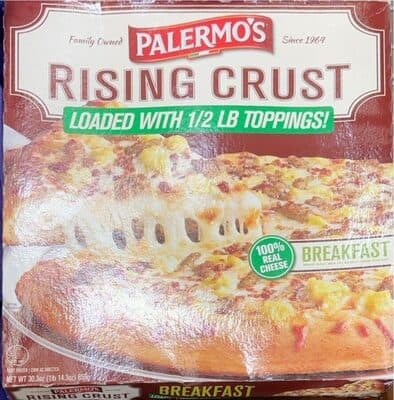
- Puddings, desserts, and baked goods
- Chocolate products
- Pet food formulations
The additive's versatility allows it to function simultaneously as a stabilizer, thickener, and texturizer. In beverages, it prevents oil-water separation and maintains uniform consistency. In meat products, it improves water retention and binding properties. Its ability to control pH makes it valuable in formulations requiring acid adjustment, and its nutritional protein content adds functional value to fortified foods.
Safety Assessment
Sodium caseinate has a well-established safety profile in food applications. The FDA designated it as Generally Recognized As Safe (GRAS) through formal procedures, allowing its use in multiple food categories without quantity restrictions. According to FDA records, there are zero documented adverse events and zero product recalls associated with sodium caseinate, indicating no pattern of safety concerns in commercial use.
The additive is particularly safe for most consumers because it is a direct protein derivative from milk. However, individuals with milk protein allergies must avoid products containing sodium caseinate, as it contains milk proteins despite being processed. The ingredient must be clearly labeled on food packaging for this reason. Lactose-intolerant individuals typically tolerate sodium caseinate well, as the processing removes lactose.
The European Food Safety Authority (EFSA) has also evaluated sodium caseinate and maintains it as an approved additive in EU food regulations. Digestive tolerance is generally excellent, as the protein is broken down by normal stomach acid and proteases, providing bioavailable amino acids.
Regulatory Status
In the United States, sodium caseinate is approved as a GRAS ingredient with no quantity limitations. The FDA permits its use in standardized and non-standardized foods, including dairy and non-dairy products. It appears on the FDA's Generally Recognized As Safe list and is also approved by the USDA for use in meat and poultry products.
International regulatory bodies including Health Canada, Australia's Food Standards Authority, and the EFSA all recognize sodium caseinate as an approved food additive. It is assigned the E number E469 in the European Union classification system. These consistent approvals across major regulatory jurisdictions reflect the long history of safe use and the absence of significant safety concerns.
Key Studies
Sodium caseinate has been the subject of numerous functional studies in food science literature, primarily examining its emulsifying and stabilizing properties rather than safety toxicology. Research demonstrates its effectiveness in oil-water emulsion stabilization and its ability to improve protein network formation in processed foods.
Historical safety evaluations conducted prior to GRAS designation found no adverse effects in animal feeding studies or human consumption patterns. The long history of milk protein consumption, combined with the processing methods that produce sodium caseinate, supports its safety designation. Ongoing regulatory monitoring through adverse event reporting systems continues to show no safety signals.